

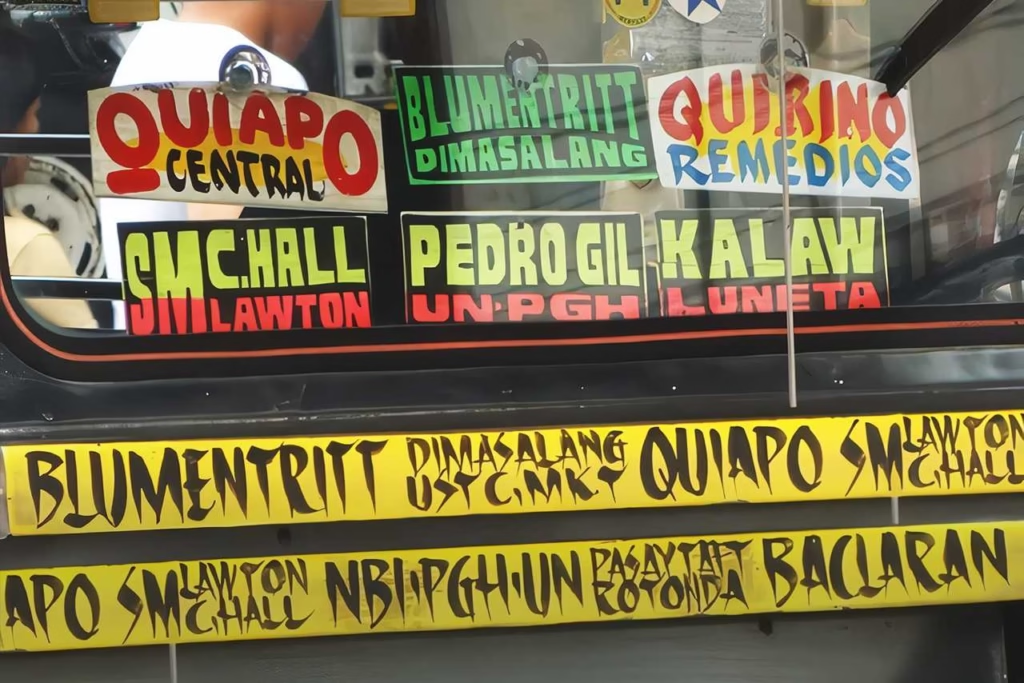
In Manila, commuting is part of everyday life. The streets are often filled with traffic, street vendors, and the loud sound of jeepneys and buses passing by.
Today, people can easily check directions using their phones. But long before digital maps existed, commuters relied on something much simpler the signboards on jeepneys.
These signboards show the route and destination of the vehicle. For many commuters, especially first-timers, they serve as a quick guide to know where a jeepney is headed.
The tradition started after World War II when military jeeps were transformed into public transportation. As Filipinos customized these vehicles, painted signboards became an important part of jeepney culture. Behind every route sign is an artist who carefully paints these boards by hand.
Remaining Heroes Behind the Art
Mang Romart
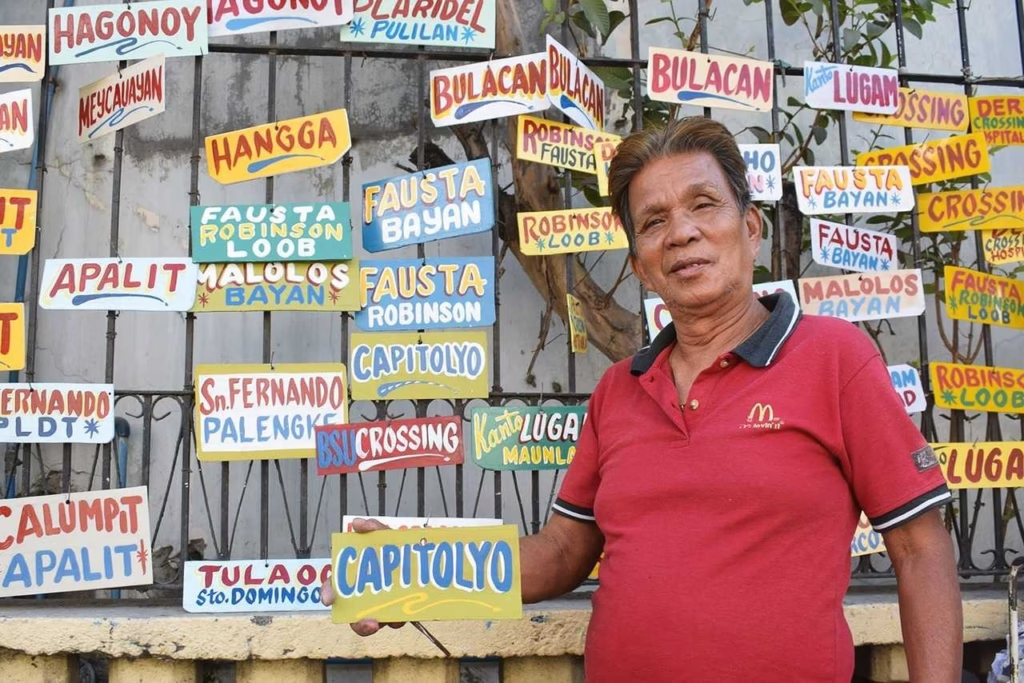
For veteran signboard artist Mang Romart, making a signboard starts with preparing the materials. He smoothens a fiberglass board, sketches the lettering with a pencil, and then paints the route using brushes and enamel paint.
Most of his designs use classic serif or gothic lettering that commuters can easily read from a distance. For Mang Romart, the most important rule is simple: the sign should be clear and easy to understand.
Drivers from Malolos and nearby towns continue to visit his shop to order signboards for their jeepneys.
Edwin Tayao
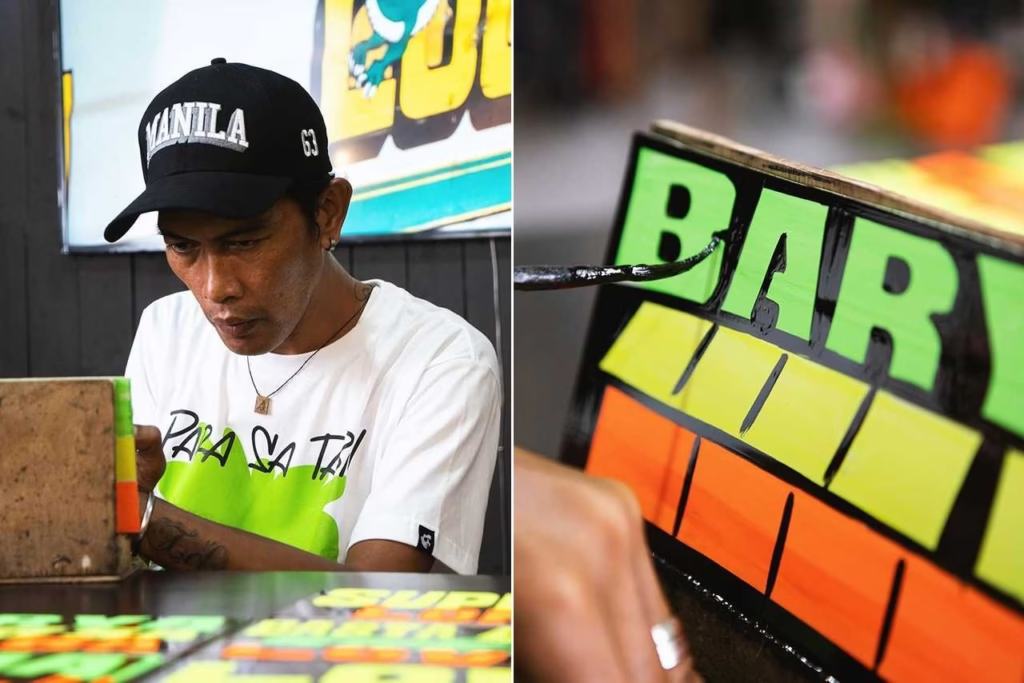
In Tondo, Edwin Tayao is one of the few artists who still paint jeepney signboards by hand. He works on a small table outside his home using simple tools brushes, paint, and precut boards.
His designs often feature bold neon letters and shadows so commuters can quickly read the route of an approaching jeepney. Despite the changes in modern transportation, Tayao continues to practice the craft that has guided commuters for decades.
CUBAO FONT
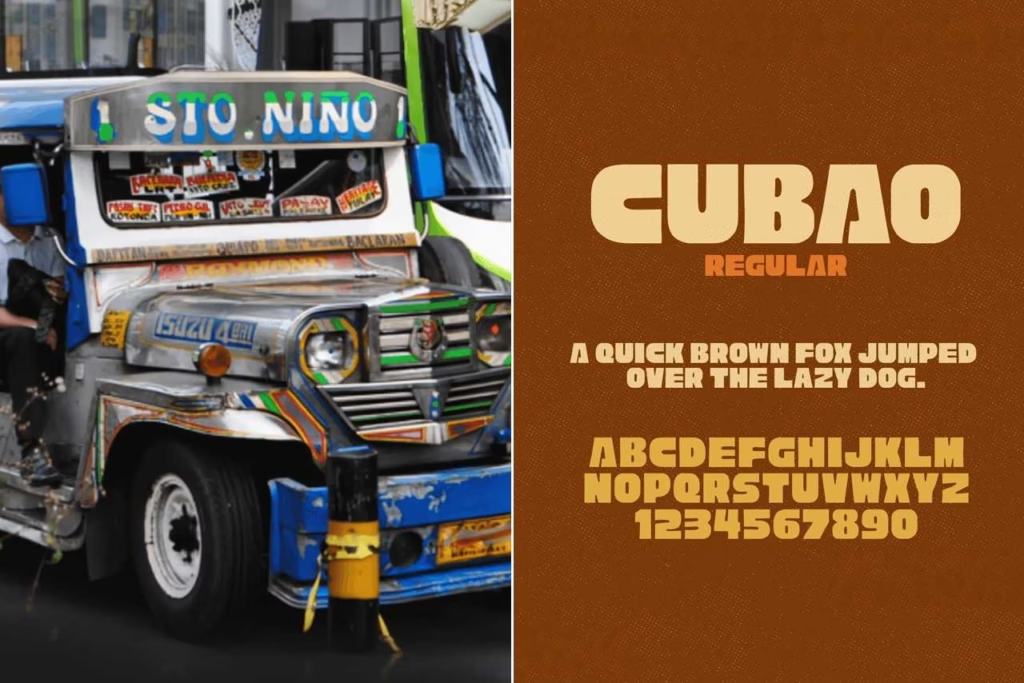
The style of jeepney signboards has also inspired digital design. In 2018, graphic designer Aaron Amar created a typeface called Cubao Free. The font was inspired by the bold lettering commonly seen on jeepney signboards. Through projects like this, the visual style of jeepney typography continues to live on in modern design.
With the rise of modern E-Jeepneys, the future of traditional signboard painting remains uncertain. Yet artists like Mang Romart and Edwin Tayao continue their work with quiet pride. For them, painting these signboards is not simply a job it is a livelihood shaped by years of skill and tradition.
These small boards may only show routes and destinations, but behind them lies a history of craftsmanship that has helped generations of commuters find their way.
Today, their bold lettering and hand-painted style have even inspired younger artists and young generations transforming the look of jeepney signboards into digital fonts, ads, and stickers. As the streets of Manila continue to change, one question remains: will this uniquely Filipino visual language continue to evolve with the next generation, or will it slowly fade with the roads that once carried it?