

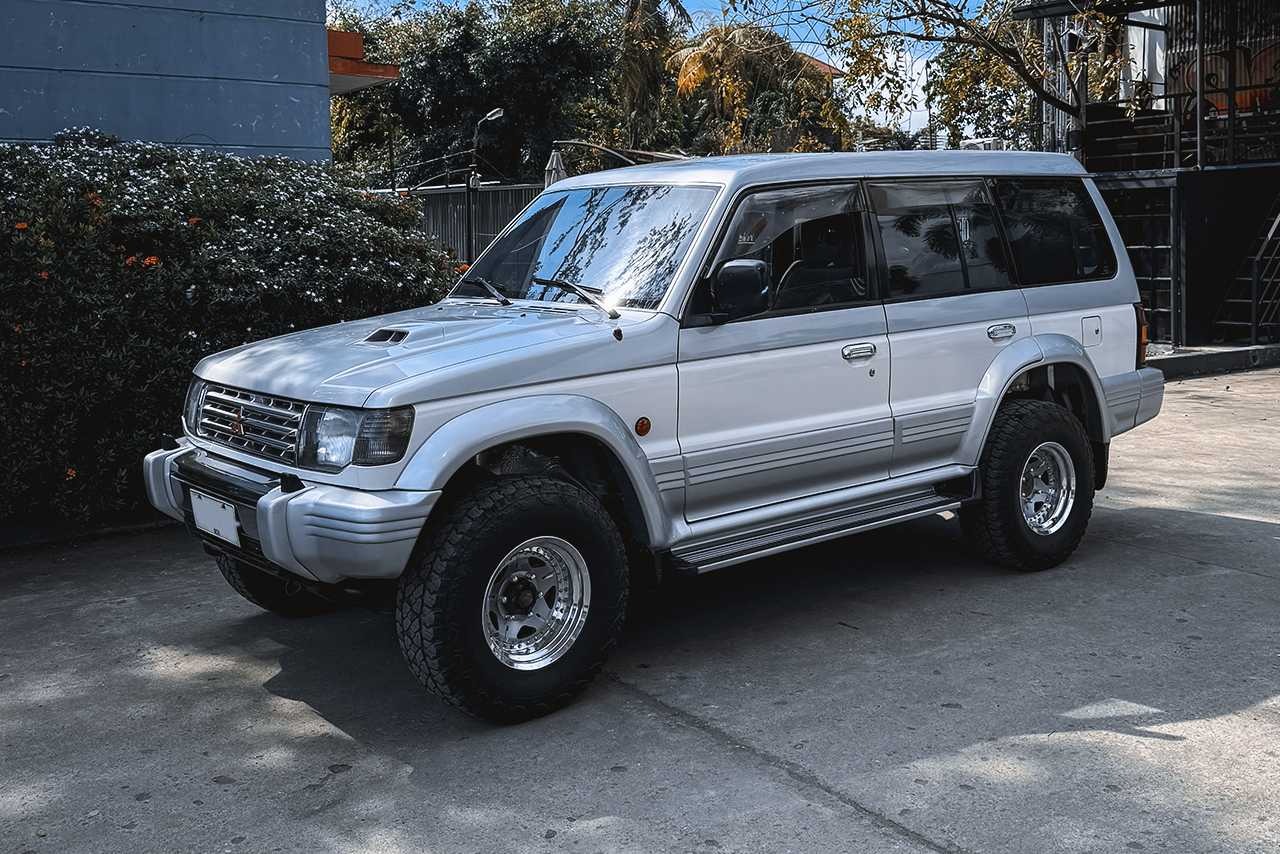
When I was in Baguio from July 23 to 27 2025, the timing couldn’t have been more intense. Typhoon Emong was slamming into Northern Luzon, Kennon Road was impassable due to landslides, forcing us to take Marcos Highway just to reach the city. It was rainy as hell, and the fog was so thick you could barely see the tail lights of the car in front of you.

As I entered the city of Baguio, I noticed something. In Manila, seeing a clean, well-kept 4×4 with overlanding gear is usually a lifestyle statement, a hobbyist’s weekend rig that stands out against a sea of sedans. But in Benguet, it’s normal. The sheer density of Mitsubishi Pajeros and Mitsubishi Delicas on the road is unlike any other part of the country. They weren’t just “present”; they were the majority, effortlessly climbing steep side streets and idling in the rain as if the typhoon were just a minor inconvenience.
Now, the Delica is easily one of my favorite vans of all time, and I’ve wanted one for years. A van that has 4×4 capabilities and can carry your family or be turned into a camper? It was a perfect match for me. But standing there in the middle of a typhoon, I realized my fascination wasn’t just a niche hobby. In the North, you finally see these vehicles being used to their full potential.
The North’s Digital Footprint
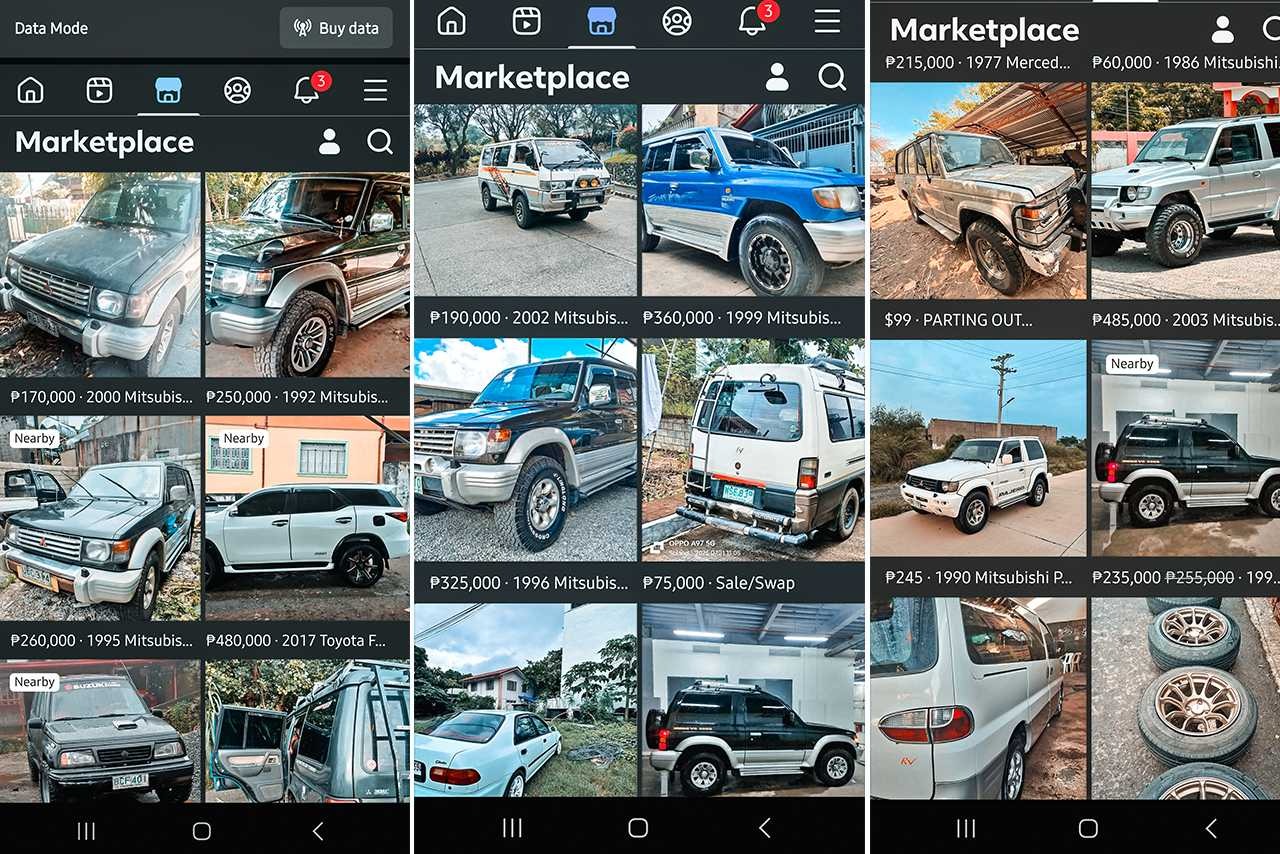
If you spend any time on Facebook Marketplace or any dedicated Buy & Sell groups, you’ll notice a trend. Pajeros pop up just about anywhere–whether it’s a local unit or a grey-import, but during my trip, I noticed that the grey-import units were by far the most common sight.
The Delica, however, is a different story. When I arrived back in Manila, I hardly found any listings for them; It’s only when you search toward Pampanga, Nueva Ecija, Vizcaya, and Benguet that they start appearing in numbers. There’s a reason the center of gravity for these vehicles shifted there. In the lowlands, a 4×4 van is a curiosity; in the North, it’s a necessity. The marketplace proves that these JDM legends haven’t just aged out, they’ve simply moved to where the terrain actually justifies the machine.
The Story Behind the B, R, and X Plates
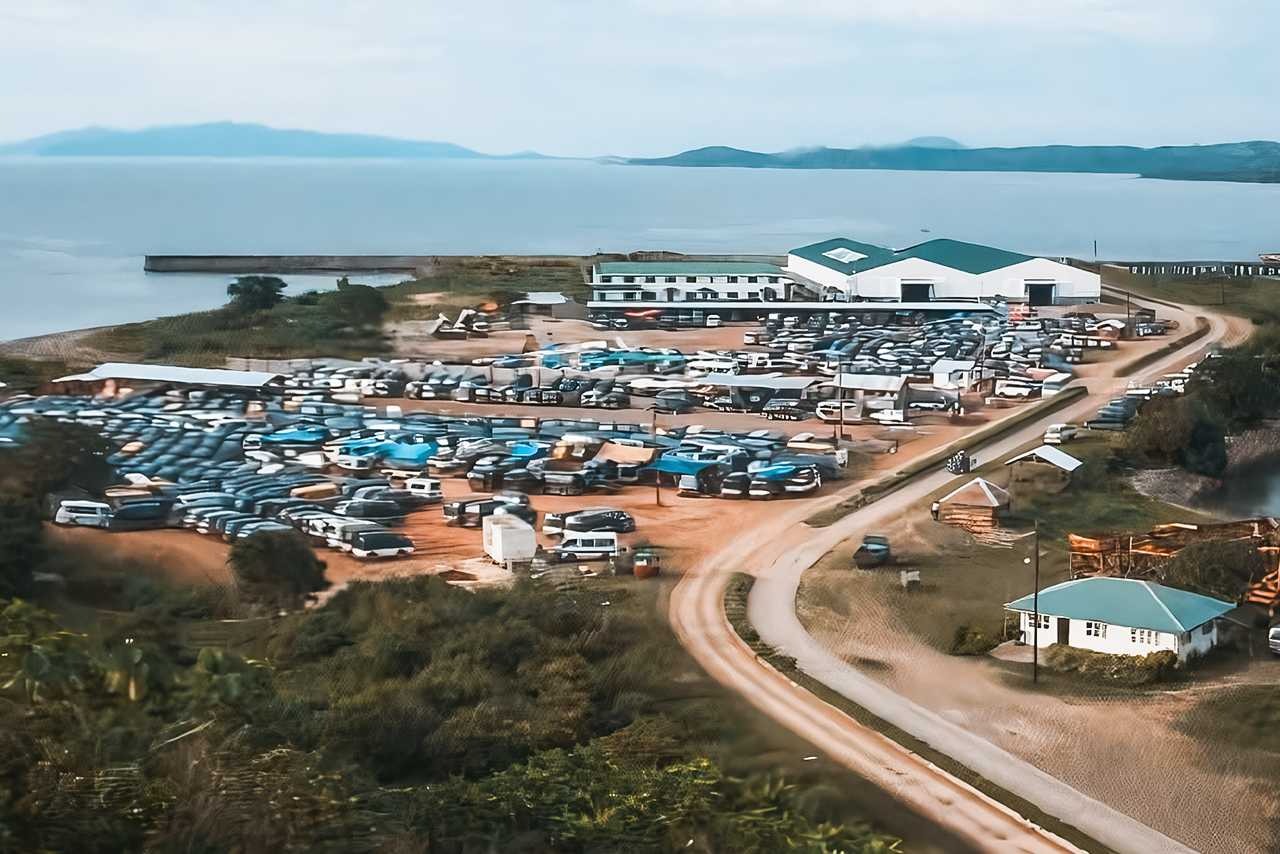
Photo Source: https://www.instagram.com/p/COMtYjHFArM/?img_index=1
I’ve noticed that most, if not the majority of the units I saw shared a common tell: the “B”, “R”, or “X” plate. These are classic cases of JDM (Japan Domestic Market) imports.
In the early 2000s, the ports of Subic and Irene in Cagayan were the primary entry point for these Japanese and Euro-spec vehicles. These ports operated as special economic zones, allowing importers to bring in vehicles with significantly lower taxes and duties. This regulatory advantage made them the epicenter of the Philippine grey market.
And that’s essentially how we got our JDM Delicas and Pajeros.
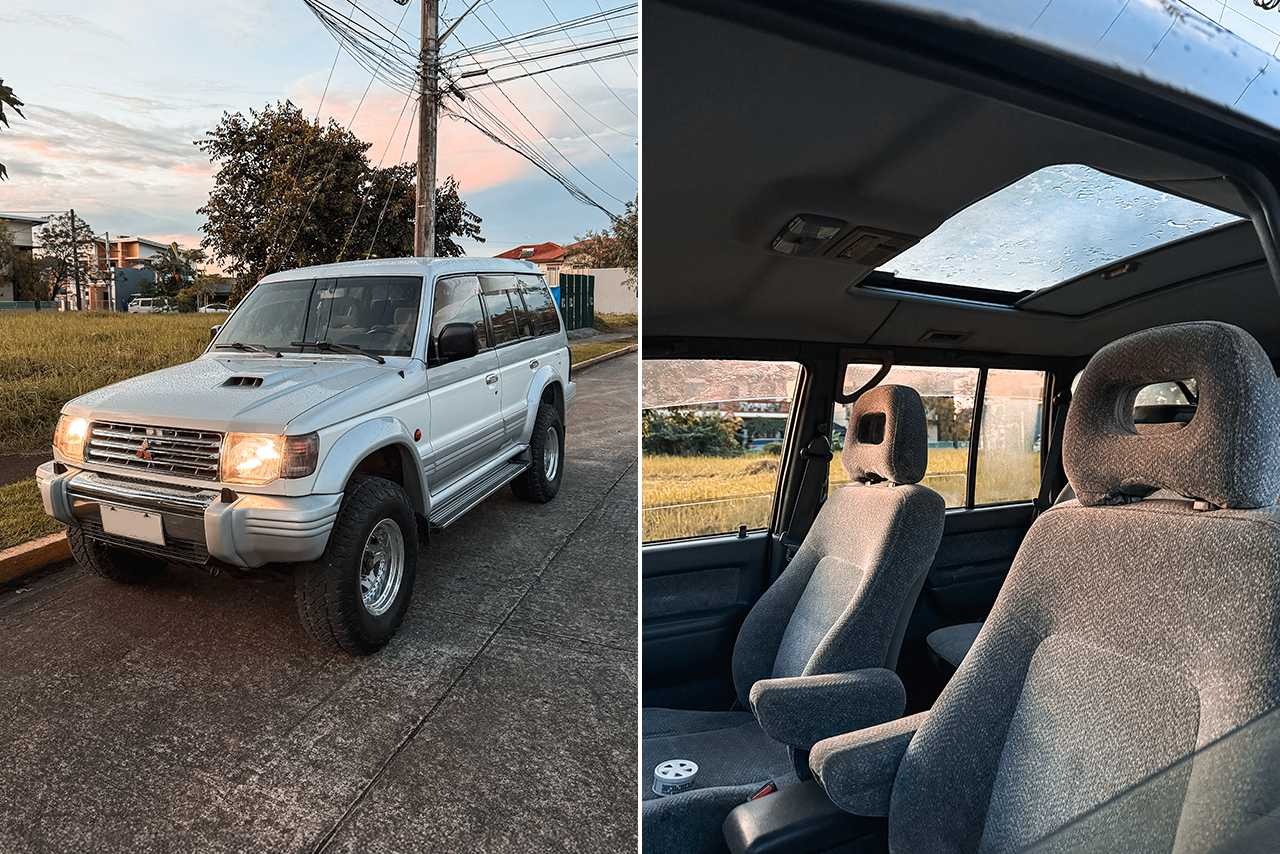
Photos By: Gavin Yu
For the Pajero, it was a value play: these grey-import units were significantly cheaper than the local versions, yet they often came with better features like the Exceed trim or the short-wheelbase versions that were rare in the Philippine market.
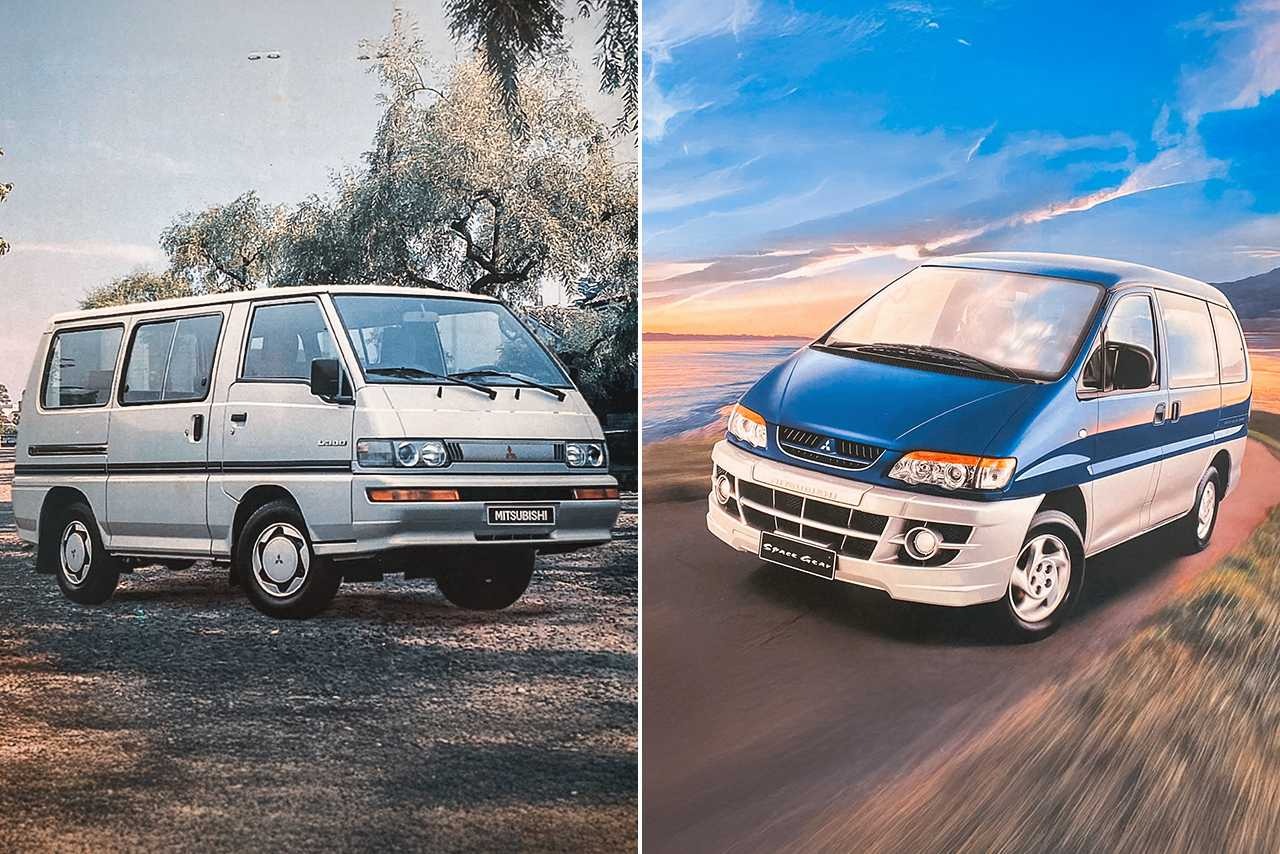
Photos Source: (Left) https://www.facebook.com/share/p/1CX4JvrotC/ (Right) https://www.facebook.com/share/16PxmimiV9/
The Delica, however, was a different story because we never actually got the 4×4 version locally. Mitsubishi Philippines gave us the L300 Exceed and the Space Gear, but it was strictly a 2WD van. If you wanted the high-riding, 4WD version, the grey market wasn’t just the cheaper option, it was the only option.
But that lower entry price came with a known compromise. The conversions were, most of the time, pretty questionable. Since these were originally right-hand drive (RHD) units, they’d convert it to left-hand drive to make them legal. You were technically taking a gamble whether the job was done right. It wasn’t uncommon to deal with misaligned steering racks, a dashboard that’s cut in half and rejoined together, and maybe even wiring that looked more like a DIY project.
Yet despite the conversions, people bought them anyway. Why?
Because they offered something the local market simply couldn’t: serious capability at a much lower price.
Grey-market Pajeros gave buyers access to a proper body-on-frame SUV with a diesel engine and four-wheel drive capabilities that were once difficult to justify or afford through traditional dealerships. What was previously seen as a high-end SUV became something families and business owners could realistically own and use.
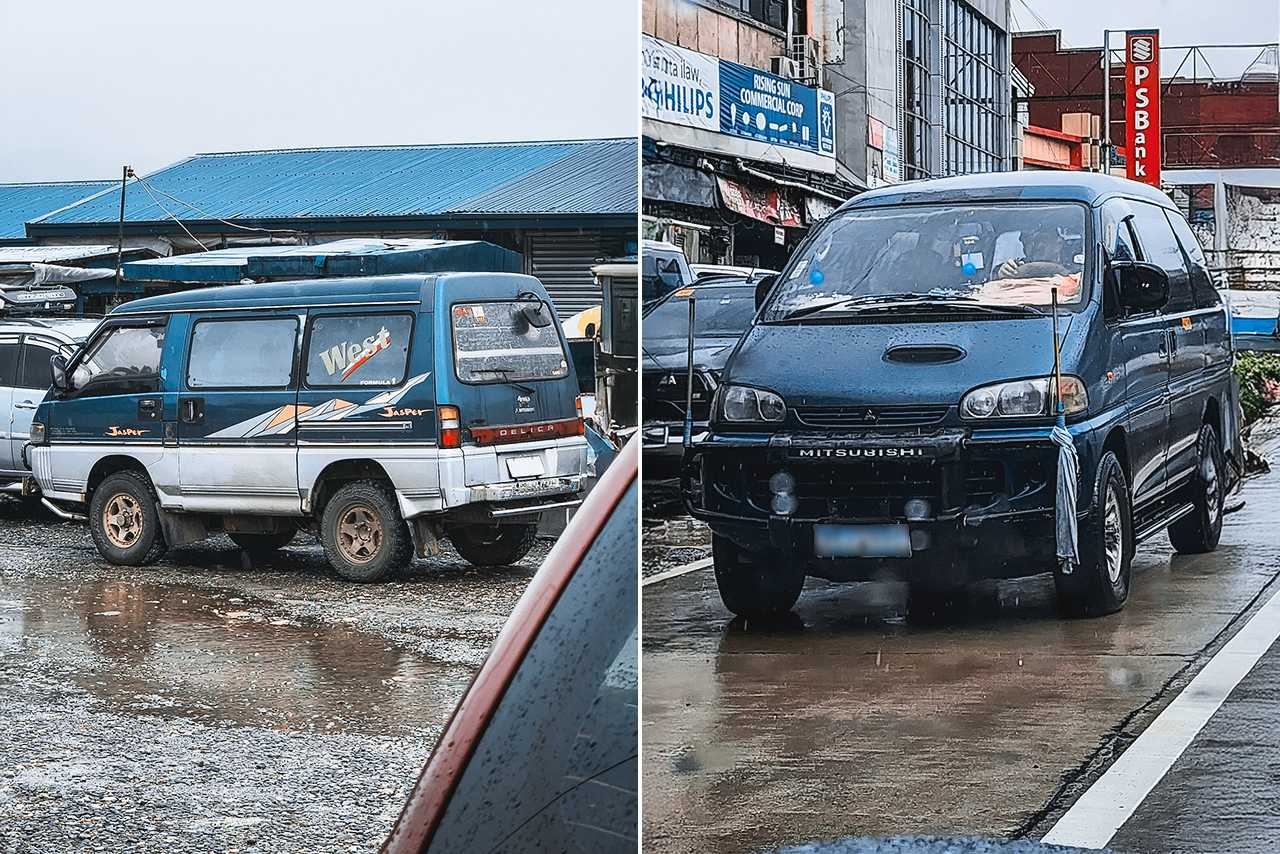
The Delica made an even stronger case. There was no local 4WD equivalent. If you needed a vehicle that could carry passengers, climb muddy farm roads, and survive daily use in mountainous terrain, the Delica stood alone. It offered a rare kind of versatility, the ability to transport your family comfortably, then haul vegetables, supplies, or equipment when needed.
Engines like the 4D56T and the 4M40 also played a major role in their long-term adoption. These engines were already common in the Philippines, which meant parts were easy to source and mechanics were already familiar with maintaining them. Their reputation for reliability made them especially suited for regions where vehicles had to perform consistently, regardless of terrain or weather.
In places like Benguet, Nueva Vizcaya, and across the Cordilleras, vehicles aren’t judged by badge or prestige. They’re judged by whether they start every morning, climb every hill, and carry whatever needs carrying.
The Pajero and the Delica proved that they could.
Where Full Potential Meets the Pavement
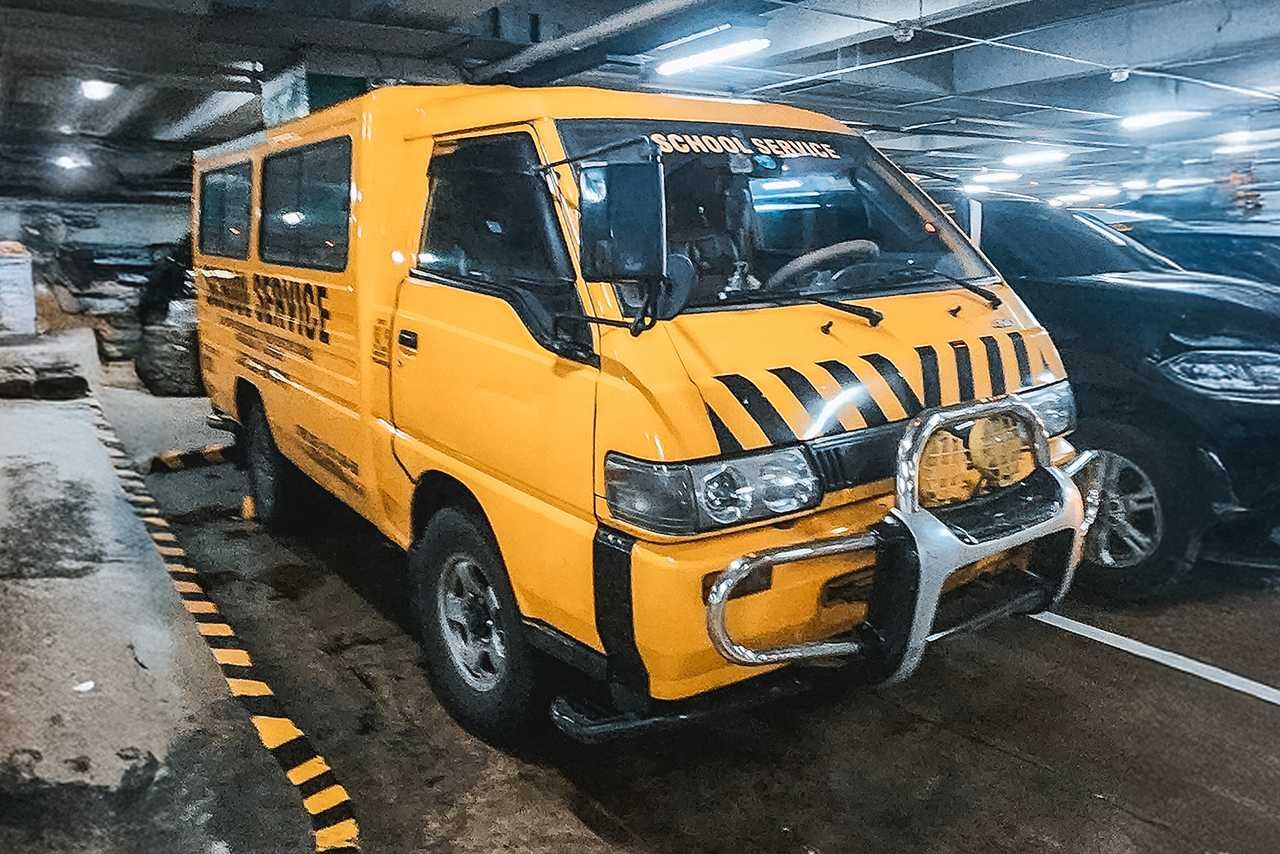
In the North, these rigs have been given a “second life” that I just don’t see in Manila.
During my stay, I remember taking shelter inside SM Baguio as the typhoon intensified. In the parking lot, I saw a Delica converted into a school bus. It had the familiar Delica front cab, but the rear had an L300 FB-style passenger body. I really thought that “Wow, they really do use these for everything.”
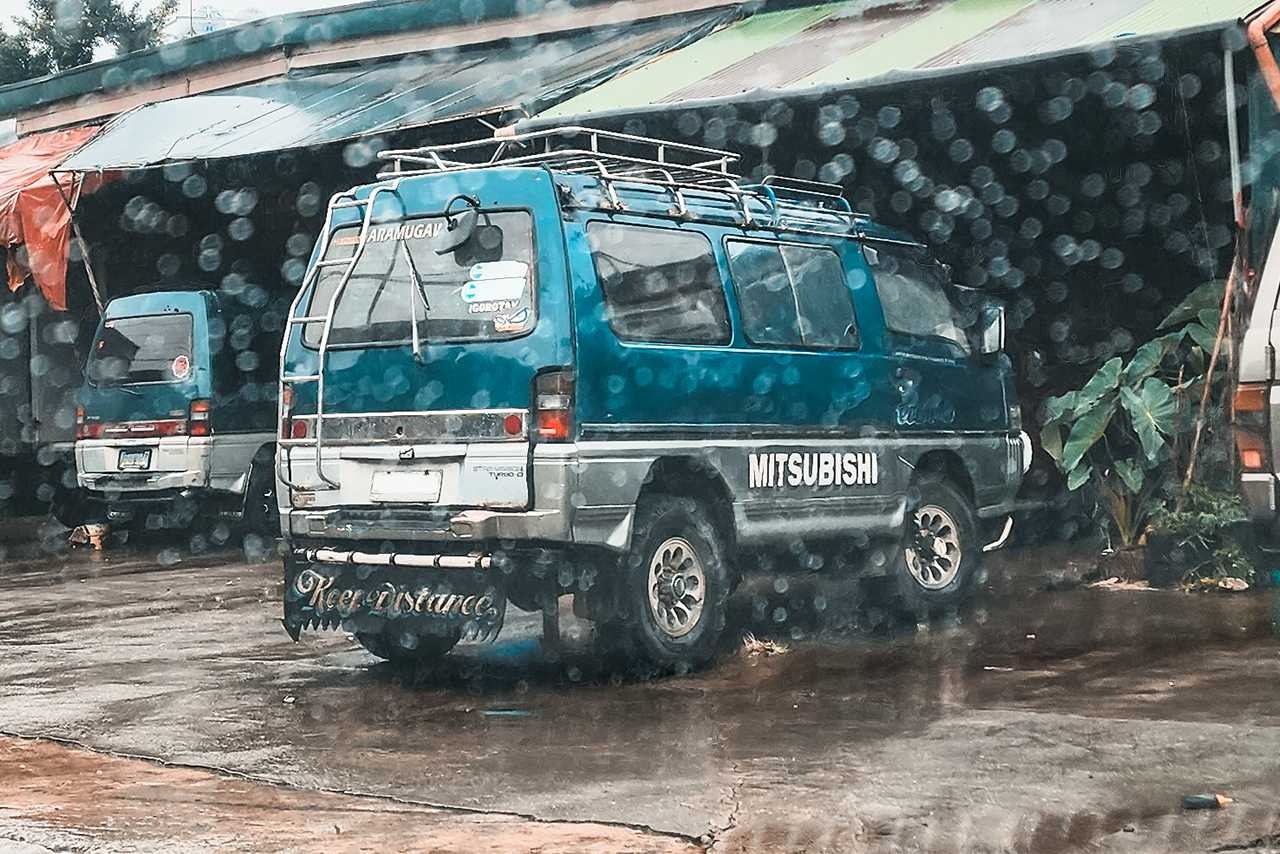
The rest embrace the very thing the vehicle was named for. Delica is short for “Delivery Car,” and in the highlands, people use them exactly as intended. Some have their rear seats stripped out completely, repurposed into cargo haulers transporting produce and supplies from farms in the North.
Their popularity in the North wasn’t accidental. They arrived at the right time, at the right price, and with the exact capabilities the terrain demanded. What began as grey-market alternatives eventually became trusted workhorses.
In Manila, they might be seen as enthusiast vehicles or lifestyle rigs. But in the North, they became something far more important: the most practical solution.
They weren’t popular because they were trendy. They were popular because they worked.