


- Simple tips that can save both your peace of mind and your wallet before buying a car.
- A friendly guide on what to look out for and what to prepare so you can buy with confidence.
- Just because it’s shiny and cheap doesn’t mean it’s worth keeping — sometimes thinking smarter is what keeps you out of trouble.
If you’ve ever wondered what you should be looking out for before buying a car, trust me — you’re not the only one. We’ve all been there: excited, hopeful, and sometimes a little impulsive. Whether it’s your first ride, an extra car for the family, or you just want something more practical, it’s easy to get carried away by shiny paint, clean rims, and a smooth test drive.
But here’s the truth, your future self will be thankful for:
Buying a car isn’t just about choosing something you like; it’s about avoiding the hidden headaches you don’t see right away.
So here’s a simple, no-BS guide to help you spot red flags, ask the right questions, and buy with confidence. No heavy car terms, no intimidating jargon — just real-world tips you can actually use.
1. Paperwork First, Feelings Later
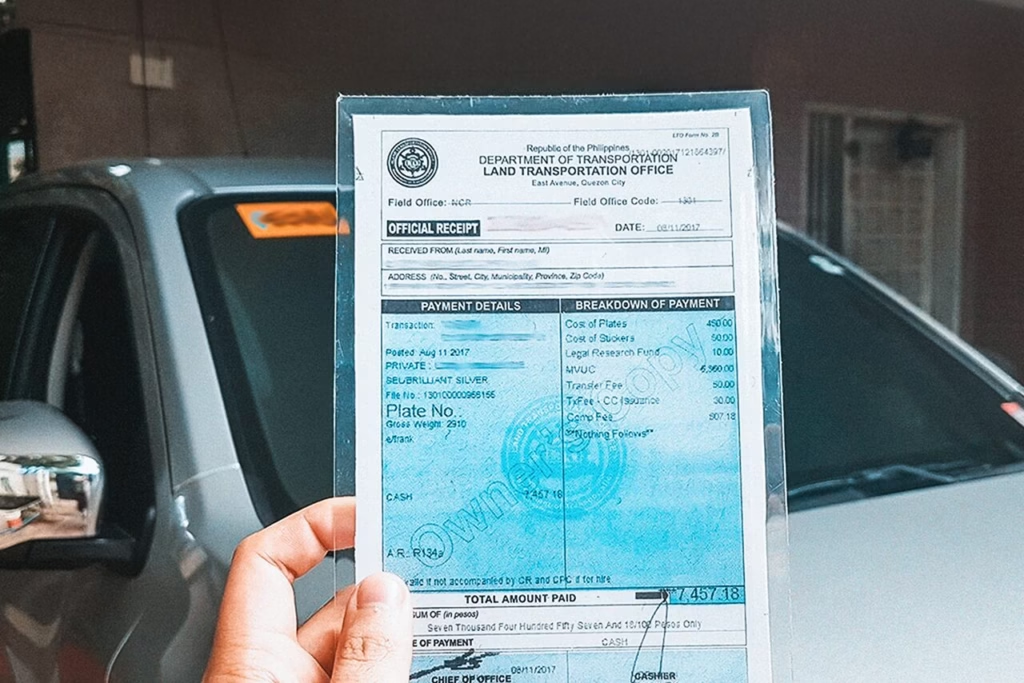
It’s tempting to focus on how the car looks and drives, but the paperwork should always come first. Make sure the car has complete documents like the original OR/CR and a valid deed of sale, check that it’s currently registered and note the registration expiry, and confirm that the seller is the registered owner rather than selling through an open deed of sale.
Inspect the engine number, chassis number, and color to ensure they match the documents, and verify that the car isn’t encumbered by outstanding loans. These steps may seem tedious compared to checking the rims or taking photos, but most second-hand car problems start with paperwork—skipping them can lead to delays, extra costs, or even legal trouble.
2. Know Who You’re Buying From

Find out if the seller is a buy-and-sell dealer or the actual owner of the car. Both can be okay, but talking to someone who personally used the car often gives you better insight into how it was driven, maintained, and taken care of—not just how much it’s worth.
3. Mileage Doesn’t Lie… Unless Someone Changed It
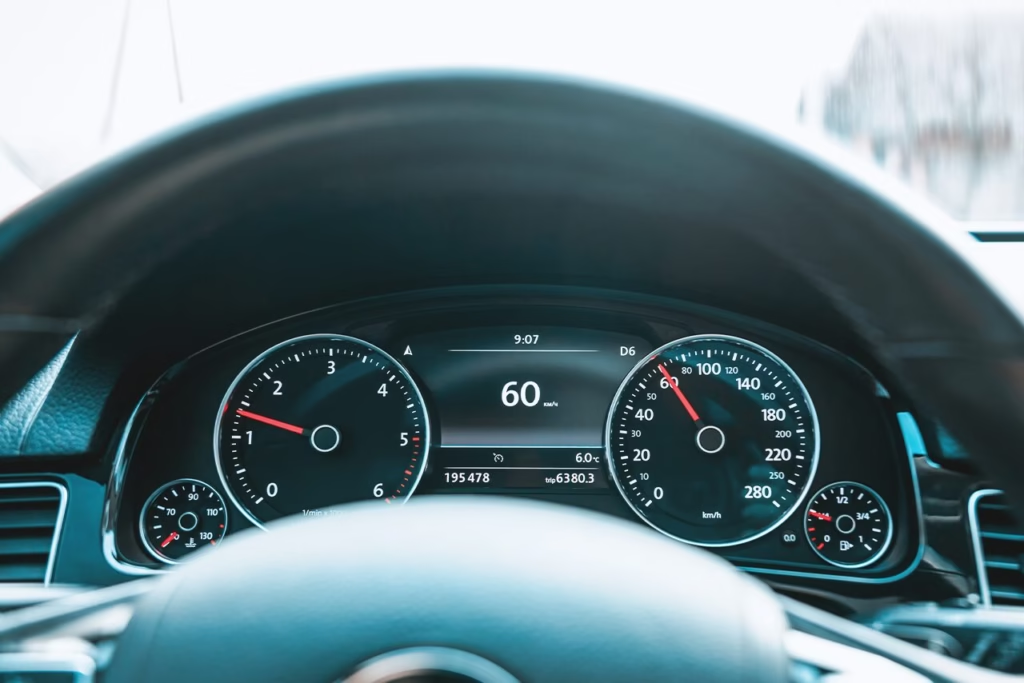
Low mileage can be attractive, but only if it’s real. If the numbers don’t match the car’s overall condition, trust your instincts. To be sure, you can plug in an OBD2 scanner to check the car’s actual mileage and data. If something feels off, it probably is.
4. Test Drive Like You Mean It

Don’t settle for a short, gentle drive. Drive the car the way you normally would—accelerate properly, brake firmly when safe, and listen closely for rattles or kalampag. Turn off the music, feel how it shifts and handles, and ask how often the car was maintained and where it was serviced.
5. Have a Budget Beyond the Car Itself

Don’t spend your entire budget on the purchase price alone. Second-hand cars will eventually need maintenance, replacements, or small repairs. Setting aside extra funds isn’t being paranoid—it’s being practical.
6. Make a Checklist
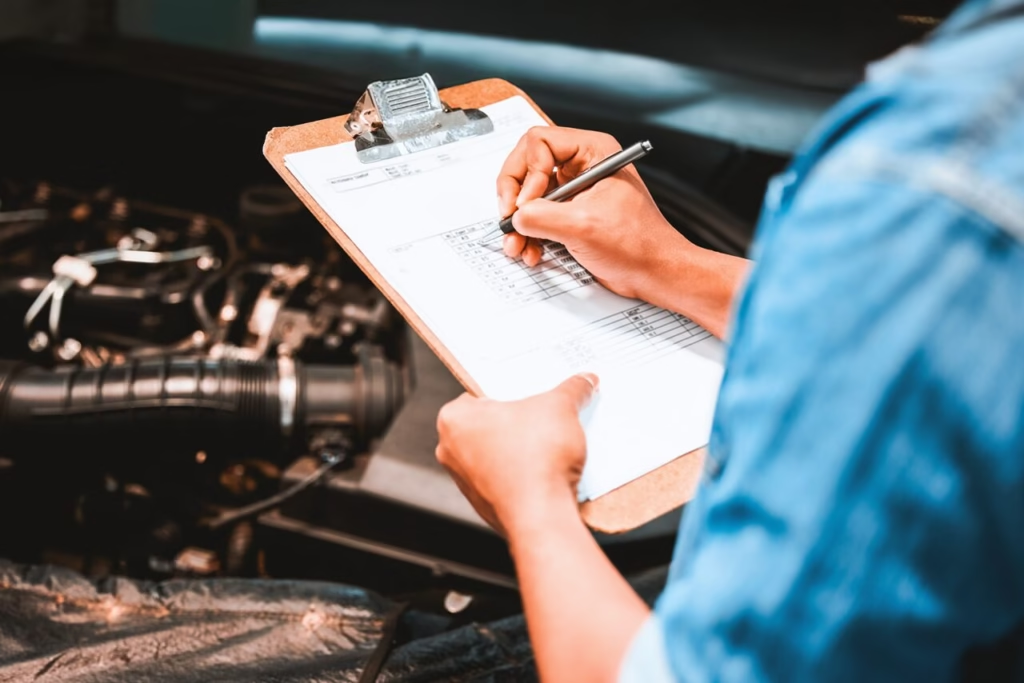
Take the time to inspect the car properly. Check if all lights are working, if there are no warning lights on the dashboard, if the tires are in good condition and not expired, and if there are no leaks underneath. Inspect fluid levels—especially oil, brake fluid, and coolant—and listen for suspension issues. Using a simple checklist helps you stay objective and avoid missing important details
Don’t let excitement drive your decisions. It is easy to see a shiny new car and immediately picture road trips, playlists, and endless adventures, but a car can be either an asset or a liability. Take a step back, think it over, and sleep on it before making a move.
If it is truly meant to be, it will still be there tomorrow. And if it is not, you have just saved yourself from an expensive mistake and the regret that comes with it.