

There’s no denying that the Honda Civic, no matter what generation, is a go-to choice for many Filipino car enthusiasts. It’s a proven platform that’s loved by many and for good reason. Between the massive aftermarket support and sheer number of them on the road, it’s a safe and reliable entry point into car culture. Same goes with the Toyota Corollas such as the Small body, Big Body, and the Lovelife. These are the legends of the local scene, known for being indestructible, abundance of parts, and easy to tune.
If you’re looking to start a project but want something you’d stand out in, you don’t have to venture into “rare car” territory just to be different.
The secret? Look for the cars that the crowd often overlooks. These models might not be the first ones mentioned at a car meet, but parts are still incredibly abundant. Whether you need bushings, a clutch cable, or some other part, you can walk into almost any local auto supply and find exactly what you need on the shelf. Even better, because these cars have such solid fanbases locally and abroad, aftermarket parts may also be found.
If you’re looking into building something that’s a bit different, here are some alternatives that I believe deserve a second look.
Toyota Vios, Yaris, Echo
Photos Source:(Left)https://content.toyota.com.ph/uploads/vehicles/4/001_4_1749531782587_000.pdf (Middle) https://www.caranddriver.com/reviews/a15146293/2008-toyota-yaris-review/ (Right) Vince Benedicto
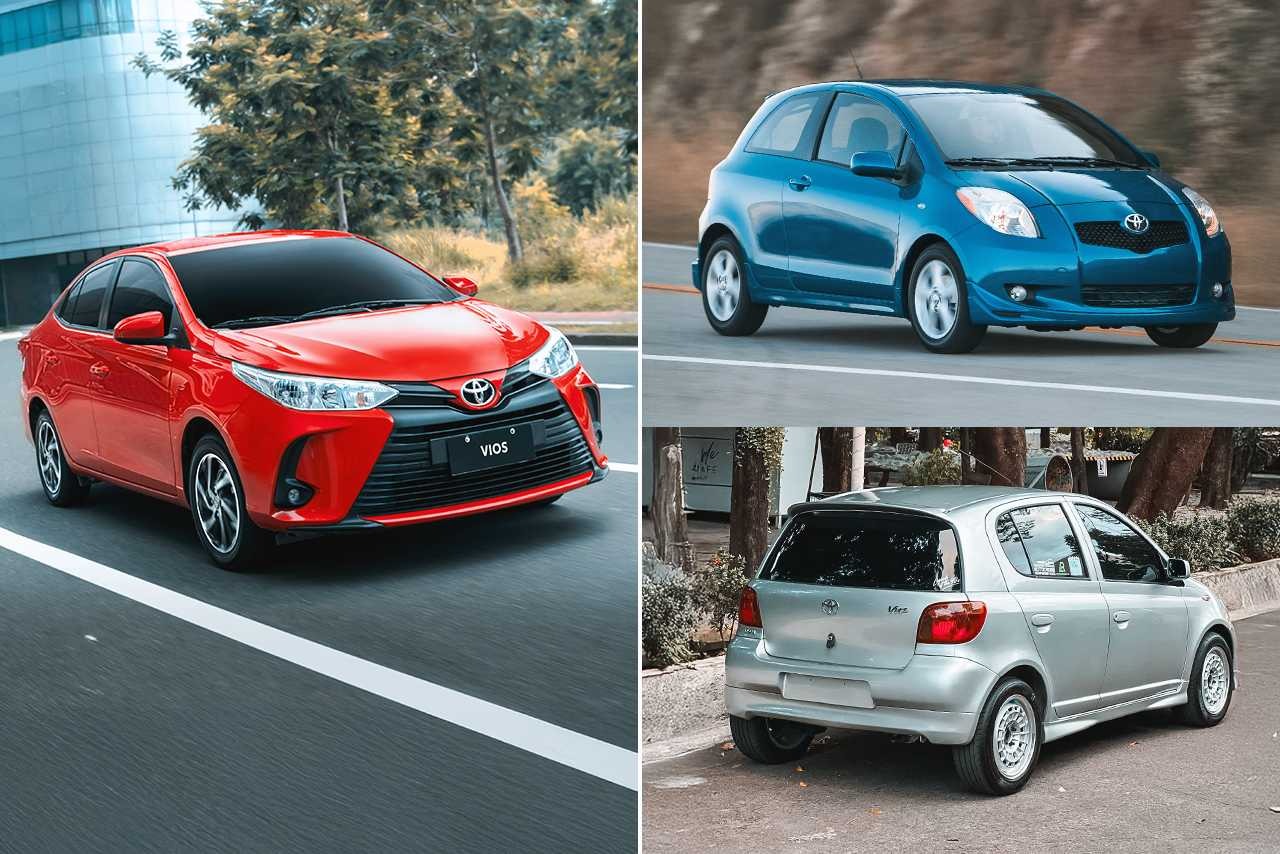
Yes, I know– the Toyota Vios is arguably the most common car on our roads. Because it’s the default choice for Taxis and regular commuters, it’s often the target of “commuter car” memes and general elitism from the car community. But don’t let the stigma fool you, there’s a very good reason why the Vios Cup exists; the chassis is light, the mechanicals are bulletproof, and it can take a beating on the track all day and still drive you home in time for dinner.
The Yaris (or the older Echo) also gives you that same peace of mind in a fun, compact hatchback body. Locally, the Vios and Echo gave us the choice between the 1.3L (2NZ-FE) and the 1.5L (1NZ-FE), the Yaris was only released with the 1.5L engine. Since these cars share nearly the same mechanical DNA, you are looking at the most available parts in the Philippines. Every auto supply, including Lazada or Shopee has everything from water pumps to suspension bushings in stock. Beyond just maintenance, the aftermarket scene is huge in Southeast Asia.
When hunting for a Vios, you generally want to avoid ex-taxi units. These cars have lived a hard life, often racking up 400,000 to 500,000 kilometers with minimal preventive maintenance. Unless you don’t mind a complete beater or you’re looking for a cheap shell specifically for a race-only build, stick to private units. If you are building a track car, an ex-taxi can actually be a smart move since you’ll likely be stripping the interior and fixing some stuff here and there anyway. But for a street project, a fresh private-owner unit is worth the extra premium. You can usually find these ranging from ₱180,000 to ₱500,000 depending on the year and generation.
Toyota Corolla Altis 9th and 10th Gen
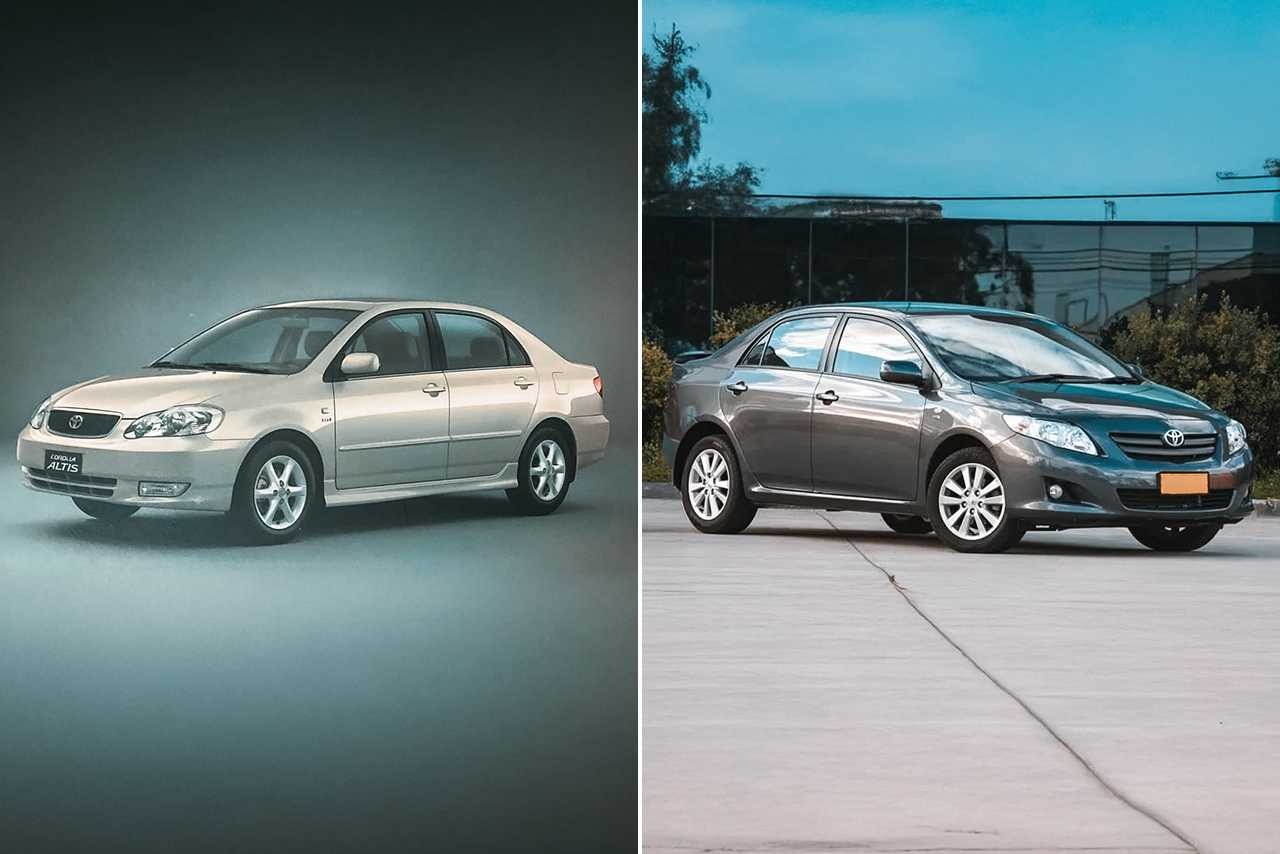
Photo Source: (Left) https://www.facebook.com/share/p/14WD5sqEjK2/ (Right)https://www.drive.com.au/reviews/2009-corolla-conquest-sedan-road-test-review/
I’ll admit, I have a soft spot for these Corollas because I grew up with them. While most Corolla fans flock to the Small Body, Big Body, and Lovelife, the “Gen 9” and early “Gen 10” Altis often get overlooked as just “Tito cars.” But if you wanted a project that’s a bit more modern, then these generations are a gold mine.
I’m specifically looking at the 1.8V trim before the 2011 facelift. The engine in the 1.8V variants is the 1ZZ-FE, the same engine found in the MR-S Spyder, Celica, RAV4, and even the Lotus Elise. Aftermarket support may be difficult, but when it comes to maintenance, your local auto supply should have parts for it.
While the 1.8V is the obvious choice, the 1.6L 3ZZ-FE is also worth a mention as a solid entry point. The heads of the 1ZZ, 3ZZ, and even the 4ZZ are interchangeable, giving you a lot of flexibility for repairs or possibly tuning.
One of the biggest perks of the 1.8V is that it comes with disc brakes on all four wheels. It’s also important to note though that the 1.8 was only available with an automatic transmission. It also helps to be picky with the unit you buy; many owners suggest avoiding high-mileage units as the ZZ engines from this era tend to burn oil. Units go around ₱150,000 and ₱350,000.
Mitsubishi Lancer Cedia
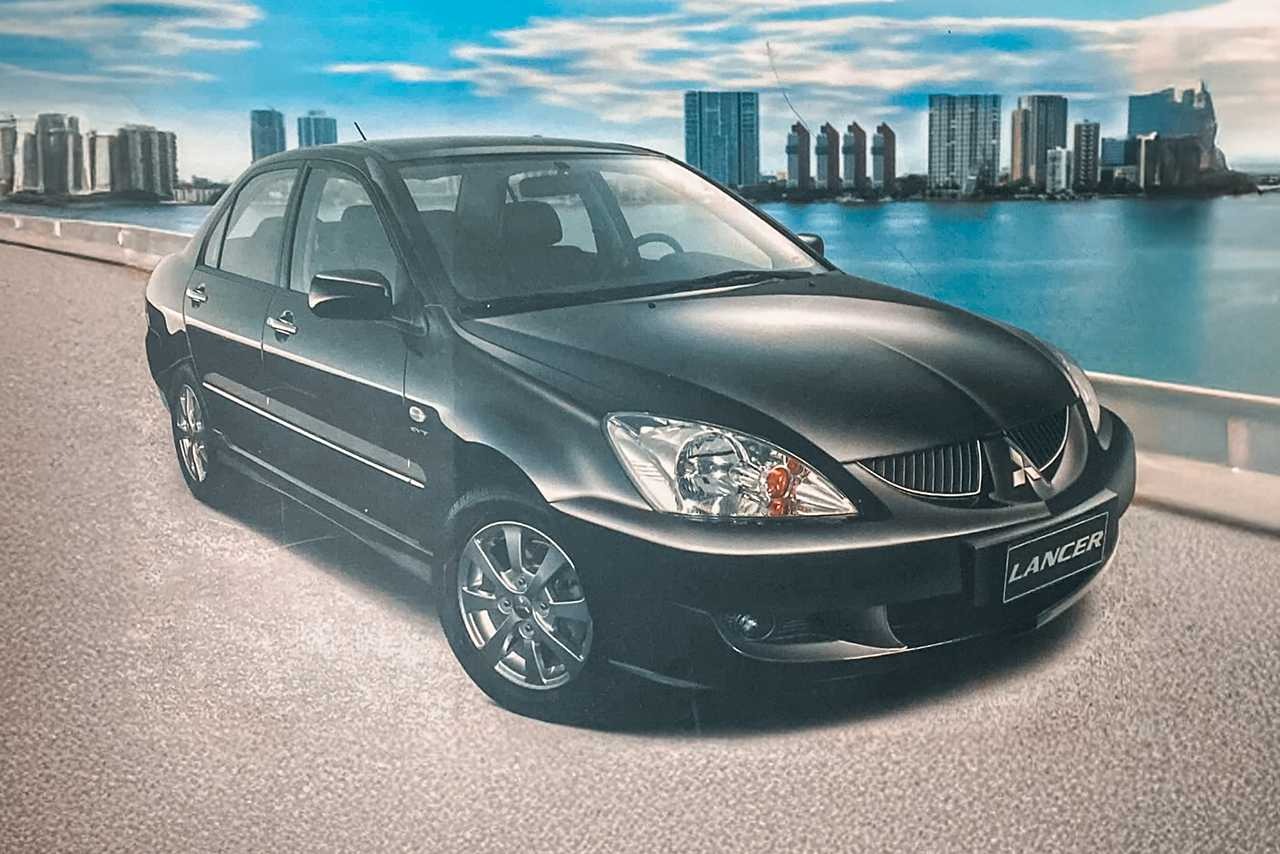
Photo Source: https://www.facebook.com/share/1E8dXqPuWX/
While most people go for the Lancer “Pizza” and “Itlog”, the Lancer Cedia is a solid choice if you want something more modern. From its production run from 2003 to 2012, it served as a reliable staple on our roads.
The GLX and GLS trims are the most common, powered by the 1.6L 4G18 SOHC engine. There’s also the MX variant that steps it up with the 1.8L 4G93 SOHC. These engines are known for being straightforward, easy to fix, and reliable. Parts for these cars are still very easy to source. Any auto supply specifically tailored towards Mitsubishi vehicles such as Bestcolt in Banawe, Quezon City or Parts Square along Sucat, will almost certainly have what you need, be it replacement or original parts.
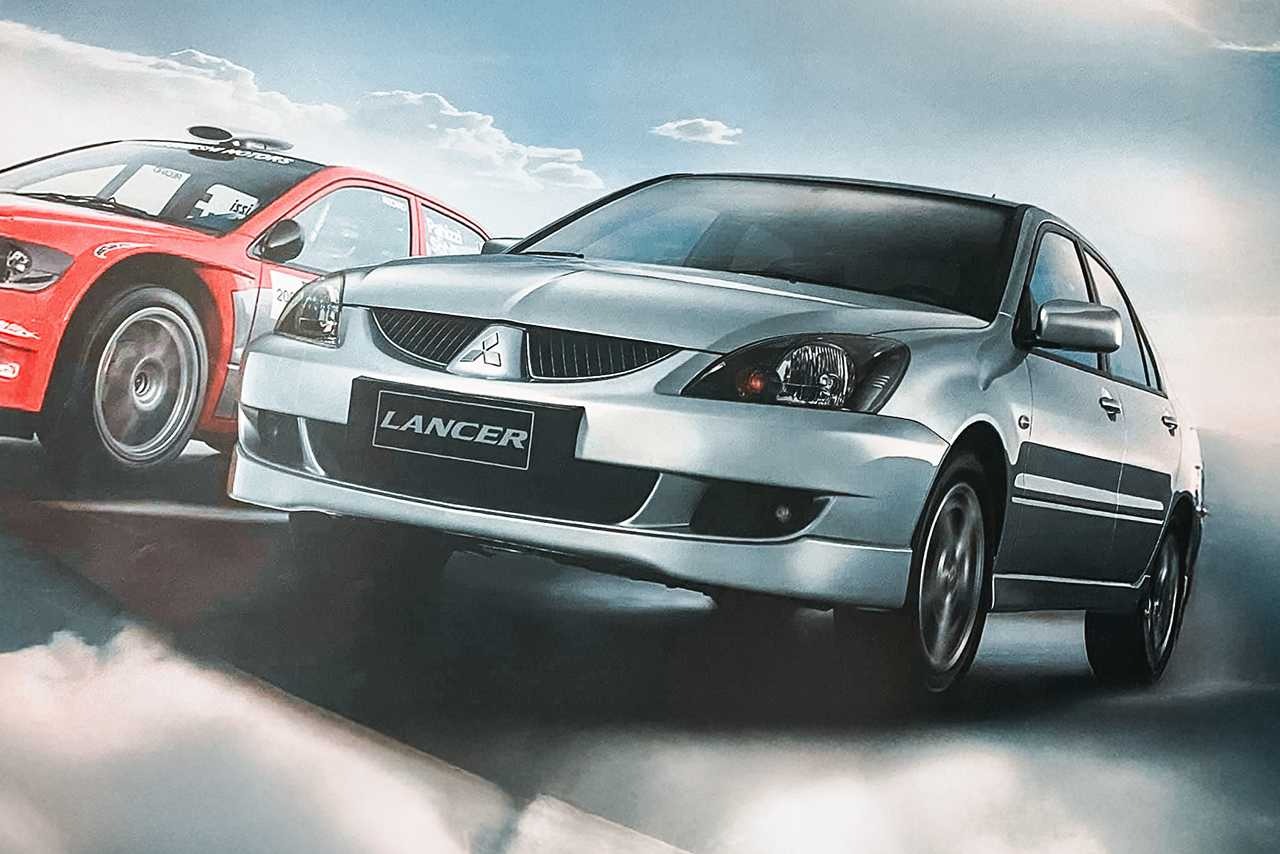
Photo Source: https://www.facebook.com/share/187RTnQJBw/
For those looking for the ultimate Cedia project, the “Baby Evo” nickname is reserved for the GT version which was released around 2006. It earned this title because it came factory-equipped with the iconic 4G63, though naturally aspirated(NA) and paired with a 4-Speed INVECS-II Automatic Transmission. Still, it uses the same legendary iron-block as the Evo. And since the 4G63 has such a massive following, you can find plenty of performance parts for it. The GT also specifically comes with a bolder bodykit, a MOMO steering wheel that is the same with the Evolution 9, and semi-bucket seats. But that’s if you find one.
You can also still find JDM body panels for the Cedia as well as original Ralliart pieces–from exterior pieces to the Recaro seats.Prices for these usually range from ₱130,000 to ₱200,000, making it one of the most affordable ways to get into a platform with genuine soul.
Mazda 323 Familia / Ford Lynx
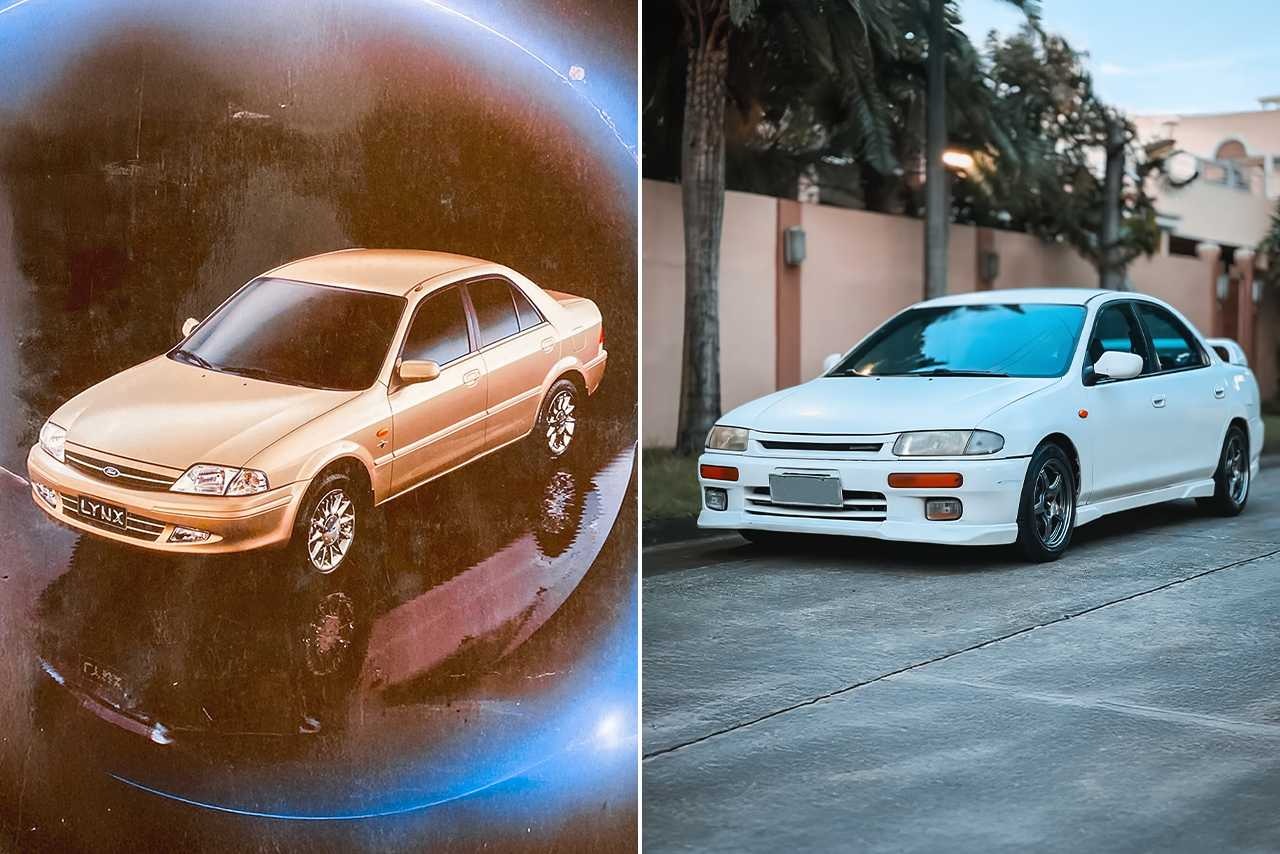
Photo Source: (Left) https://www.facebook.com/share/18CTdDWyMb/ (Right) https://www.facebook.com/share/18RpYwkVKk/
If you’re looking for the best handling-to-price ratio in the used market, this is it. Most people don’t realize that the Mazda 323 Familia (also known as “Rayban”) and the Ford Lynx are essentially the same car. Born from the Ford-Mazda partnership, they share the same platform, suspension geometry, and mechanical components. That means any parts or consumables like brake pads, air filters, and the radiator are easily replaceable by Mazda or Ford parts, making them easy to maintain once you know where to look.
However, people do say to avoid the automatic transmissions, as the 4-speed autos are known to be fragile. To get the real experience, find one that’s a manual. Specifically look for one that has the 1.6L ZM-DE engine. These are the most common, the easiest to find parts for, and offer a great balance of peppiness and fuel efficiency. When paired with the 5-speed manual, these are easily some of the most engaging FWD cars you can drive from this generation.
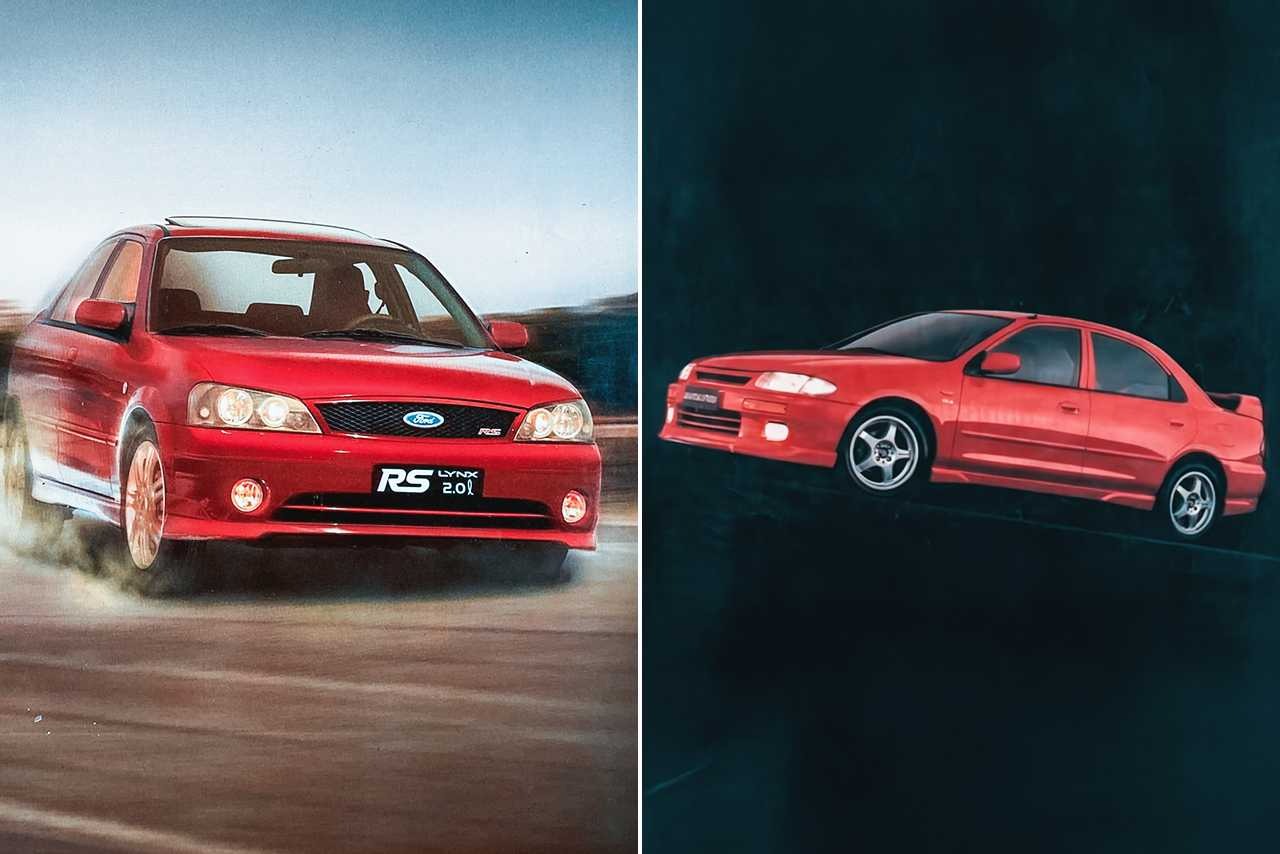
Photo Source (Left) https://www.facebook.com/share/p/1GSLdYTHDz/ (Right) https://www.gtplanet.net/forum/threads/gt6-car-track-wishlist-dont-post-a-picture-of-every-request.260292/page-144
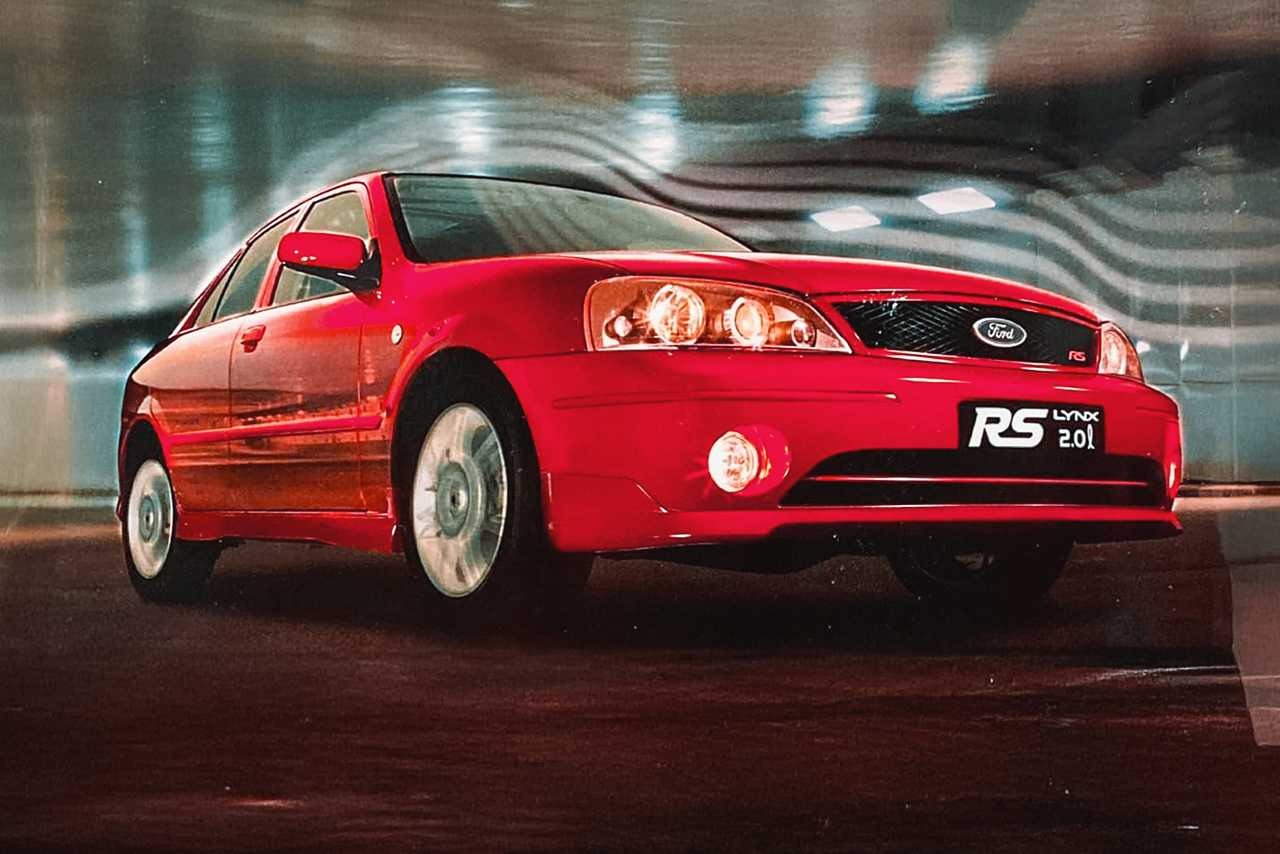
While everyone was chasing the Civic SiR back in the day, the Ford Lynx RS with its 2.0L FS-DE engine was the sophisticated alternative. There’s also the Mazdaspeed 323, which was sold for a limited time. Unlike the 2.0L Lynx RS, it still featured the reliable 1.6L engine but came factory-equipped with Mazdaspeed goodies like a full body kit, a MOMO steering wheel, and specialized interior trim.
Parts aren’t as common as Toyota or Mitsubishi parts,but they’re still very much out there. Auto supplies that cater to Mazda and Ford like Mazford Parts are your best friend for keeping these cars on the road. If you want a car that offers great handling capabilities and a refined driving experience for the price, the Lynx and the 323 Familia are hard to beat. Prices for these cars usually go for ₱50,000 to ₱200,000 depending on the condition.
You don’t have to buy a Civic or a vintage Corolla just to be part of the local car scene. While those cars are legends for a reason, the “pogi tax” is real, and the hunt for a fresh, unmolested unit can be exhausting. If you want to beg to differ and build something that stands out from the usual crowd, you don’t need the added stress of following the standard blueprint—especially since owning a project car is already a headache enough.
Whether you choose a Vios for its unmatched parts availability, an Altis for its reliability, a Cedia for its modular JDM potential, or a 323 or Lynx for its handling, these underrated cars prove that you can build something unique and genuinely fun without breaking the bank. A great project car isn’t defined by how closely you follow the crowd; it’s about the build, the drive, and the community. If you are willing to look past the labels, your next great project is likely hiding in plain sight.