

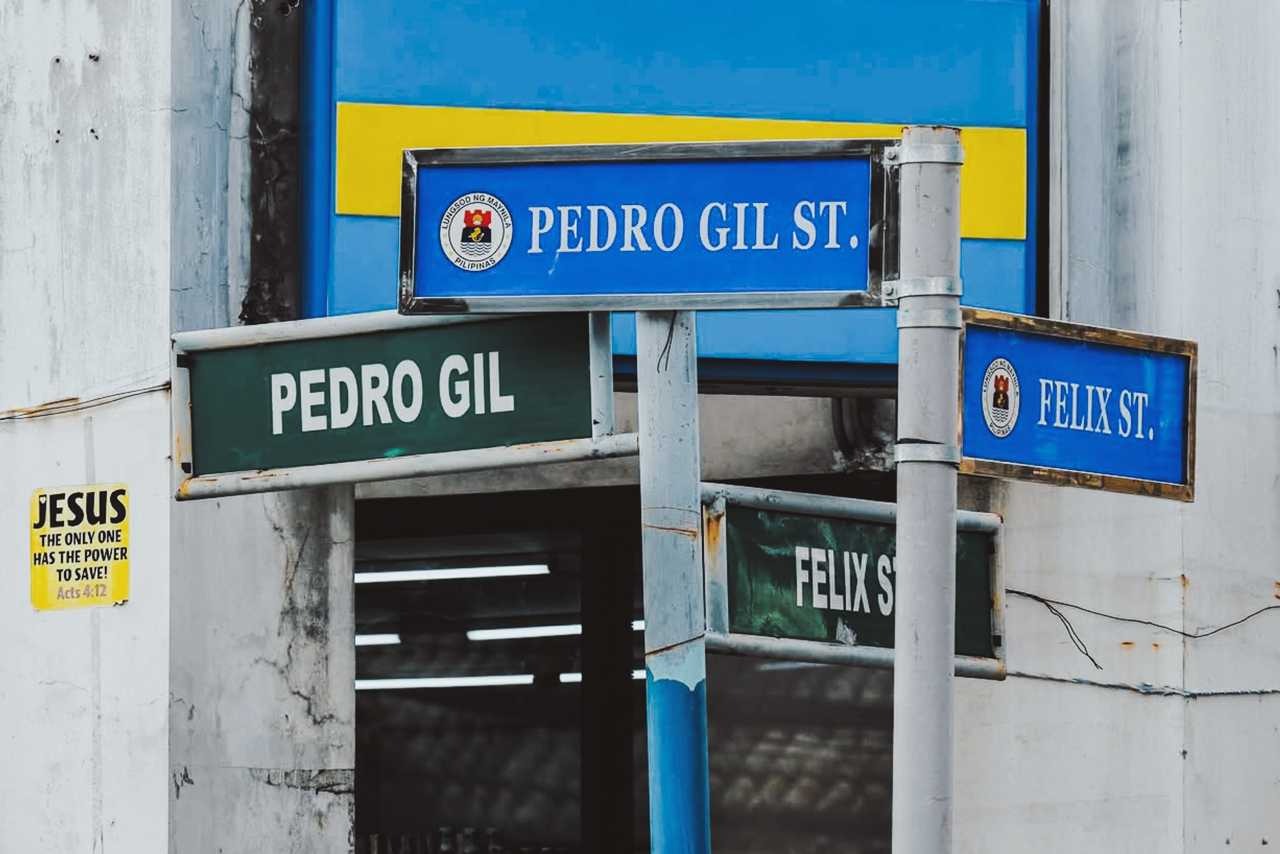
- Being street smart has always been a survival skill. Knowing how to get around, how to ask for directions, and how to read your surroundings helped make daily life easier.
- Today, with the fast pace of technology, navigation has become more convenient.
- This brings up a question does being street-smart still help our daily commute, or have cellphone maps completely replaced it?
Did we really lose our sense of direction, or did navigation just evolve?
Before Google Maps told us where to turn, before Waze warned us about traffic, and long before a single tap could summon a ride, getting around meant something else entirely.
Did you ever ask your dad for directions and immediately regret it halfway through? He’d start with confidence.
“Diretso ka lang diyan, tapos pag nakita mo yung bakery, kaliwa ka. Lampas ng tindahan ha, hindi yung bago.”
And somehow, that made sense. At least… to him.
Back then, directions weren’t pinned on a screen. They lived in people’s heads, in habits, in landmarks that everyone just knew. You didn’t count kilometers. You counted sari-sari stores, waiting sheds, basketball courts, and bakeries that smelled like pandesal at six in the morning.
It was confusing. It was imperfect. But it worked.
When Experience Was the Real GPS
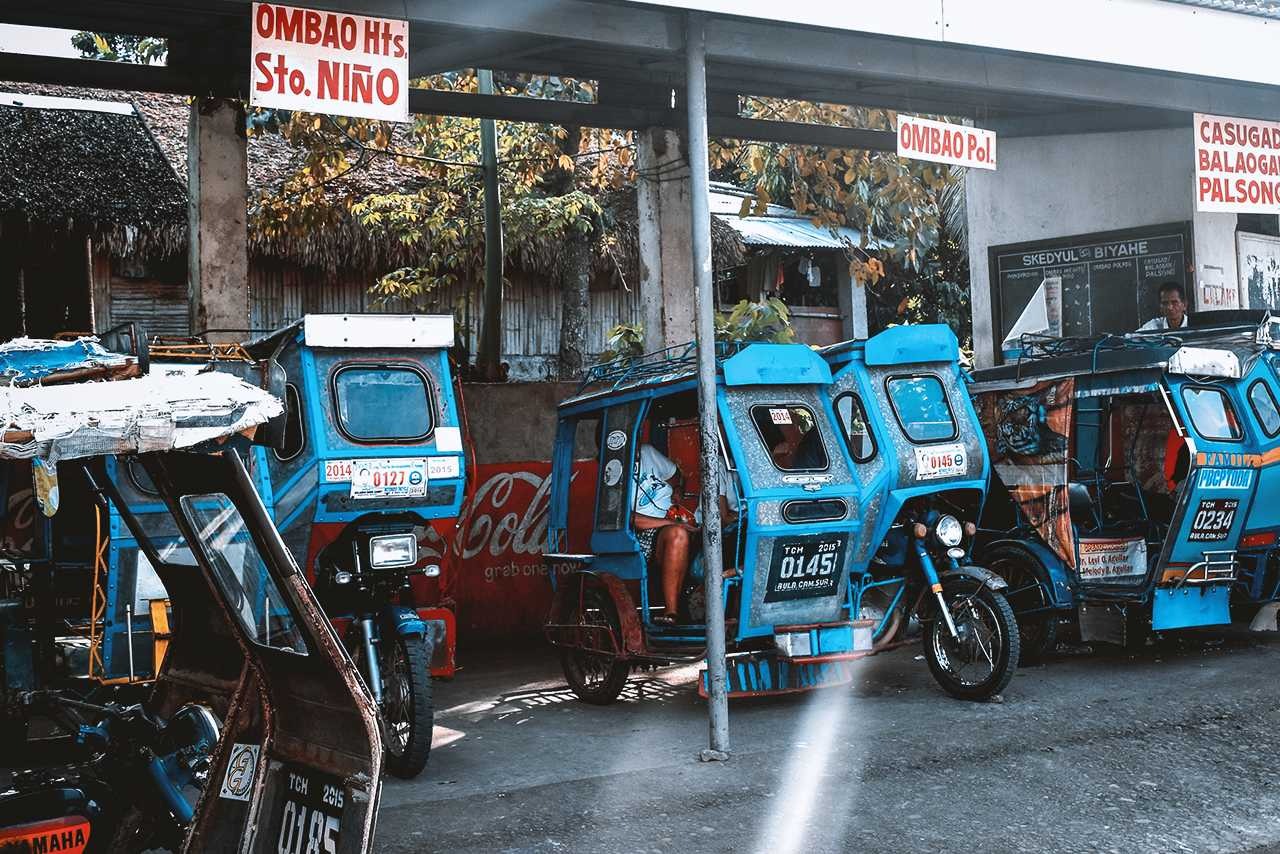
I remember once asking our driver how he knew which streets were one-way, especially back when not all of them had signs. He laughed a little before answering, like it was the most obvious thing in the world.
“Edi pag nahuli ka, malalaman mo. ‘Ah, one-way pala diyan.’ Dahil nahuli ka, hindi mo na makakalimutan.”
It sounds funny now, but that’s how people learned. You didn’t just read rules, you felt them. Sometimes through trial and error. Sometimes through a ticket. Either way, the lesson stuck.
Street smarts weren’t taught in manuals. They were earned on the road.
When Landmarks Were the Only Way Home
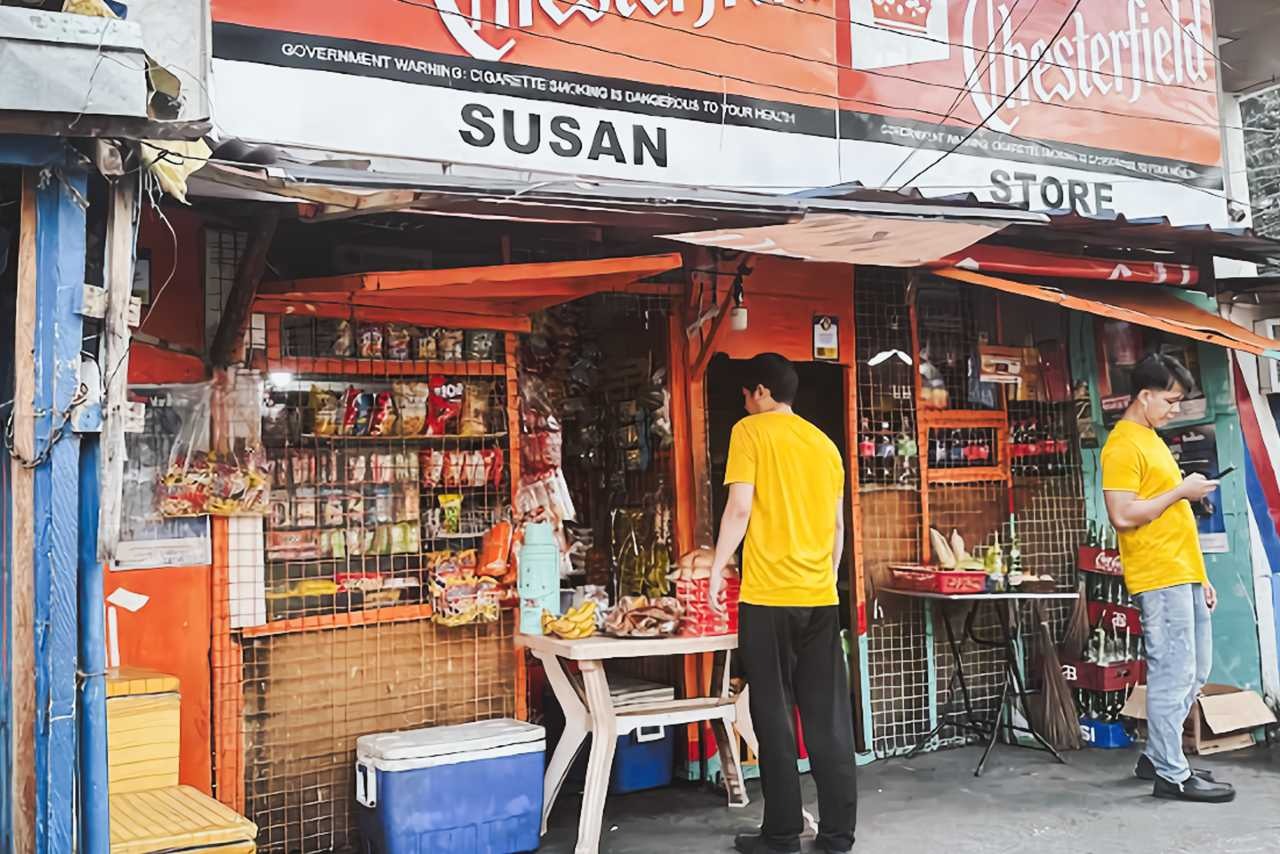
Growing up, whenever I had to go somewhere unfamiliar, I’d ask my dad or uncle how to get there. The answers were never precise, but they were vivid.
“Pag lagpas mo ng tulay, may karinderya. Pag wala na yun, sumobra ka na.”
You had to look around. You had to stay alert. Getting lost was part of the process. And when you finally arrived, there was a quiet sense of achievement, like you unlocked a new part of the city using nothing but memory and observation.
But cities change. Buildings disappear. Streets get reworked. That “bakery sa kanto” turns into a coffee shop or vanishes entirely. The landmarks that once guided whole generations slowly fade, and with them, that old way of navigating.
We Measured Distance in Time, Not Kilometers

Ask a Filipino how far a place is, and you’ll rarely hear kilometers.
“Malapit lang yan, mga 15 minutes.”
“Mga one hour pag walang traffic.”
Time became our unit of distance. Maybe because traffic taught us early that space means nothing without context. You learned to leave early. To expect delays. To always add a buffer “just in case.”
Even now, with apps giving us estimated arrival times and multiple route options, we don’t trust them blindly. We still check traffic. We still rely on instinct.
“Kaliwa na tayo dito, masikip na diyan.”
That’s not technology replacing street smarts. That’s street smarts adapting.
So… Did We Really Lose Street Smarts?
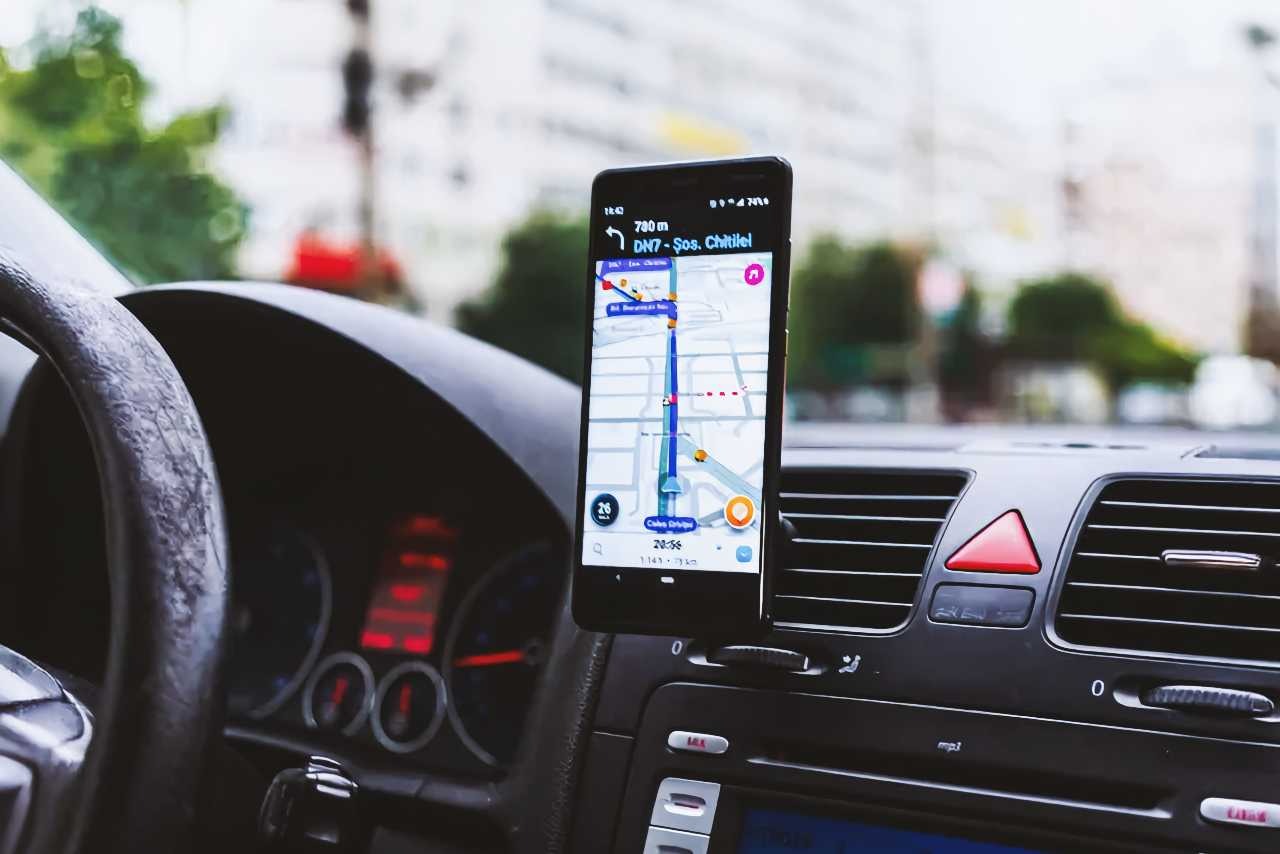
Today, navigation is easier than ever. A few taps and you know exactly where to go. You don’t need to memorize routes. You don’t need to ask strangers. You don’t even need to know the street name.
But that doesn’t mean people became less street-smart. It just means navigation evolved.
Street smarts didn’t disappear. They changed form. From memorizing landmarks to reading traffic behavior. From getting lost physically to knowing when not to trust the map. From asking for directions to knowing when experience matters more than instructions.
And for younger generations, all of this might sound unfamiliar. Almost unreal.
“Ganun pala yun dati?”
Yes. Ganun nga. And maybe one day, they’ll say the same thing about how we navigate now.
Because no matter the era, finding your way has always been a mix of instinct, experience, and learning the streets one wrong turn at a time.