

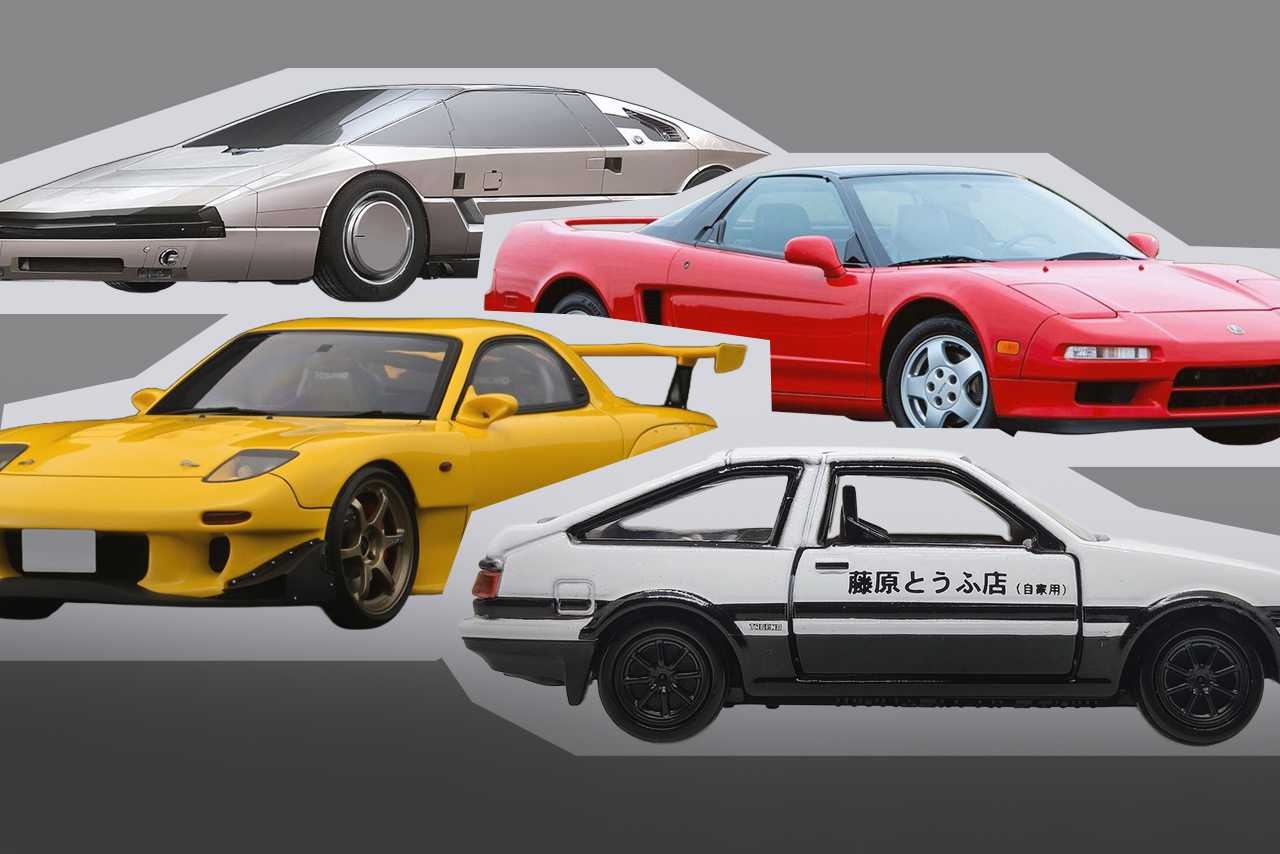
- Anime imagined futuristic cars long before technology could build them, giving artists the freedom to design without limits.
- Those ideas slowly showed up in real life, from street-racing culture like Initial D to the clean, digital look of modern electric cars.
- The cars we see today feel familiar because they’re connected to the future many of us already saw growing up in anime.
Have you ever been walking down the street and suddenly noticed a car that looks… different?
It’s sleek, curved, and sharp, a design that feels more advanced than everything else around it. It makes you wonder is this just what the future looks like now, or have I seen this somewhere before?
Maybe in an anime. Maybe in a manga.
If that thought has ever crossed your mind, you’re not alone. For decades, Japanese animation has been a playground for futuristic design. While real world car manufacturers were limited by technology, anime artists were free to imagine cars without constraints. They drew speed, emotion, and movement long before engineers could actually build them.
Now, the future we were promised in the 90s is finally real and it’s showing up on our streets.
The connection between hand drawn anime cells and the cars we see today comes from two very different worlds: the analog grit of street racing culture, and the digital calm of the electric future.
From Anime to the Streets
Initial D: AE86 Trueno
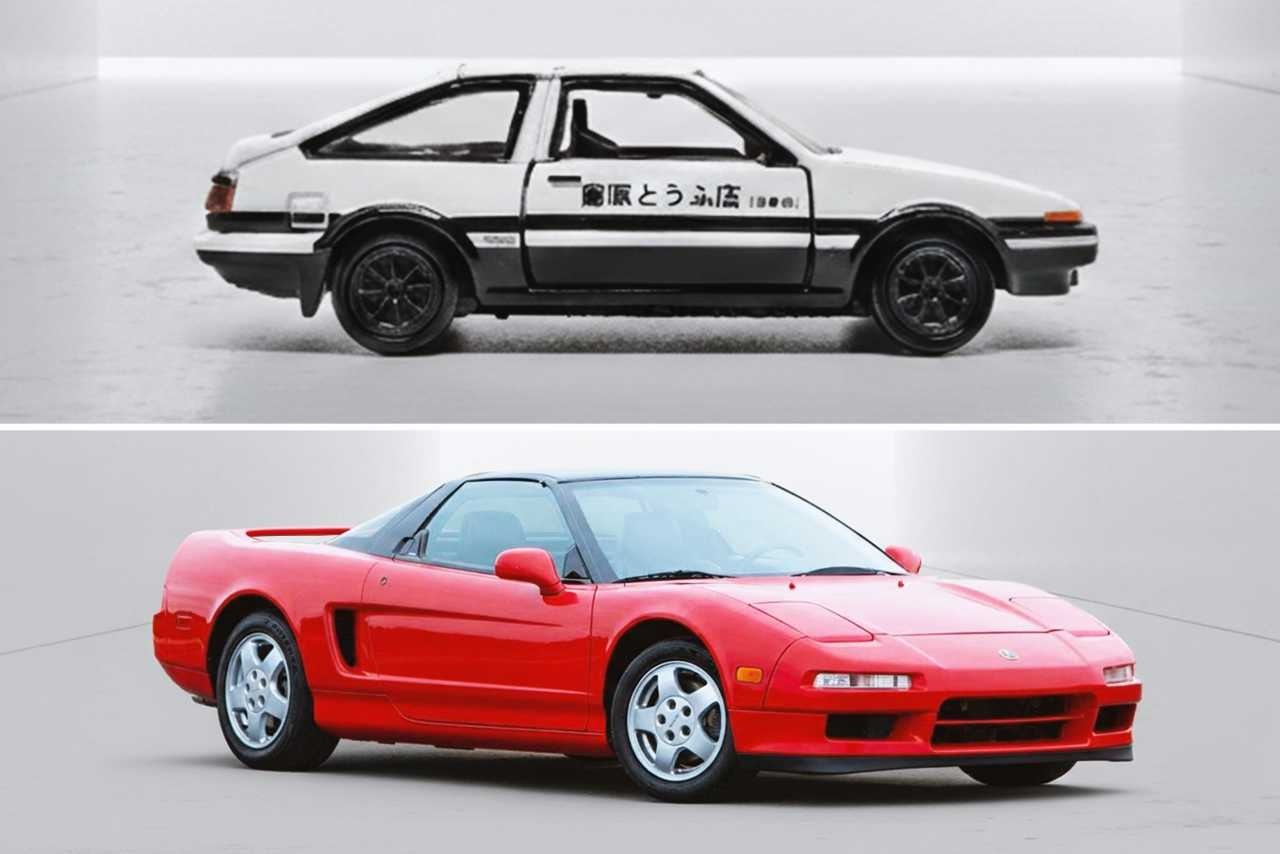
In Initial D, the AE86 Trueno was drawn low, sharp, and firmly planted to the road. Even when parked, it looked like it was ready to move. That same visual language lives on the Toyota 86 and GR86 wide stances, sharper headlights, and bodies designed that give more driver feels. Toyota UK paid homage to Initial D showing the AE86’s lasting impact.
Initial D: RX-7 FD3S
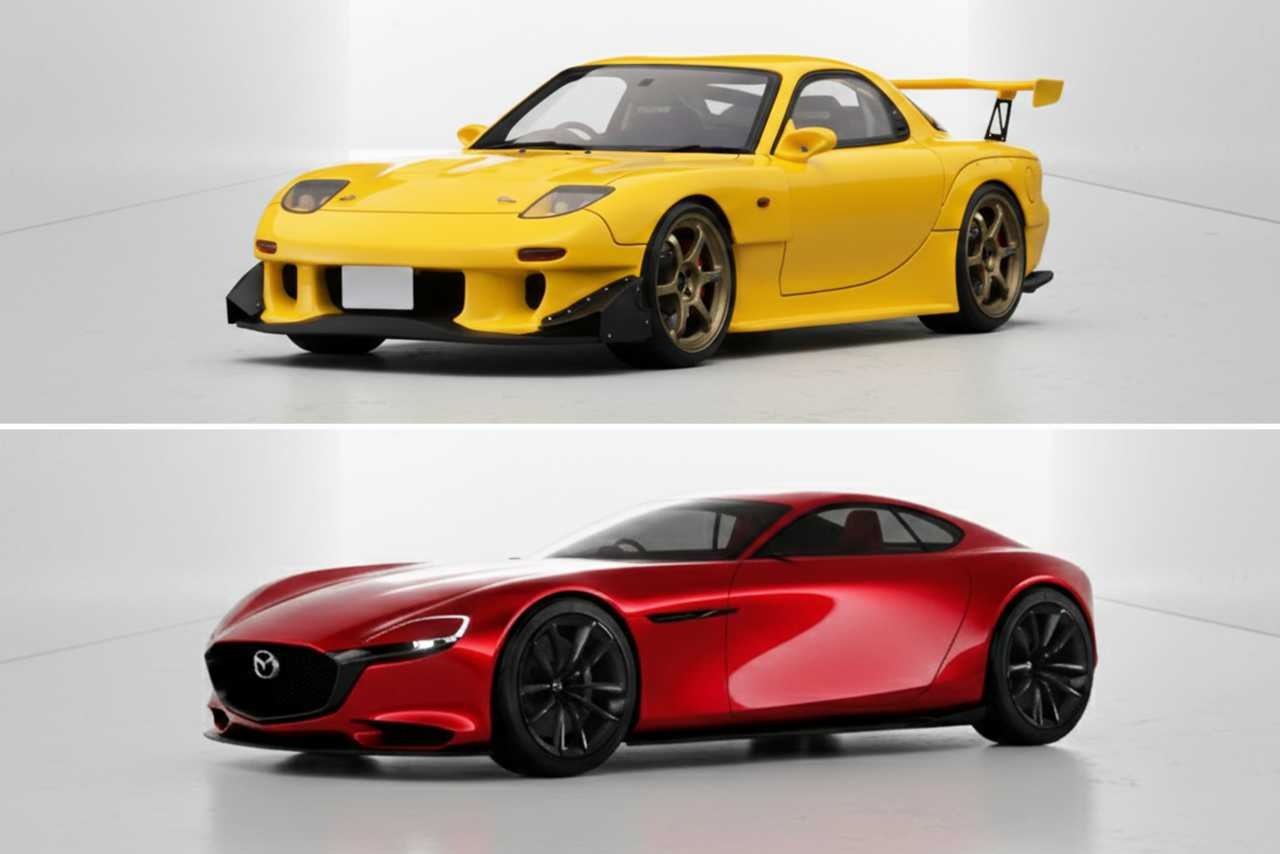
The RX-7 FD3S was never bulky or aggressive for the sake of it. Its smooth curves and low, flowing silhouette made it feel fast, clean, and emotional. Modern Mazda sports designs still carry that philosophy today, focusing on sculpted surfaces and proportions that feel more artistic than mechanical.
Ghost in the Shell and Modern EV Design
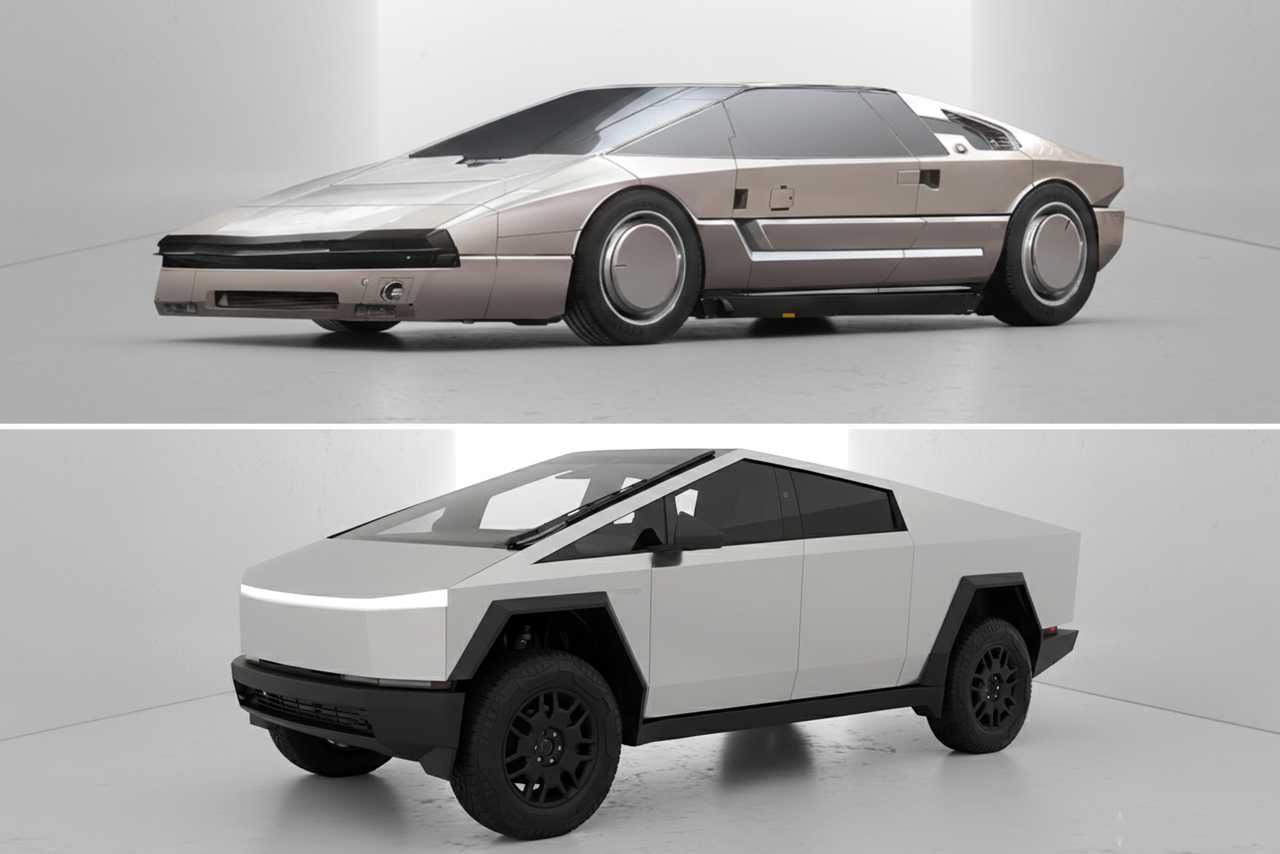
Anime like Ghost in the Shell imagined cars as quiet, clean, and highly digital with smooth surfaces, minimal details, and glowing light elements. That same futuristic design language now defines modern EVs, where closed grilles, thin LED strips, and simplified shapes reflect a technology first future once seen only in anime.
Street Racing Culture and Modern Car Branding
Initial D made everyday cars feel legendary. Not supercars, just cars people could actually own. That influence is still visible today, as brands focus less on raw performance numbers and more on driving stories, tuning culture, and the lifestyle surrounding the car.
The cars we see today aren’t just taken from anime designs. They come from the same imagination that once pictured the future before technology could catch up. As time passed, those ideas slowly became possible — from balanced, driver-focused cars inspired by street racing culture to electric vehicles shaped by a cleaner, more digital vision of the future.
Anime gave those ideas space to exist first. Now, with modern engineering and EV technology, that imagined future is finally showing up on real streets quieter, smoother, and more advanced, but still connected to the designs we grew up watching.