

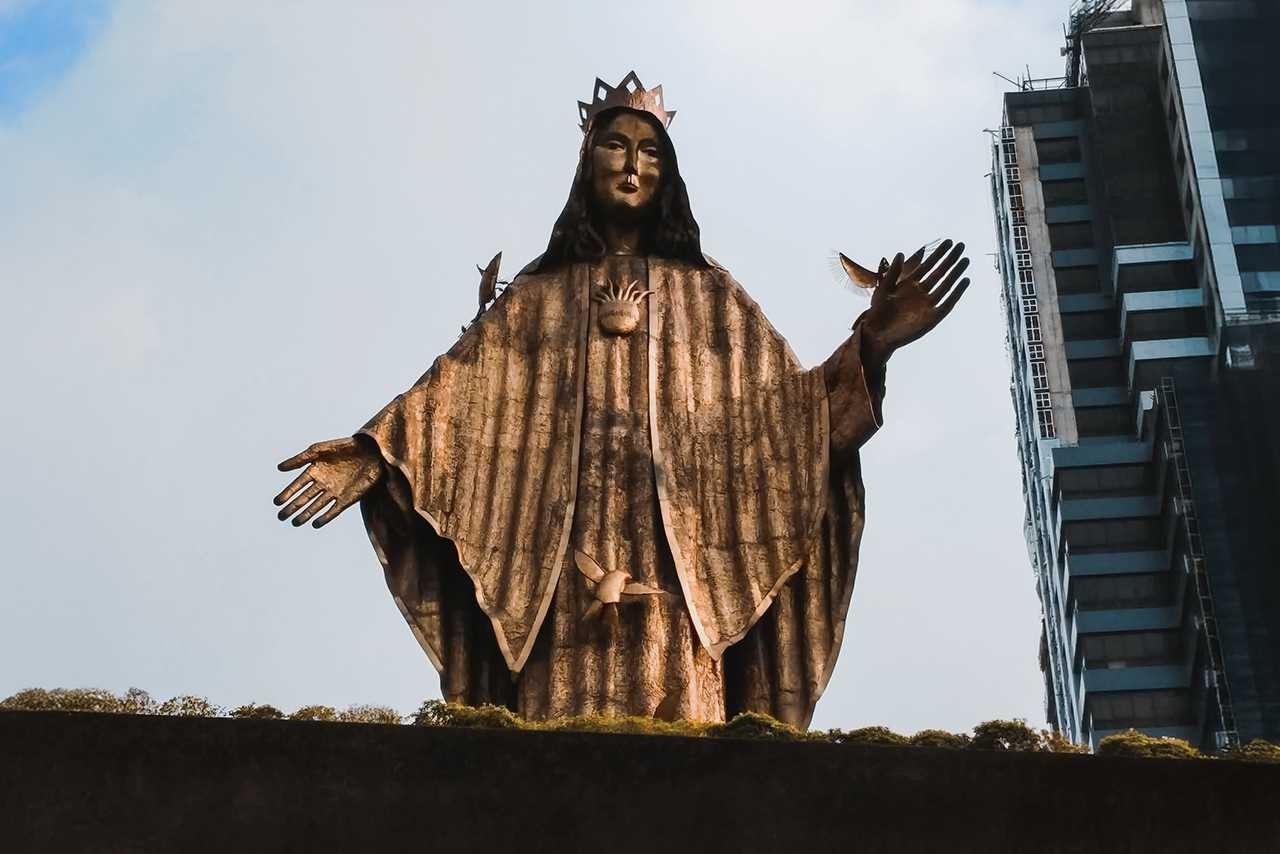
- EDSA has been around since the mid-20th century and has gone through many phases of life.
- Epifanio de los Santos Avenue, more commonly known as EDSA, is named after a Filipino historian, scholar, jurist, and art critic, Epifanio de los Santos.
- This piece takes a closer look at EDSA’s different phases and how artists, historians, and everyday commuters have drawn inspiration from this iconic road.
EDSA has been around since the mid-20th century and has gone through different phases of life.
Epifanio de los Santos Avenue, or EDSA, was named after a Filipino historian, scholar, jurist, and art critic Epifanio de los Santos.
Let’s deep dive into EDSA’s phases, and how artists, historians, and everyday commuters have been inspired by this road.
Built to Connect
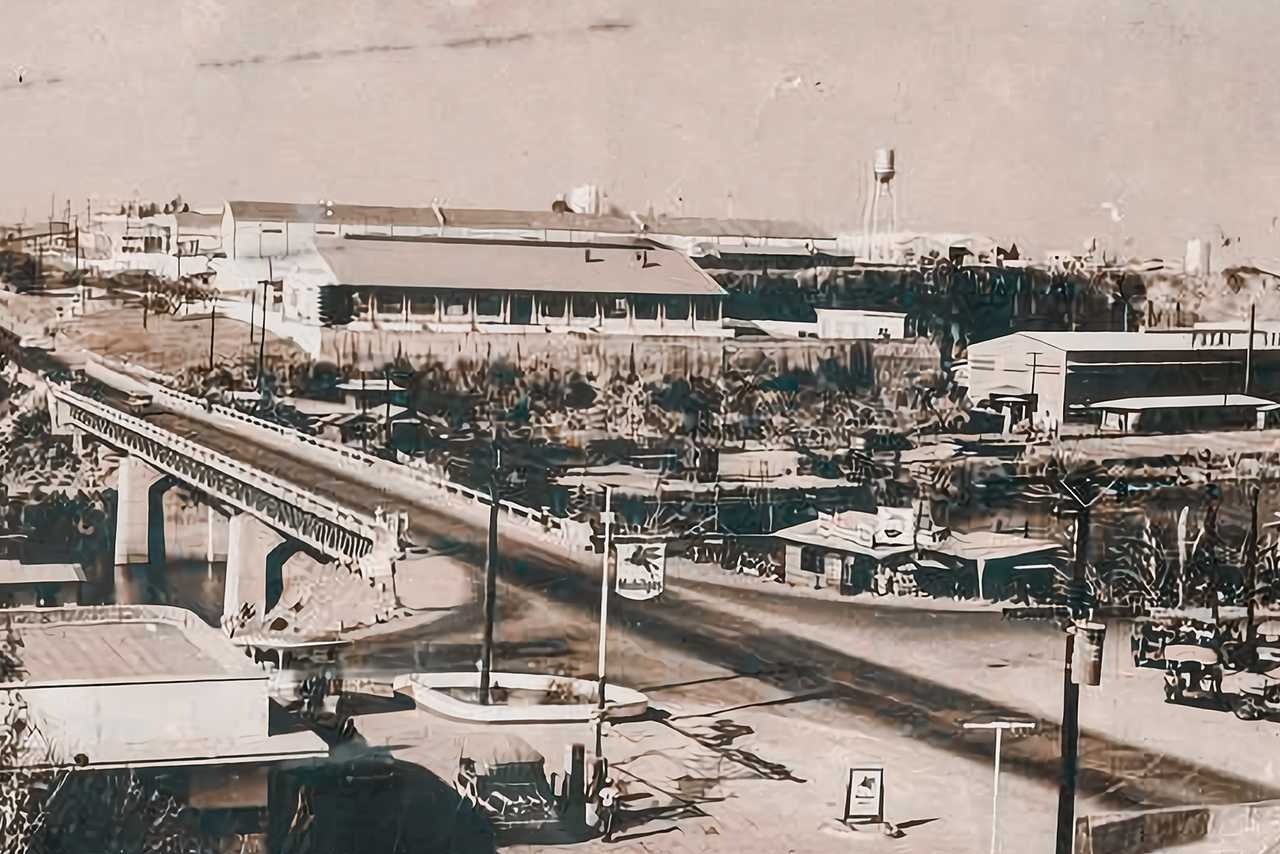
EDSA’s story began in the 1930s, when it was engineered as part of Metro Manila’s road expansion. Its original purpose was simple: to connect North and South from Caloocan to Pasay stretching roughly 23.8 kilometers based on aerial measurements.
At the time, cars were not yet high-tech. There was no MRT, no bus carousel, and no towering buildings along its sides. It was first known as Highway 54 and officially opened to the public in the 1940s.
By 1959, the road was renamed Epifanio de los Santos Avenue to honor the late Epifanio de los Santos, a man known for preserving Filipino culture, history, and art.
EDSA was built to move people but history decided it would do more than that.
In the Beginning
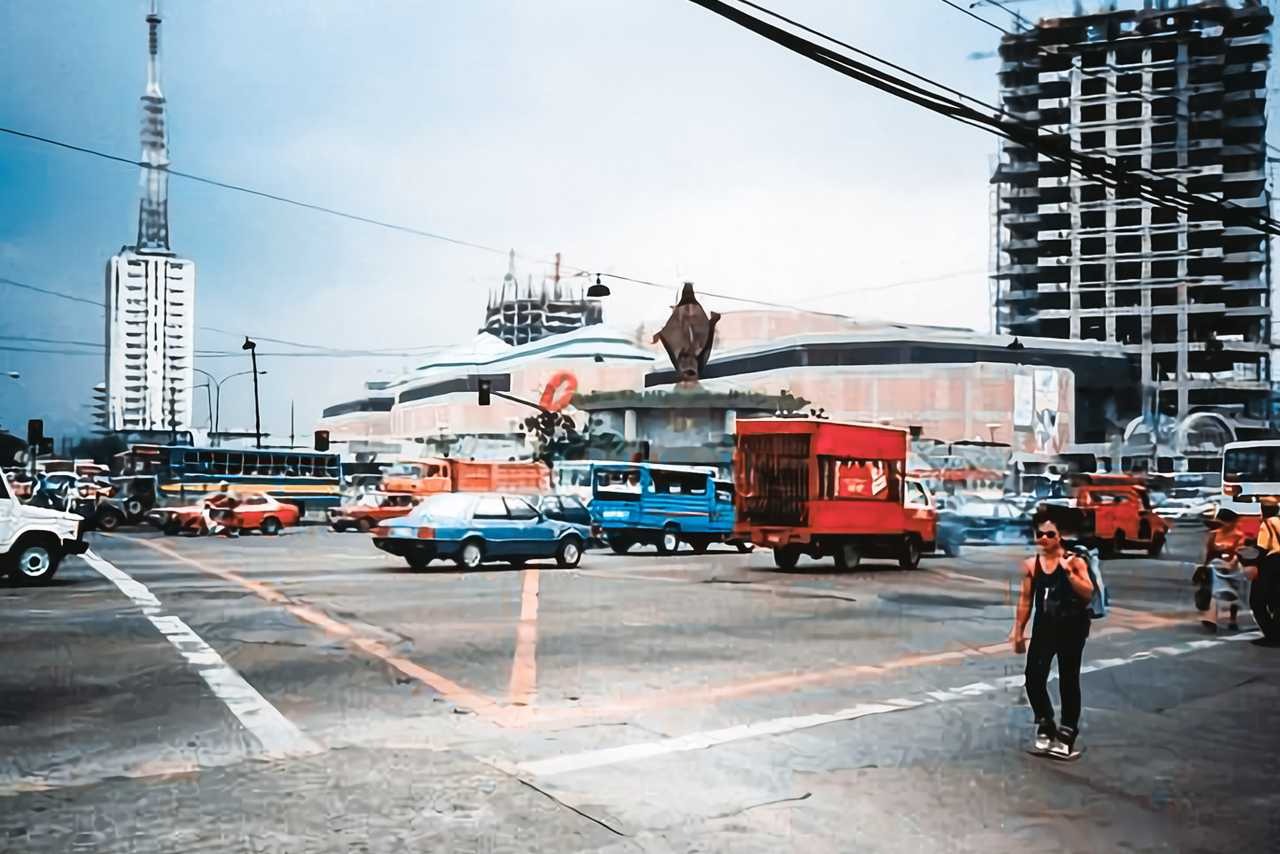
From its early years, EDSA quietly witnessed the growth of the city. It saw the rise of buildings where trees once stood, the slow disappearance of open spaces, and the increasing pace of urban life.
It later witnessed defining moments: the construction of the MRT and the LRT Cubao Station, the surge of vehicles from south to north, and the transformation of the avenue into one of the busiest roads in the country.
Artists found inspiration in its chaos. Filmmakers and musicians used it as a backdrop. At one point, it even became the setting of music videos proof that EDSA had become more than just a road.
People Change
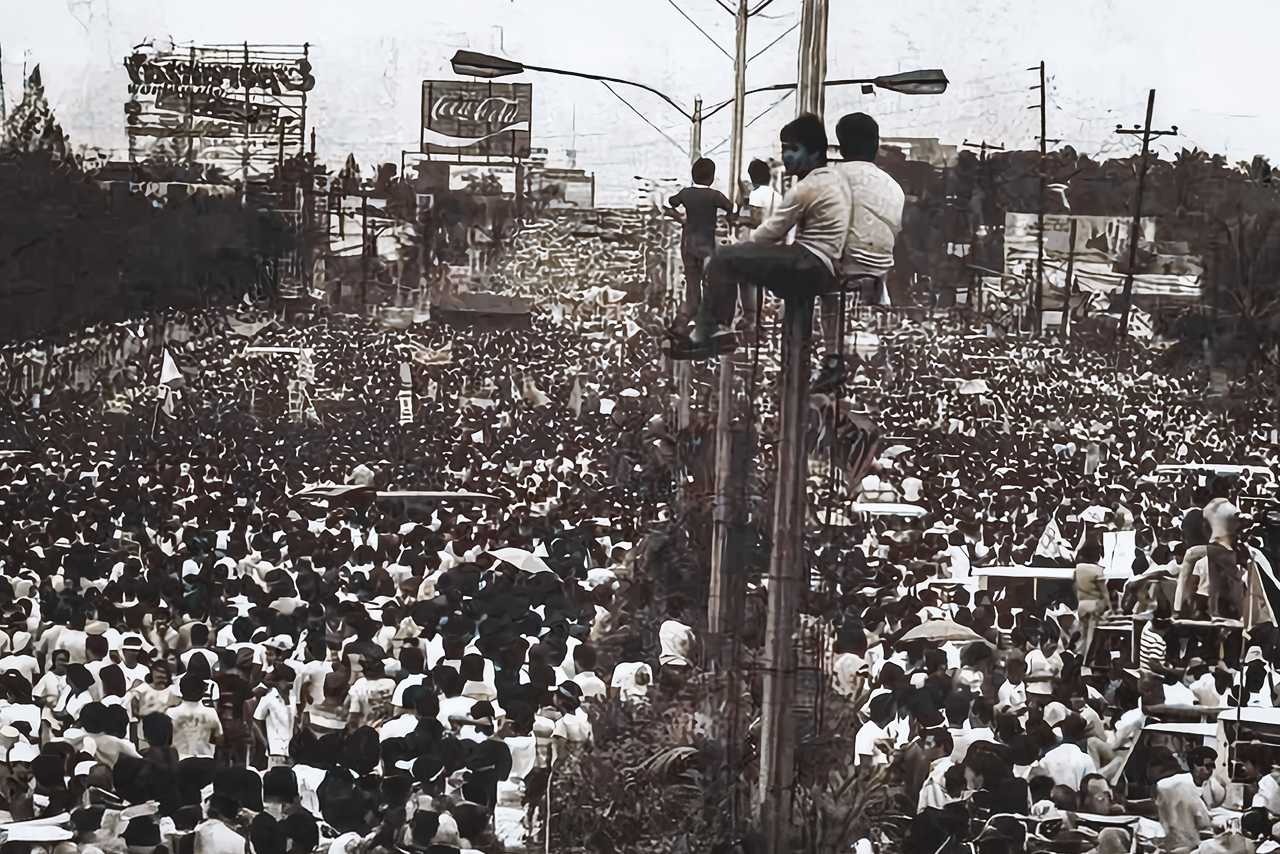
This road has seen blood, sweat, courage, and justice.
There came a time when EDSA transformed into a symbol when millions of Filipinos gathered not to move forward in traffic, but to stand their ground. The world watched as Filipinos demanded change during what we now call the EDSA People Power Revolution.
More than 40 years later, rallies still happen. EDSA remains a space of resistance—a place where Filipinos gather to speak, to protest, and to fight for what they believe is right. It proved that collective action, when peaceful and united, could reshape a nation.
Inspirations
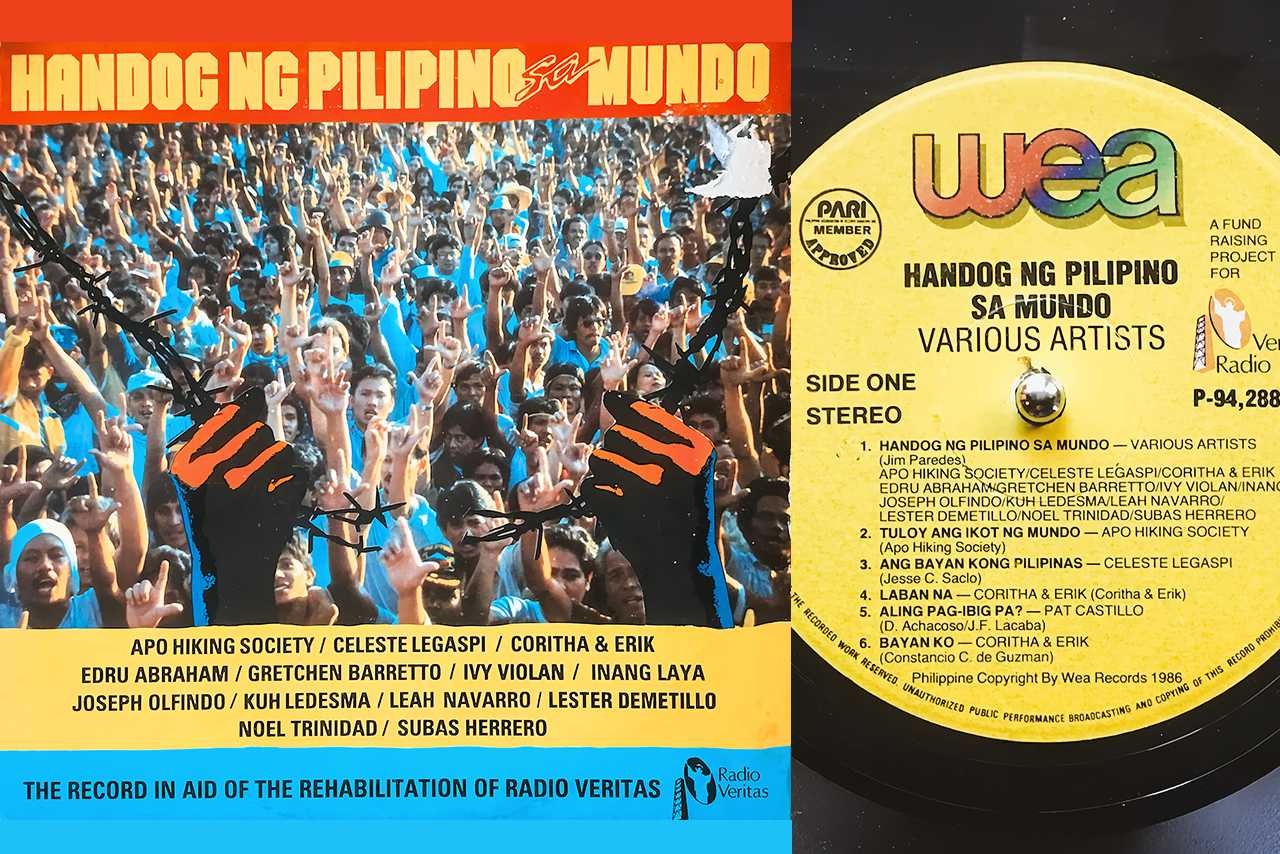
EDSA inspired courage, democracy, and collective action, and artists responded.
During the 1986 Revolution, APO Hiking Society released Handog ng Pilipino sa Mundo, a song that captured the spirit of unity and hope. During those historic days, songs became expressions of faith and resistance. Civilians, religious groups, and even soldiers sang hymns, patriotic anthems, and protest songs along EDSA.
Years later, the band Pupil used EDSA as the setting for their music video 20/20. While it appeared fictional—with minimal cars—it was actually filmed during Holy Week, one of the rare moments when EDSA is allowed to breathe.
The Long Road Forward
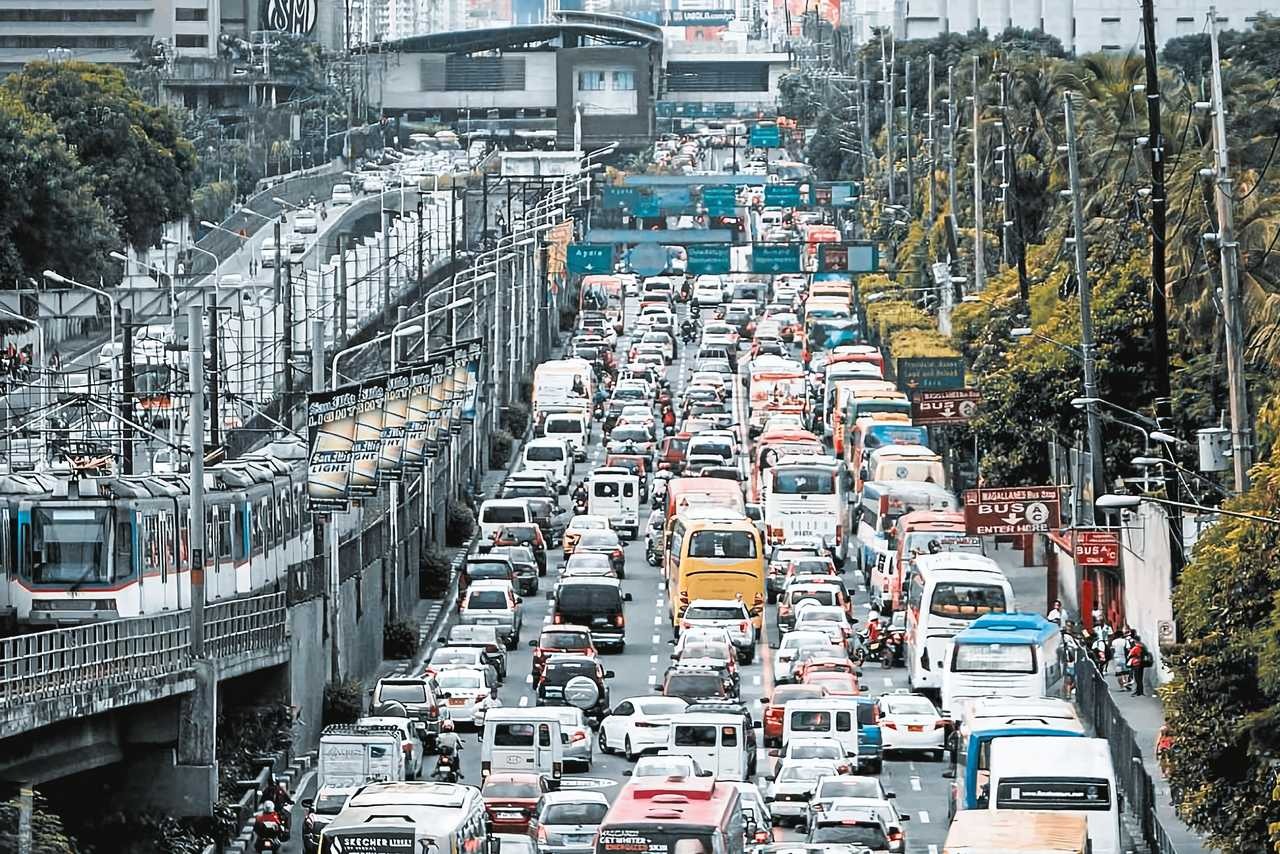
By the 1990s, EDSA began experiencing heavy traffic. The rise of private vehicles, buses moving in multiple directions, and the construction of the MRT all contributed to congestion. Still, the MRT helped commuters move from point A to point B, even as the road struggled to keep up.
During the pandemic, EDSA changed once again. Roads emptied. Silence replaced noise. New bus lanes were introduced, and routes were reorganized—proof that even in stillness, EDSA continued to evolve.
EDSA has seen it all: the beautiful chaos of rush hour, the quiet calm of late night drives, the hum of jeepneys, buses, trucks, private cars, and now even electric vehicles.
This is not just any ordinary avenue. EDSA carries collective memory. It made a country move not just physically, but historically and emotionally.With all the history it holds, EDSA remains one of the most important roads in the Philippines not because of traffic, but because of the people who once stood still on it and changed the course of a nation..