

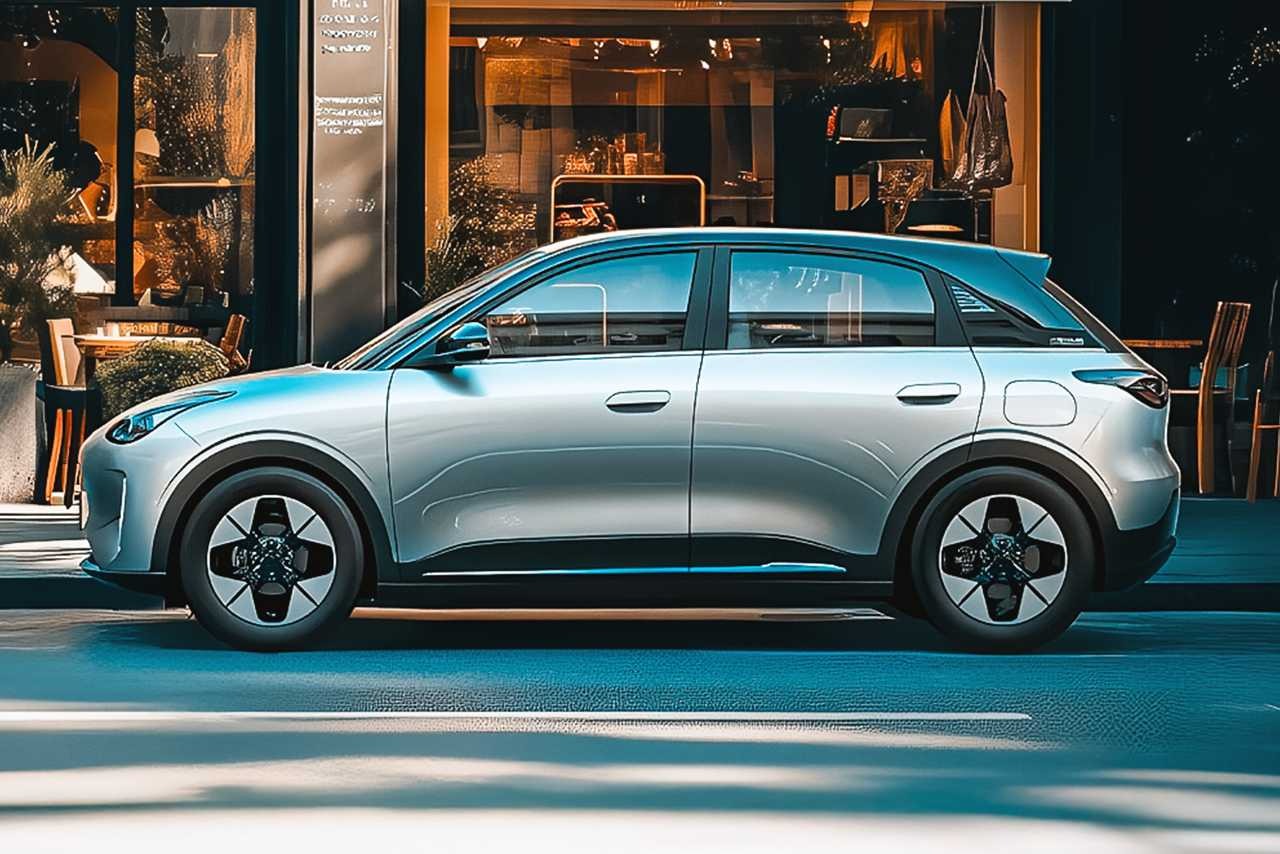
China did not just sell more cars in 2025. It quietly reshaped what a “best-selling car” even means.
Based on full-year data released in January 2026, China recorded approximately 34.5 million new vehicle sales in 2025, the highest annual total in its automotive history. What stood out wasn’t just volume, but what people were buying. Nearly half of all passenger cars sold were New Energy Vehicles (NEVs), a category that includes battery electric vehicles (EVs) and plug-in hybrids (PHEVs).
In other words, 2025 was the year electrification stopped being a trend and became the default.
The Best-Selling Cars in China (Full Year 2025)
Industry trackers compiling official figures from the China Passenger Car Association (CPCA) and China Association of Automobile Manufacturers (CAAM) show a clear pattern at the top of the sales charts: compact, affordable, domestically built EVs dominated.
Top 10 Best-Selling Passenger Car Models in China – 2025
- Geely Galaxy Xingyuan (EV) – approx. 465,000 units
- Wuling Hongguang Mini EV (EV) – approx. 435,000 units
- Tesla Model Y (EV) – approx. 425,000 units
- BYD Qin Plus (PHEV/EV) – approx. 387,000 units
- BYD Song (PHEV/EV) – approx. 350,000+ units
- Nissan Sylphy (ICE) – approx. 330,000 units
- BYD Seagull (EV) – approx. 310,000 units
- Volkswagen Lavida (ICE) – approx. 300,000 units
- BYD Qin L (PHEV) – approx. 265,000 units
- Xiaomi SU7 (EV) – approx. 258,000 units
While internal combustion models like the Nissan Sylphy and Volkswagen Lavida still held strong positions, they were increasingly outnumbered by EVs and hybrids at the top of the list.
Why the Geely Xingyuan Took the Crown
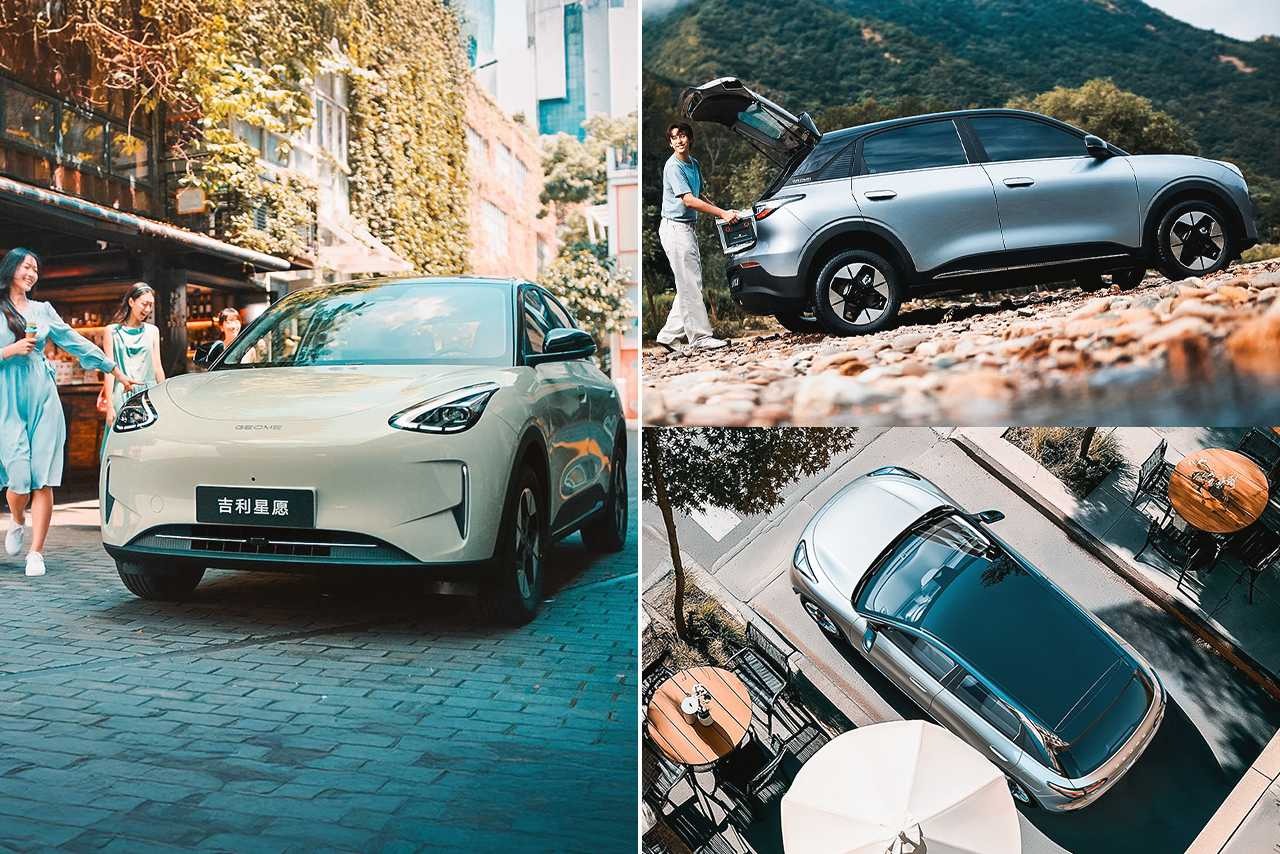
The Geely Galaxy Xingyuan, emerging as China’s best-selling car, surprised many outside the country, but not local buyers. Positioned as an affordable, no-nonsense electric hatchback, the Xingyuan hit the sweet spot for urban commuters who wanted low running costs, modern tech, and local brand support.
More importantly, its success symbolized a larger shift. In 2025, Geely overtook long-time market leaders Volkswagen and Toyota in overall passenger car rankings, signaling how far Chinese brands have come in both scale and consumer trust.
Micro EVs Still Matter, and Still Sell
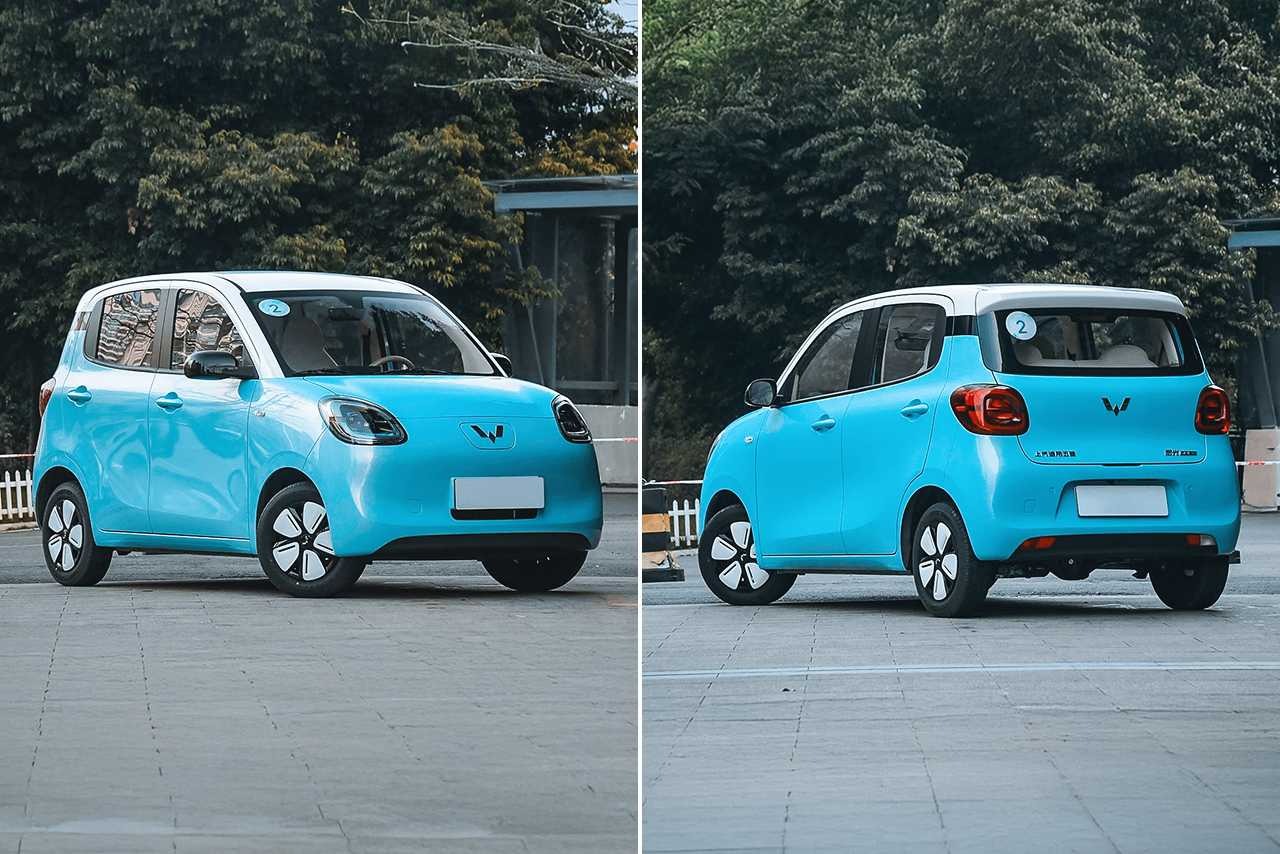
If there’s one car that defines China’s unique automotive landscape, it’s the Wuling Hongguang Mini EV. Despite being several years old, it remained one of the country’s top sellers in 2025.
The reason is simple. In dense urban environments, many buyers don’t need speed, range, or size. They need affordability and convenience. The Mini EV, priced far below most conventional cars, continues to serve that exact purpose.
Its continued success proves that innovation in China isn’t only about high-end technology. Sometimes, it’s about solving everyday problems at the lowest possible cost.
BYD’s Volume vs. Competition Pressure
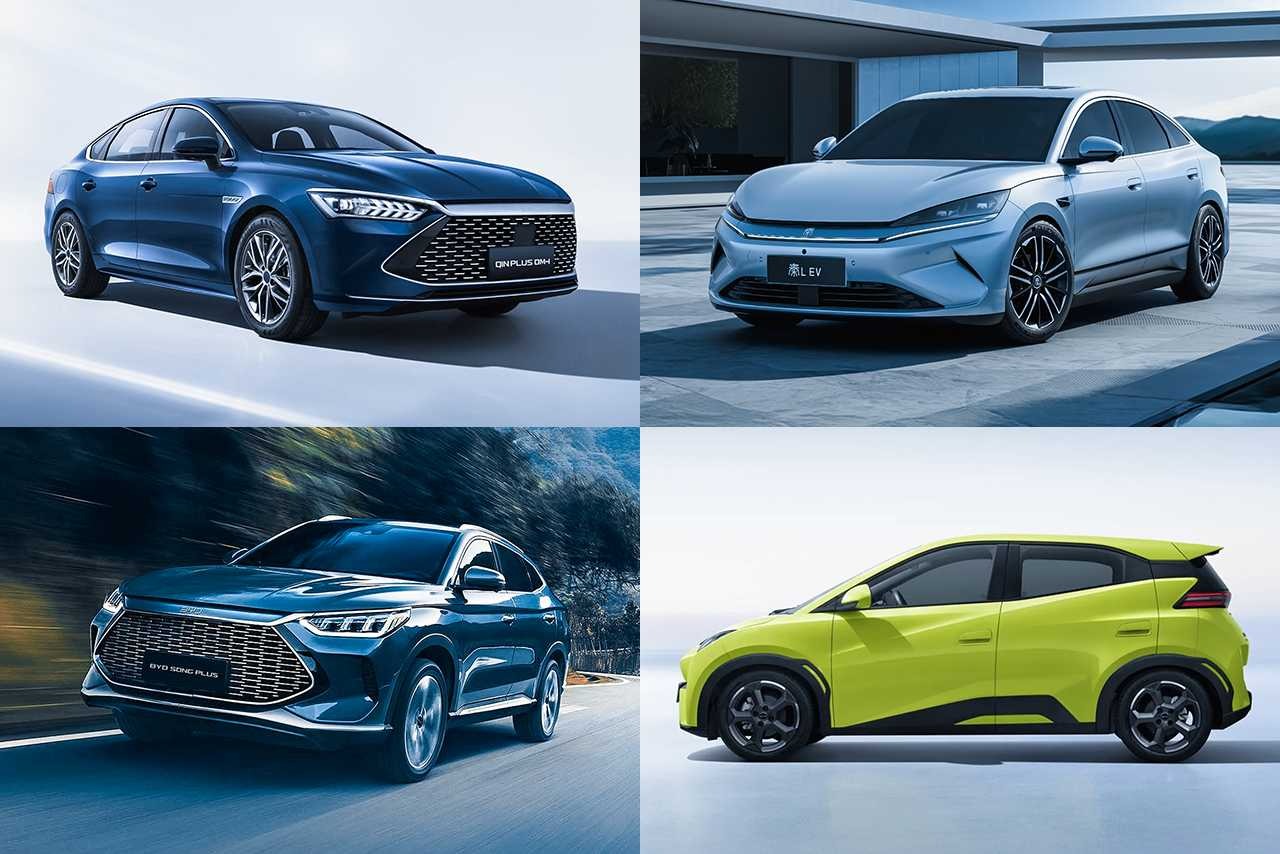
BYD remained China’s largest NEV manufacturer by total volume in 2025, with multiple models appearing across the top rankings. Cars like the Qin Plus, Qin L, Song, and Seagull collectively moved hundreds of thousands of units.
However, increased competition meant that some BYD models saw slower growth compared to previous years. The market is now crowded with strong alternatives from Geely, Changan, Xiaomi, and other domestic players, forcing even the biggest brands to fight harder for attention.
Xiaomi SU7: A Tech Company Enters the Top 10
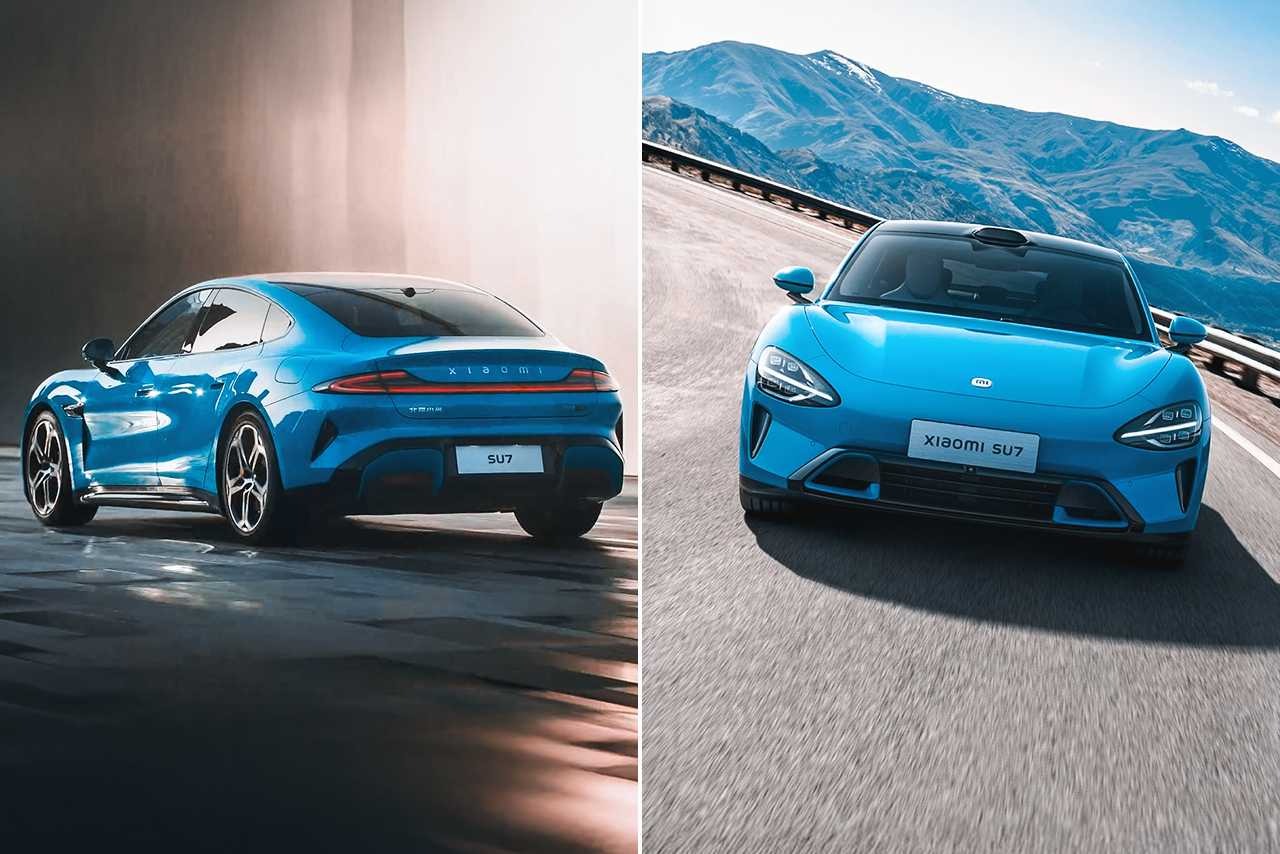
One of the most talked-about newcomers of 2025 was the Xiaomi SU7. Entering the market as Xiaomi’s first production car, it climbed into the top 10 within its first full year on sale.
This wasn’t driven by novelty alone. Xiaomi leveraged its massive ecosystem, competitive pricing, and strong tech branding to attract buyers who were already familiar with the company’s phones and electronics. The SU7’s performance highlighted how brand loyalty from other industries can now translate directly into car sales.
Key Trends That Defined China’s Car Market in 2025
NEVs Became Mainstream
By late 2025, NEVs accounted for roughly 44% to over 50% of all passenger car sales, depending on the reporting method. Electrification was no longer limited to early adopters or major cities.
Chinese Brands Took Control
Out of the top 20 best-selling models, the vast majority were produced by domestic manufacturers. Foreign brands without strong EV portfolios continued to lose ground.
Compact Cars Won the Cities
Micro EVs and compact sedans dominated sales as buyers prioritized easy maneuverability, lower prices, and reduced ownership costs in traffic-heavy urban areas.
China’s best-selling cars in 2025 tell a clear story. The market has moved beyond experimentation and into maturity. Electric vehicles are no longer niche products, domestic brands are no longer underdogs, and affordability has become just as important as innovation.
From the rise of the Geely Galaxy Xingyuan to the sustained popularity of micro EVs like the Wuling Mini EV, China’s automotive market continues to evolve on its own terms. And for the rest of the world, it offers a glimpse of what the future of mass-market car buying might soon look like.