

You know those moments when you’re in a friend’s car and they suddenly point something out you never would’ve noticed on your own?
Maybe they lift the trunk floor and reveal a whole picnic table. Maybe they even show that their car has a built-in fridge. Or maybe they open something that looks completely ordinary, only to reveal a feature you didn’t even know cars could have.
And for a split second, the conversation stops because you’re still trying to process what you just saw.
And the only thing you can say is “Wait…it has that?”
Some cars aren’t memorable because of horsepower or styling, but because of the clever, thoughtful, and sometimes bizarre details built into them, features so unexpected you’d never discover them unless someone showed you.
Here are eight times everyday cars proved that the best engineering sometimes comes from the most unexpected ideas.
The Honda CR-V’s Secret Tailgate (and Shower?)
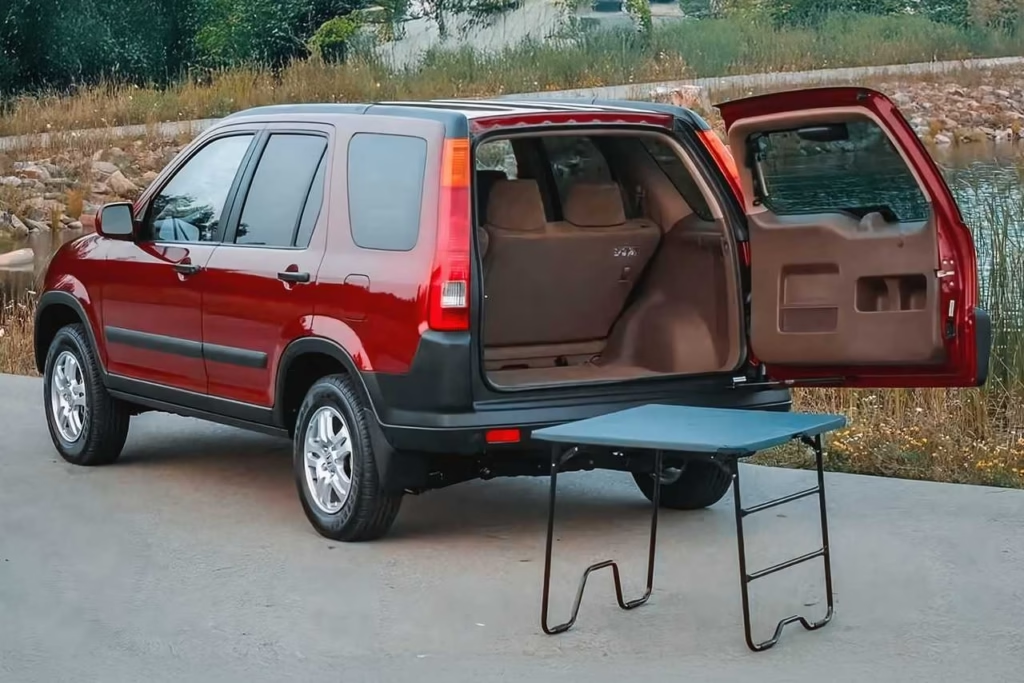
The first-generation Honda CR-V had one of the most charming hidden features ever put into a compact SUV.
If you lift the cargo floor, the panel itself unfolds into a portable picnic table, complete with folding legs. Because the table served as the CR-V’s actual trunk floor and was tucked directly underneath the carpet, many owners went years without realizing it was there.
Unless you had a specific reason to remove your trunk flooring, the feature stayed completely undercover.
It was simple, practical, and perfectly matched the CR-V’s outdoorsy personality, the kind of thoughtful engineering detail you’d only discover when someone showed you.

It gets even weirder: Honda also offered an optional shower kit. It was a 12V-powered pump and showerhead that plugged into the trunk’s power outlet, designed to rinse off muddy boots after a hike.
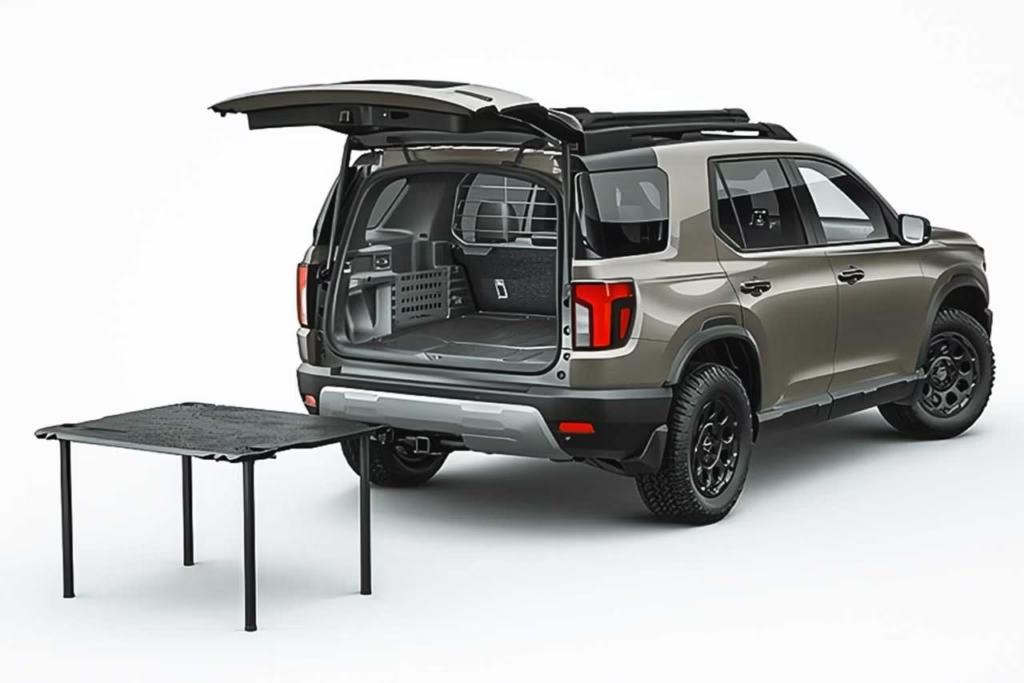
After nearly 20 years of fans begging for its return, Honda finally brought the table back! The 2026 Honda Passport TrailSport features a heavy-duty cargo shelf that slides out and converts into a four-legged picnic table. It proves that some “bizarre” ideas are just too good to stay in the past.
Pontiac Aztek: Proof That Outer Beauty Isn’t Everything
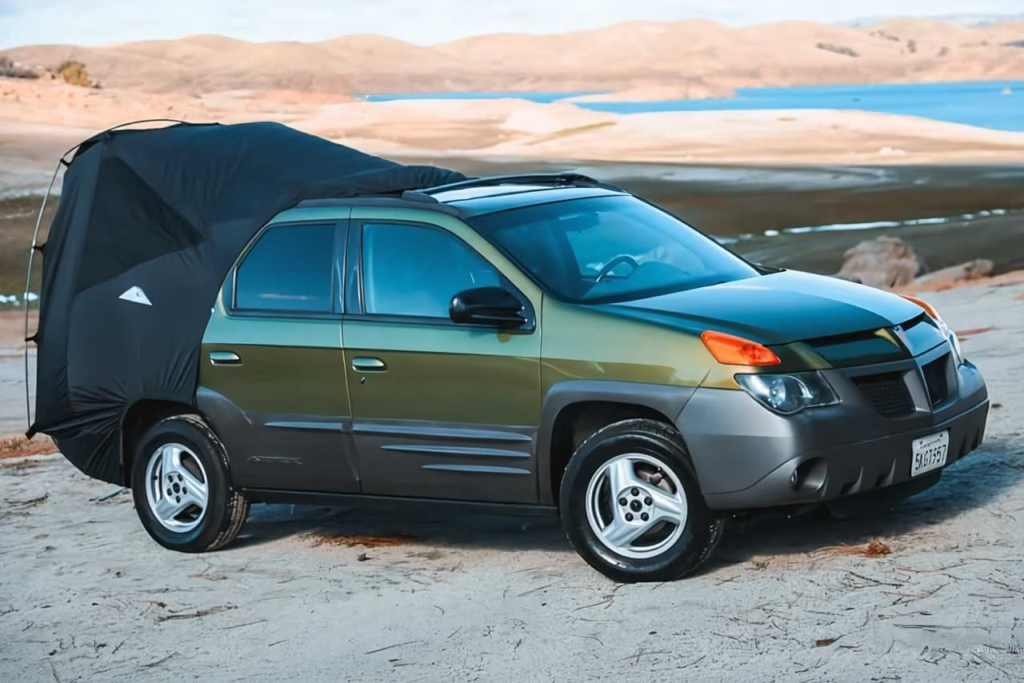
The Pontiac Aztek is remembered for its…”interesting” design, often topping lists of the “ugliest cars ever made”. But beneath that exterior was a vehicle designed by people who clearly loved the outdoors.

Every Aztek came with a removable center console that doubled as a cooler, perfect for road trips or tailgating. But buyers could go even further with the optional Camping Lifestyle Package, which transformed the crossover into a miniature campsite.
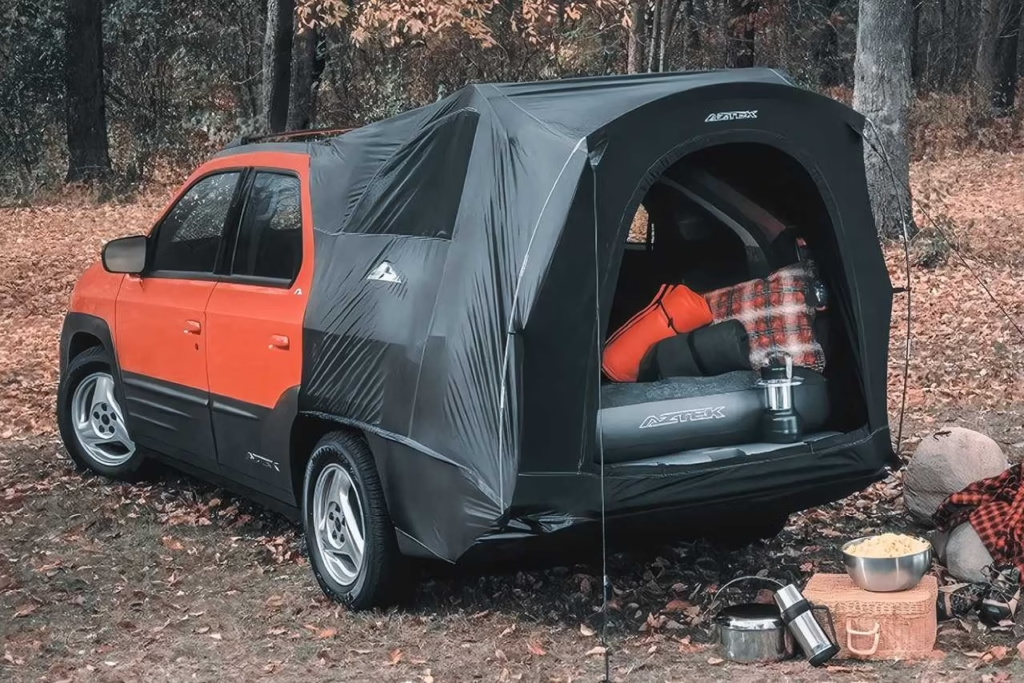
A tent could attach directly to the rear hatch, extending the living space behind the vehicle. Inside, a custom-fit air mattress turned the cargo area into a sleeping space for two, while an onboard air compressor made inflating the mattress quick and easy.
The Aztek may have been mocked for its looks, but for those who actually used these features, it was arguably one of the most thoughtfully designed adventure vehicles of its time.
Toyota Previa: The MPV That Could Make Ice
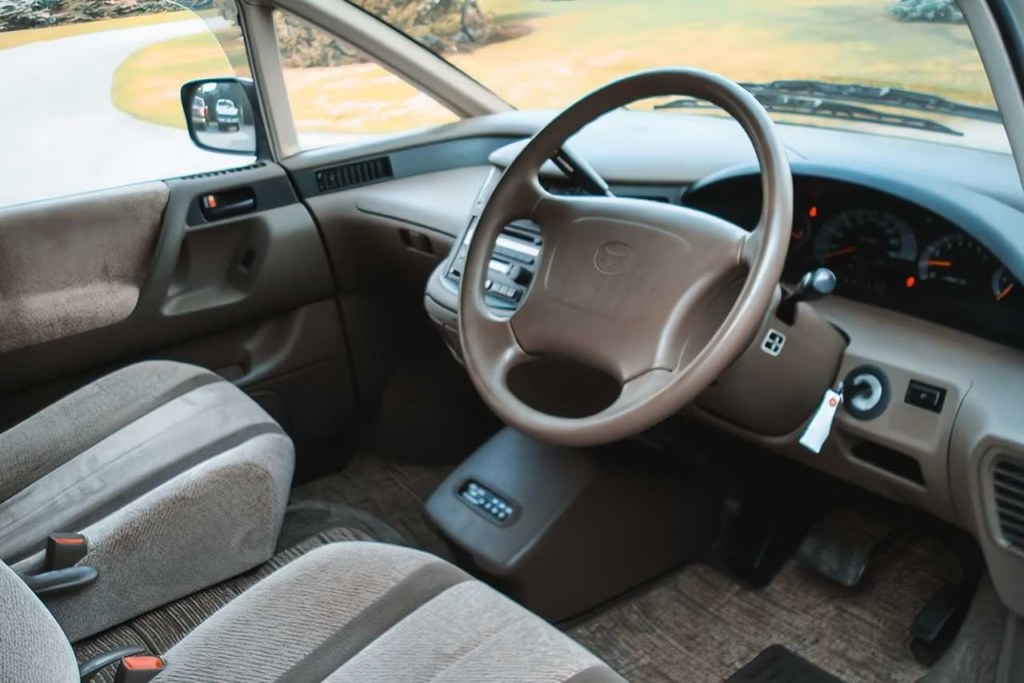
The Toyota Previa was already an unusual minivan when it debuted in the early 1990s.
Instead of the typical front-engine layout, Toyota mounted the engine under the floor, giving the van its distinctive egg-shaped design and surprisingly spacious cabin.
But in some higher-end versions of the Japanese-market Toyota Estima, buyers could even option a small coolbox refrigerator or an icemaker inside the cabin.
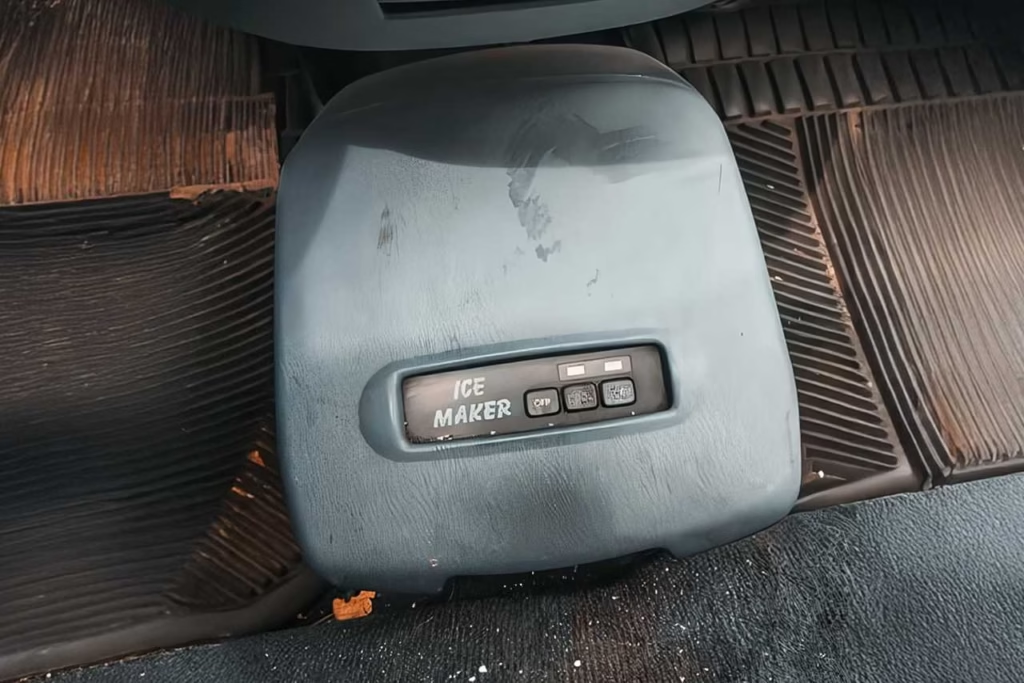
The system used the vehicle’s air-conditioning refrigerant to chill a compartment where drinks could be kept cold and in some setups, it can even freeze small ice trays.
It’s the kind of feature you’d expect in a luxury sedan rather than a family minivan.
And because it was only available on certain trims overseas, many people never realized the Previa was capable of it, making it exactly the sort of detail you’d only discover when someone casually says: “Oh yeah, this van can chill drinks and make ice cubes.”
Toyota Crown: The Executive Lounge
In the Philippines, the S130 Toyota Crown was the definitive “Big Boss” car. While luxury rivals focused on status, the Crown focused on making sure the person in the back seat was as comfortable as possible.
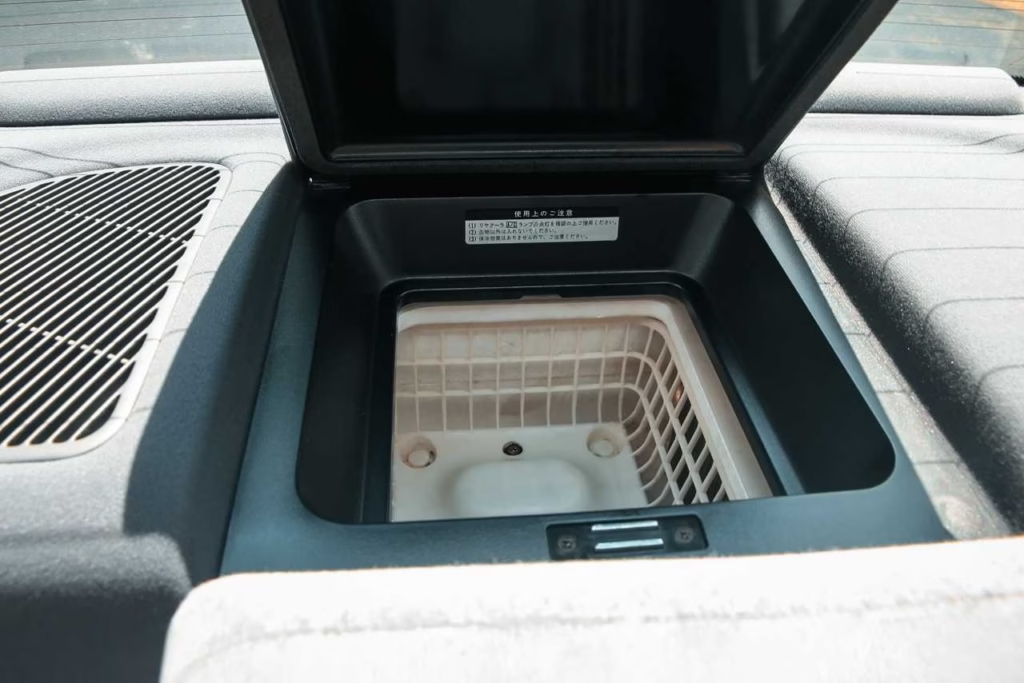
Photo Source: https://jdmimportautocenter.com/products/jdm-rare-1992-toyota-crown-royal-saloon-limosuine-right-hand-drive
Its most iconic feature was a built-in refrigerated cool box mounted on the rear parcel shelf between the speakers.
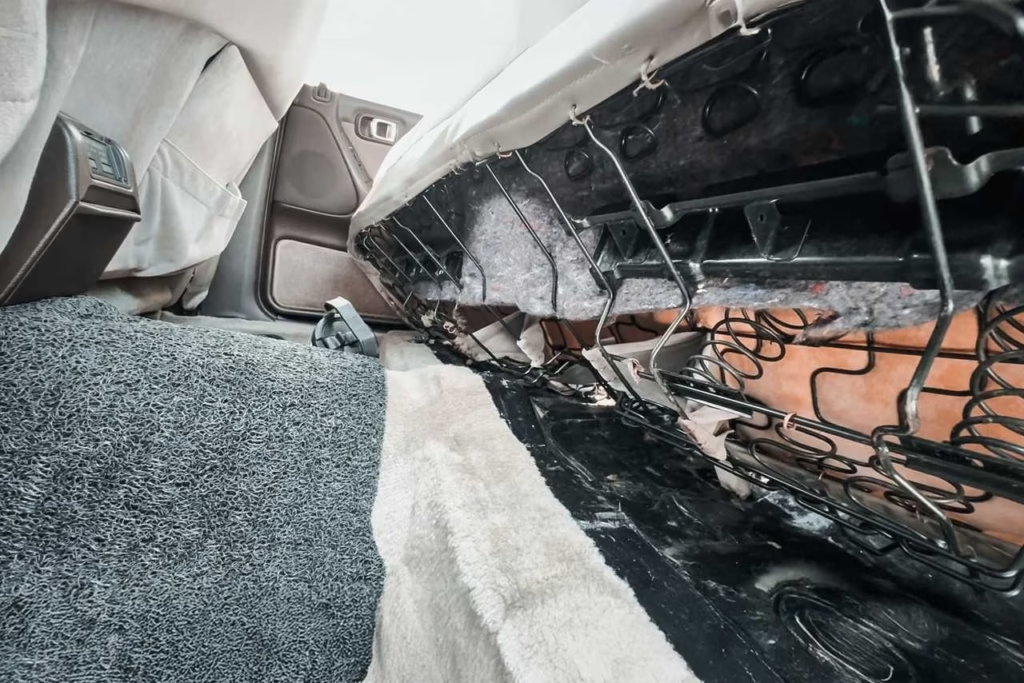
But the executive treatment didn’t stop there. To guarantee a “cloud-like” ride, Toyota built physical springs into the rear seats, making them feel more like a living room sofa than a car seat.
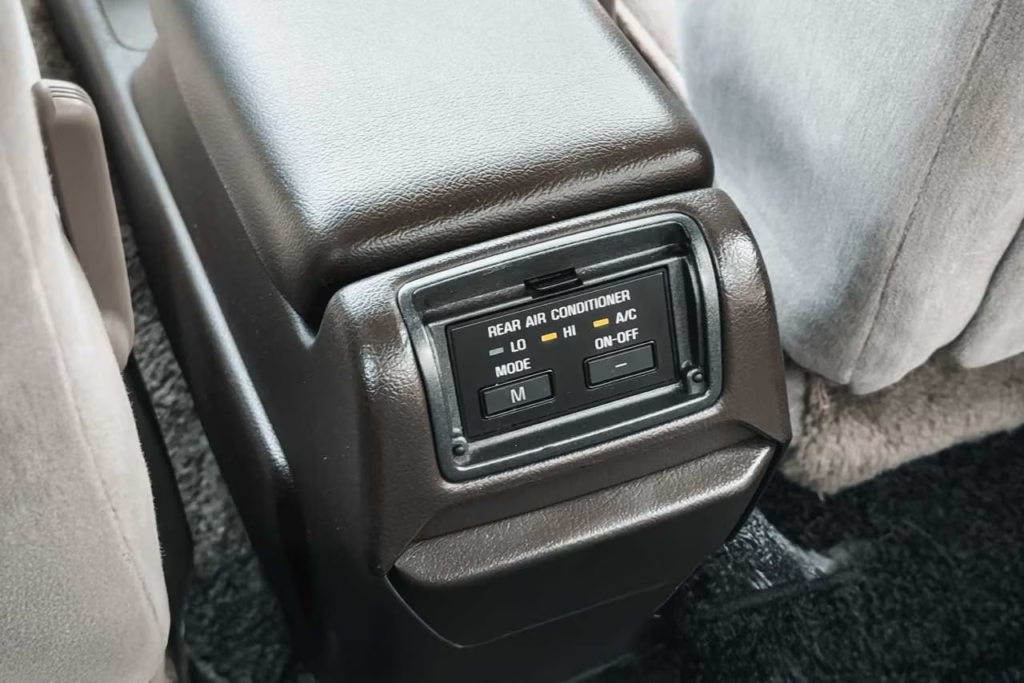
It even featured dedicated rear A/C controls, very surprising for a ‘90s car, allowing the passenger to adjust the fan speed and temperature for the back of the cabin independently from the driver.
Honda Jazz: The Master of Space
The Honda Fit or in other markets, Honda Jazz quietly revolutionized interior packaging.
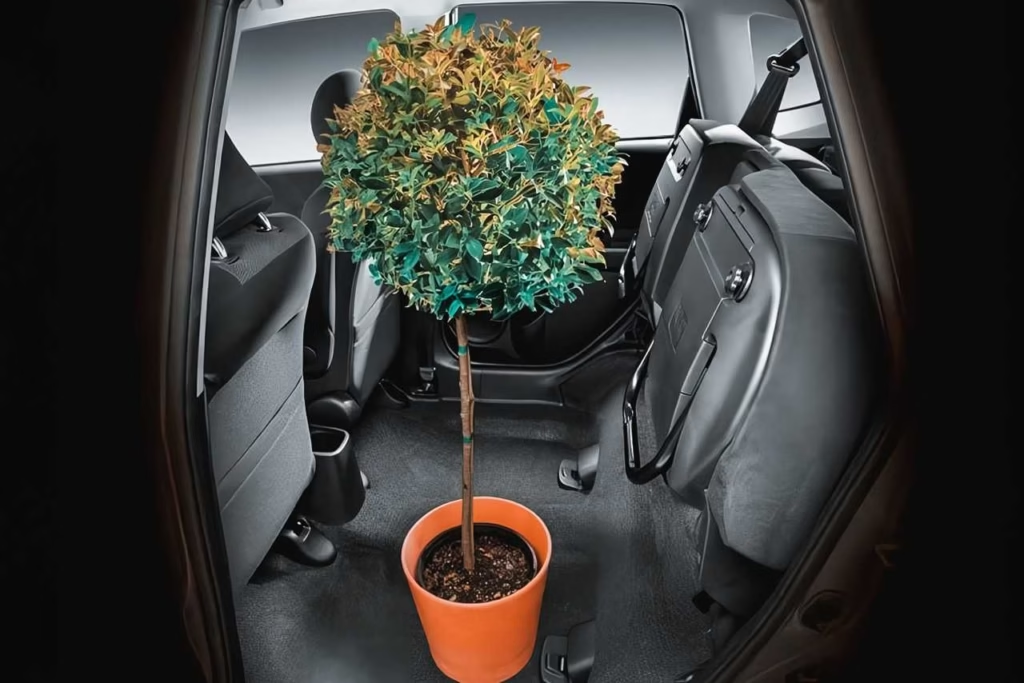
Its Magic Seat system allowed the rear seats to fold flat, flip upward, or split into multiple configurations. Tall plants, bicycles, a big flat-screen TV. The little hatchback could suddenly carry things you’d normally expect from a much larger vehicle.
It was a masterclass in clever design hiding inside a compact car, and even today the feature remains one of the reasons enthusiasts still miss the Jazz after Honda discontinued it in the Philippines.
The Honda City That Came With Its Own Motorcycle
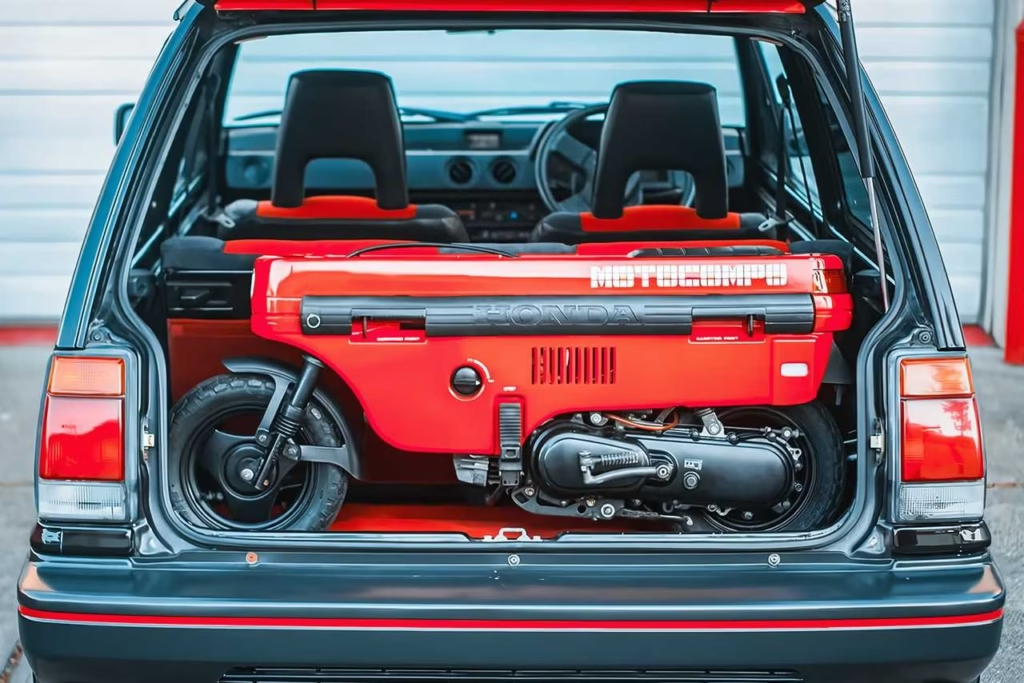
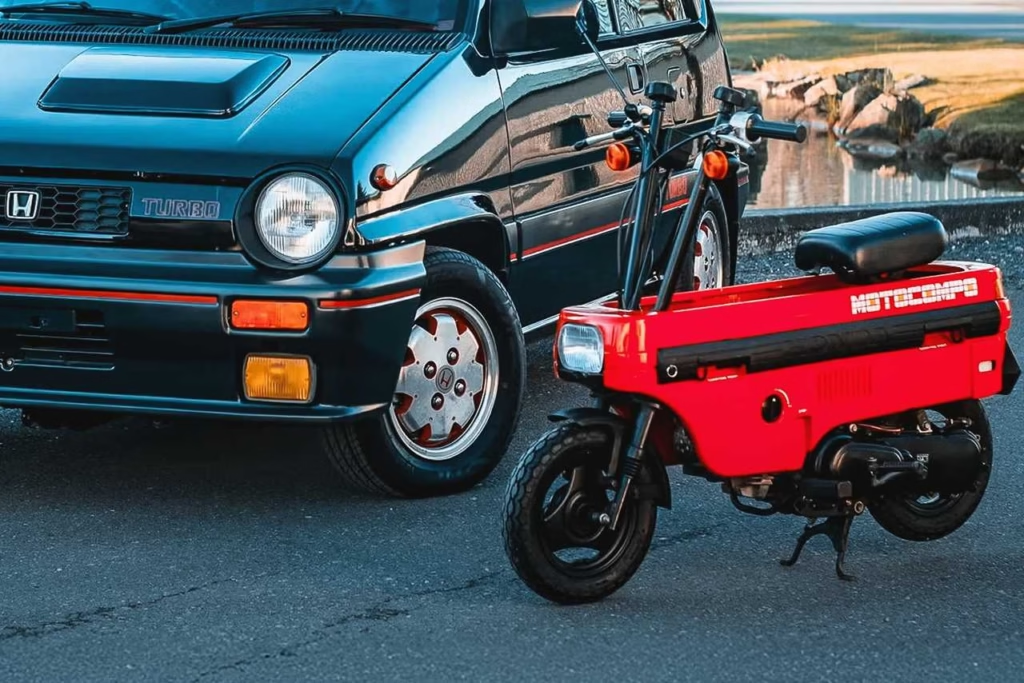
In the early 1980s, Honda solved the “last-mile” commute problem in the most literal way possible. When you bought a Honda City hatchback, you could opt for an option that wasn’t just a floor mat or a roof rack, it was an entire motorized vehicle.
Enter the Honda Motocompo, a 50cc folding scooter designed specifically to fit into the City’s trunk. The car’s luggage compartment was actually developed around the scooter’s dimensions. The handlebars, seat, and footpegs all folded flush into its rectangular body, turning it into “suitcase” that sat perfectly in the back.
The idea was brilliant: you’d drive your car to the edge of a congested city, park, and then “unfold” your scooter to zip through traffic to your office. While it was only sold in Japan, it has since become a global cult icon.
Saab’s Night Panel

One of Saab’s most distinctive features wasn’t visible until you pressed a single button.
In cars like the Saab 9-5 and 9-3, activating the Night Panel would instantly black out the dashboard, leaving only the speedometer illuminated.
The idea came directly from Saab’s aviation heritage. Fighter pilots often dim unnecessary instruments at night to reduce distractions and improve focus during high-speed maneuvers. Saab applied that same logic to the road: if you don’t need to see your fuel level or engine temp right now, why have them glowing in your face?
The system was also surprisingly “smart.” If you started to run low on gas, or if the engine began to overheat, the relevant gauge would automatically wake up and light back up to grab your attention.
It was a masterclass in driver-centric engineering. Thoughtful, unconventional, and designed to make a dark highway feel like an open sky.
Mitsubishi Delica’s “Crystal Lite” Roof
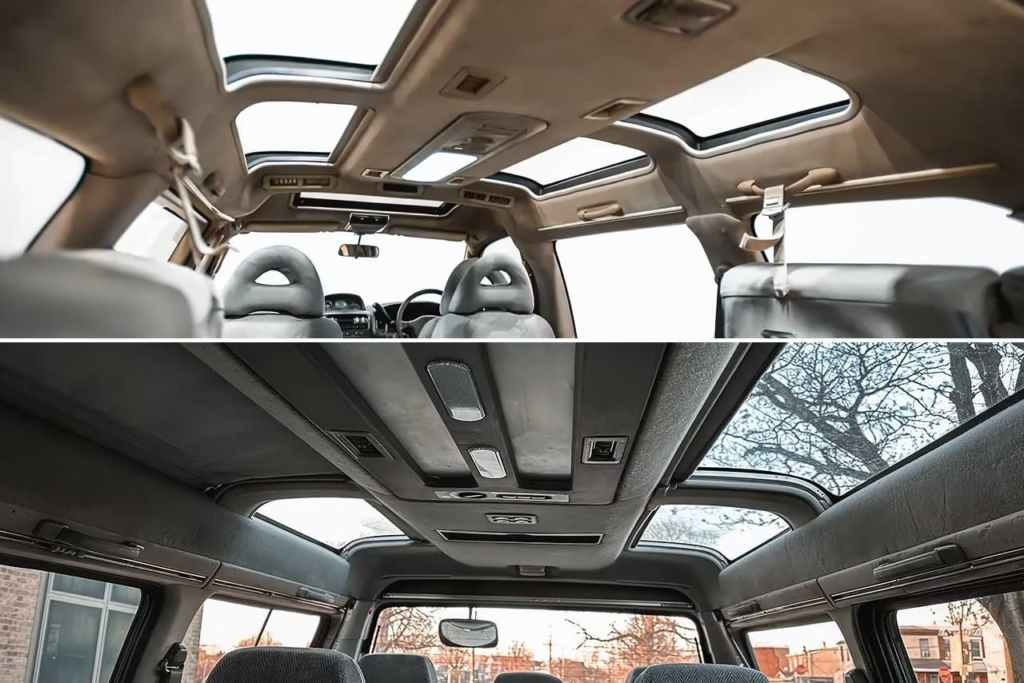
The Mitsubishi L300 and L400 Delicas were already a legend for being a 4×4 van that could actually climb mountains. But for those who opted for the high-end Exceed or Super Exceed trims, the experience was less like a rugged truck and more like a mobile observatory.
Rather than your standard sun/moonroof, the Crystal Lite Roof featured a massive panoramic glass assembly over the rear passenger cabin. It gave everyone in the back a wide-angle view of the sky, turning a simple road trip into an immersive outdoor experience.
But Mitsubishi knew that all that glass could turn the cabin into an oven. To manage the heat, they included electronically operated UV shades that would slide shut at the touch of a button. At night, the experience changes. The roof featured specialized fluorescent lighting with multiple dimming modes, allowing you to set the perfect mood while staring at the stars. It was a top-tier luxury feature hidden inside one of the toughest vans ever built.
Whether it’s a hidden picnic table or a dashboard inspired by a fighter jet, these features remind us that cars can be more than just a way to get from point A to point B. The best engineering isn’t always about the fastest 0–60 time or the biggest touchscreens; sometimes, it’s about the quiet, clever details that make you smile every time you use them.