

- Understanding the Origin: Strict Shaken inspections and taxes in Japan, combined with Freeport loopholes in places like Subic and Cagayan, created a pipeline that brought surplus JDM vehicles into the Philippines, many requiring conversion to be used locally.
- Spotting the Shortcuts: A guide to identifying a conversion, from “flipped” wipers and mirrored stalks to structural welding risks.
- The Paperwork: Matching chassis numbers, details, and confirming tax payments are essential steps to ensure the car is legally registered and worth buying.
You’re scrolling through Facebook Marketplace, looking for a new project car, and then you see it.
You’re either picking a Mitsubishi Pajero Exceed that has better features than the local Fieldmaster or a Nissan Silvia S15. You know for a fact that these models were never sold in the Philippine market, yet here it is, listed for a price that’s too good to pass on. You look closer at the photos and notice the license plate starts with either a B, R, or maybe a Y.
For a split second, you think you’ve found a hidden gem. But in many cases, you’re looking at a converted grey import—a vehicle born as a Right-Hand Drive (RHD) unit in a foreign market and modified to a Left-Hand Drive (LHD) layout to be used on our roads.
These units usually begin their life in the ports of Subic, Cagayan, or Manila. While I’m not saying you should never buy one, you absolutely need to know exactly what you’re getting into. Because sometimes, what looks like your next dream car might be a regret waiting to happen.
Why Are These Cars Even Here?
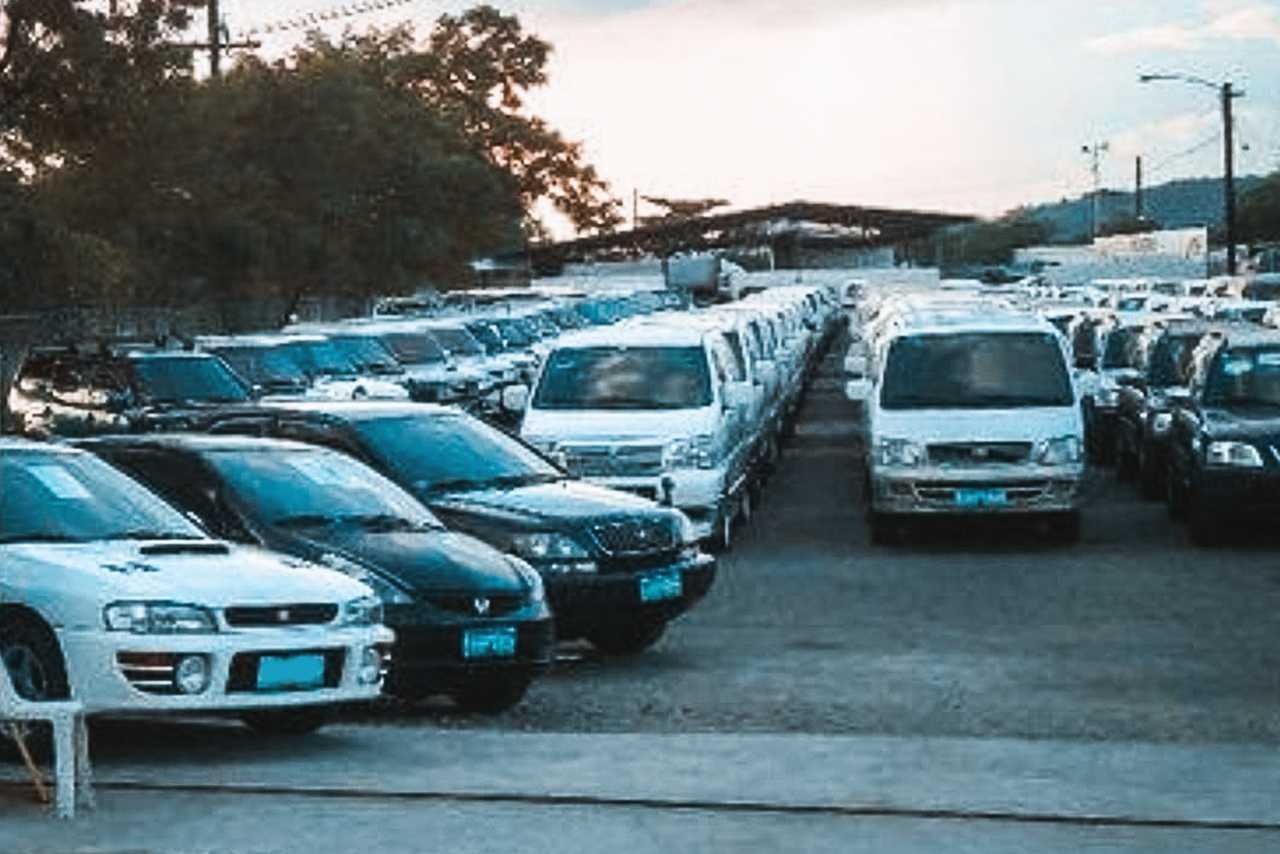
Photo Source: https://www.instagram.com/p/CTERPZWlB8U/
Most of the cars you see are Japanese surplus, and their journey to the Philippines starts with a very strict set of rules in Japan. The Japanese vehicle inspection, known as Shaken(車検), is incredibly rigorous and becomes progressively more expensive as a car gets older. By the time a car hits its fifth or seventh year, it’s often cheaper for a Japanese car owner to buy a brand-new car than to pay for taxes or repairs needed to pass the inspection.
This created a massive supply of high-quality, often low-mileage cars that Japan simply didn’t want anymore. These units were sold at auctions, scrapyards, and used car lots where importers from around the world saw a golden opportunity.
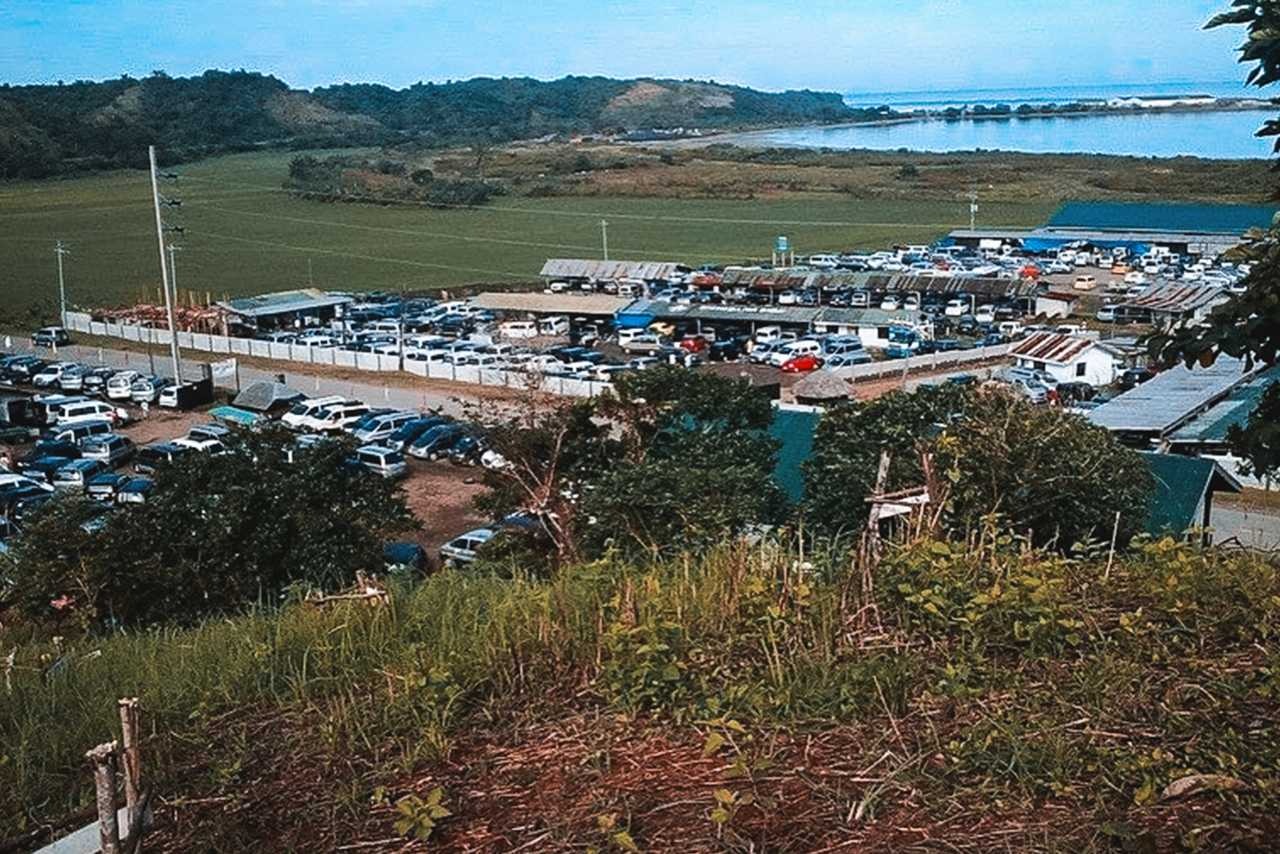
Photo Source: https://www.instagram.com/p/COMtYjHFArM/?img_index=2
The gateway for these cars in the Philippines started in 1995, when President Fidel V. Ramos signed Republic Act No. 7922, establishing the Cagayan Special Economic Zone and Freeport and creating the Cagayan Economic Zone Authority (CEZA) to administer it.
The goal of RA 7922 was to transform Northern Luzon into a major hub for trade, investment, and economic development. However, the creation of a Freeport introduced a special regulatory and customs environment, allowing goods, including vehicles, to enter under different rules than the rest of the country. Because the zone operated under the authority of CEZA and its own administrative framework, importers were able to bring in surplus vehicles through Port Irene, located within the Freeport.
This ultimately turned Port Irene into one of the primary entry points for Japanese surplus vehicles, where anything from Kei cars to JDM icons never officially sold in the Philippine market could pass through before making their way onto local roads.
It wasn’t long before other ports followed. Subic Bay (SBMA) had already been testing these waters after the Americans left in 1992, and Cebu quickly emerged as the shipping heart of the Visayas for Japanese surplus. This is why you’ll see specific plate prefixes associated with these units today. If you’re browsing a listing and see the iconic B plate (Cagayan), an R plate (Subic), or a Y plate (Cebu), you are looking at a car that was once a Right-Hand Drive (RHD) unit.
However, it is important to note that a plate prefix is not an automatic indictment. There are plenty of legitimate, locally sold cars registered in these regions that also carry B, R, Y, K, M, and many other plates. For example, a Toyota Hilux bought from a dealership in Cagayan will naturally have a B plate. The plate is simply a reason to look closer, not a reason to walk away immediately. If it’s a car that was never officially sold in the Philippines and it has one of these plates, that’s when you should start checking further.
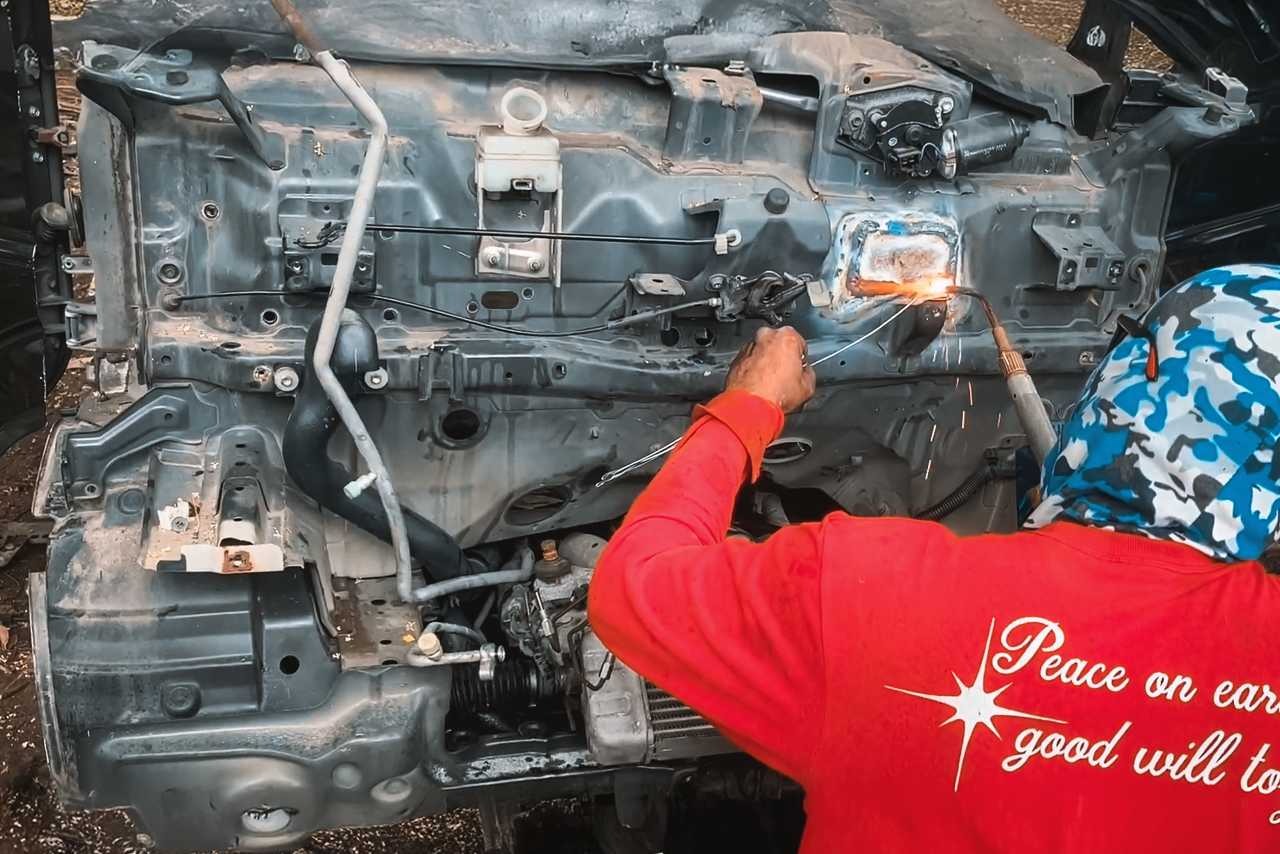
Photo Source: https://www.youtube.com/watch?v=mMBboLqEUN8&t=175s
For these cars to be legal on Philippine roads, they must undergo conversion from RHD to LHD. But this is where it gets risky. The conversion process is often unregulated and done as cheaply as possible to maximize profit.
It is worth noting however that not every car from these ports is converted. In Japan, owning a Left-Hand Drive European car like a Mercedes-Benz or a BMW is a status symbol. Some units arrived in our ports already in LHD configuration, so nothing needs to be done.
But for the majority of the JDM-spec vehicles, they had to go through the conversion process with varying levels of skill. The quality of these conversions is a total gamble, which is why you should know how to spot the tell-tale signs before you buy. By knowing what to look for, you can decide if the shortcuts taken are minor enough that you can try and fix them yourself, or if the car isn’t worth the trouble.
What to Look For
Wiper Direction
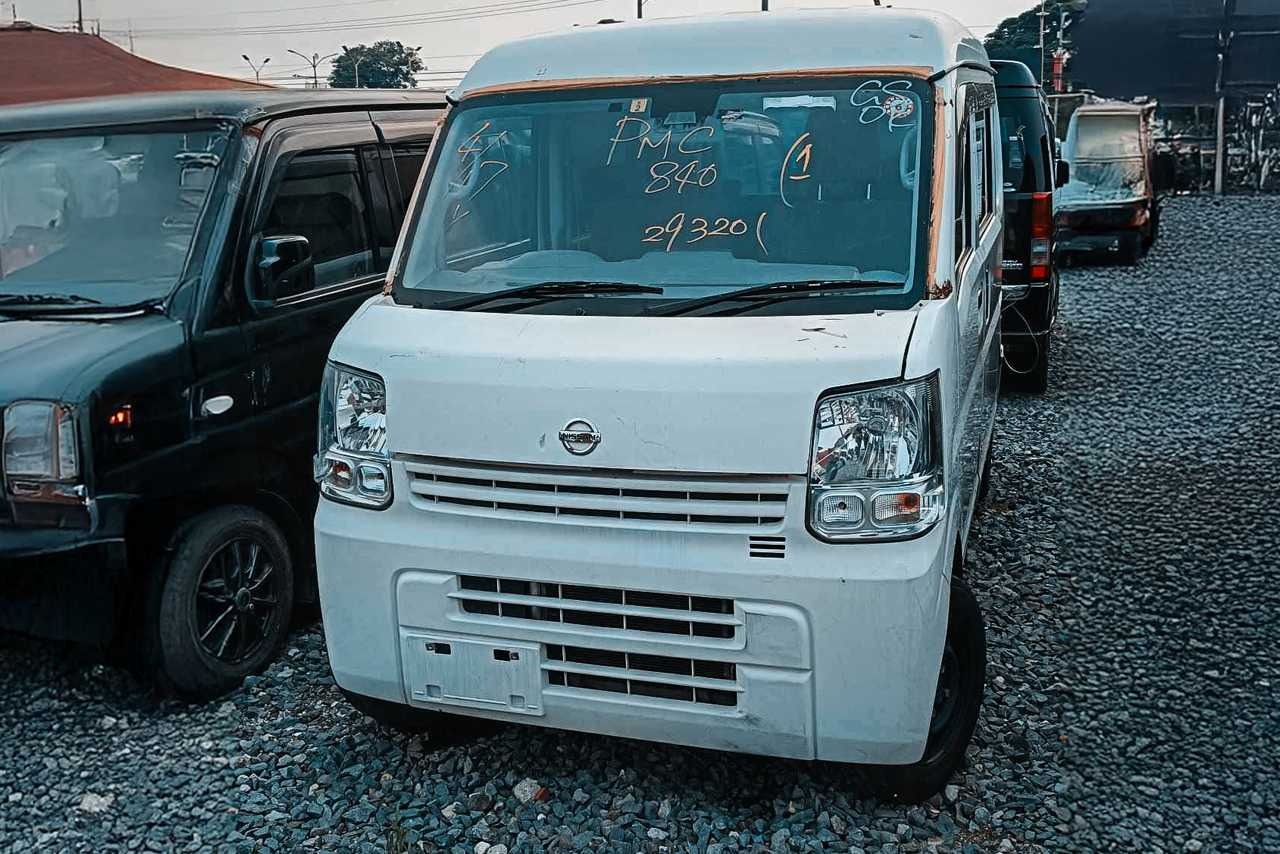
This is one of the most common shortcuts because properly “flipping” the wiper system is either expensive and labor-intensive. In a native RHD car, the wipers swing from left to right. On some converted units where they skipped this process, the wipers still swing exactly as they did when the car was still RHD.
Signal Stalks
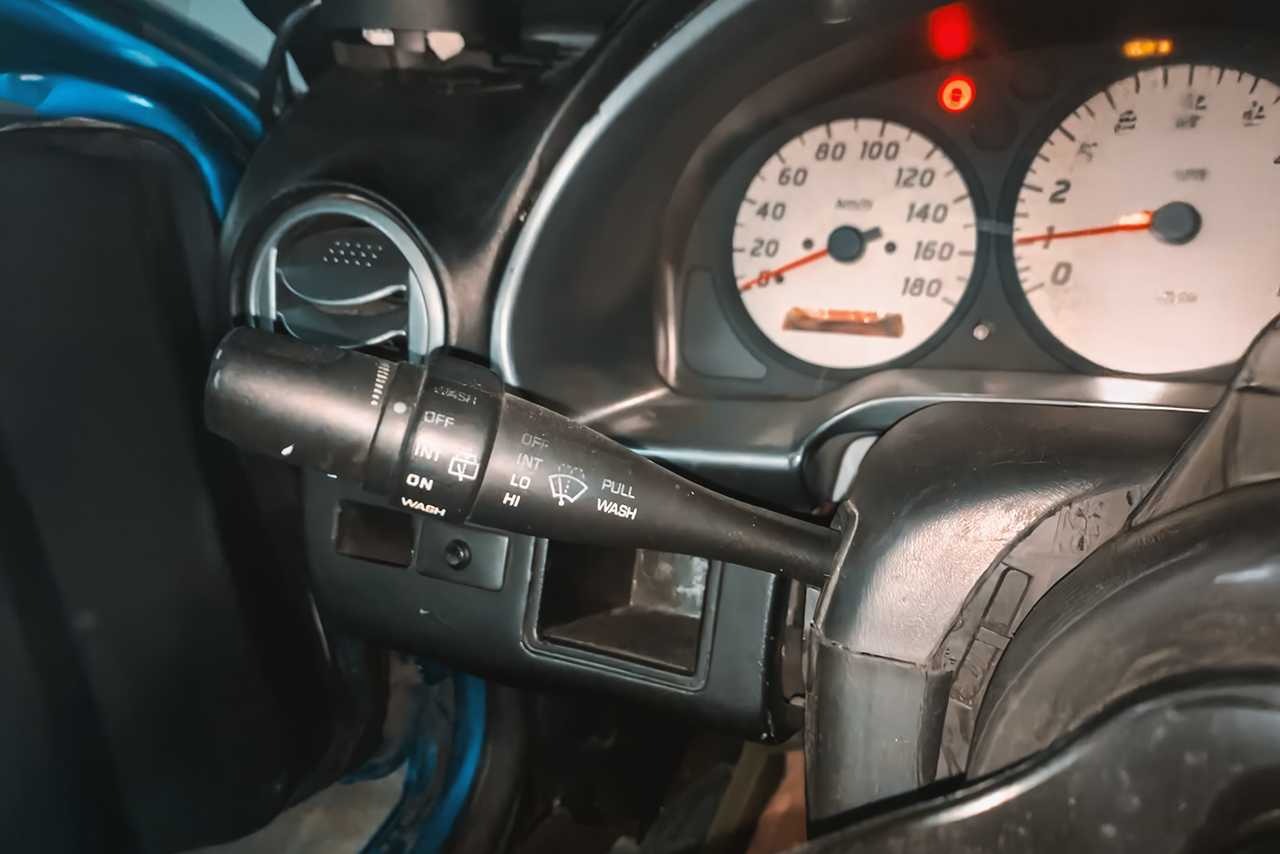
Photo By: Fran Arroyo
Easily one of the tell-tale signs: in RHD cars, the turn signal stalk is on the right side of the steering wheel. I personally experienced this once when I borrowed a friend’s Toyota Altezza where I used my left hand and turned on the wipers instead of the signal light. This is something you can try and fix by finding the LHD stalks from a local or USDM unit.
Side Mirrors
Photos by: Franklin Lu
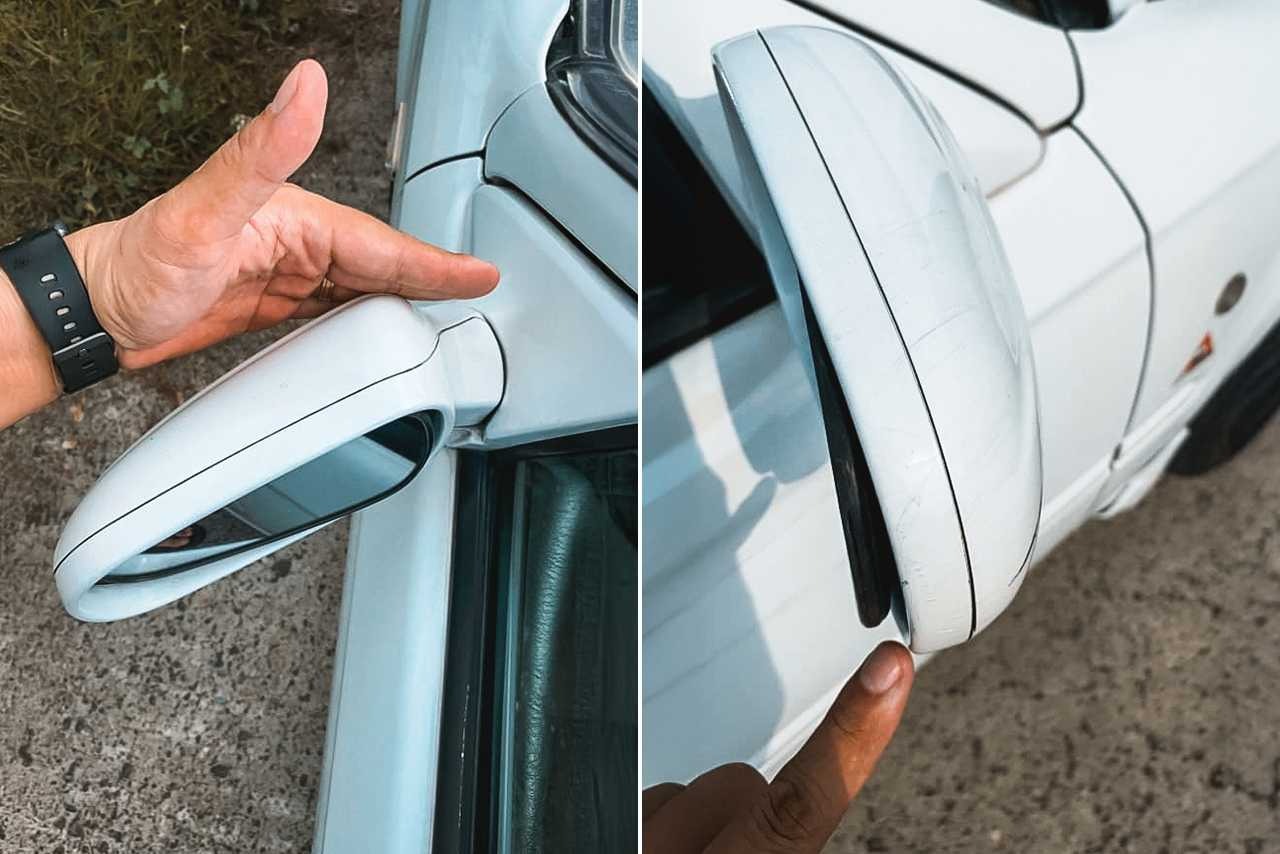
Side mirrors are angled differently for RHD and LHD layouts. When you try to adjust one from a converted unit, the driver’s side mirror won’t tilt far enough outward, leaving you with a permanent blind spot. This is a common frustration for owners of converted cars, you can try and fix this by swapping out the mirror or finding a pair from a LHD model of the same car.
Dead Pedal on Passenger Side
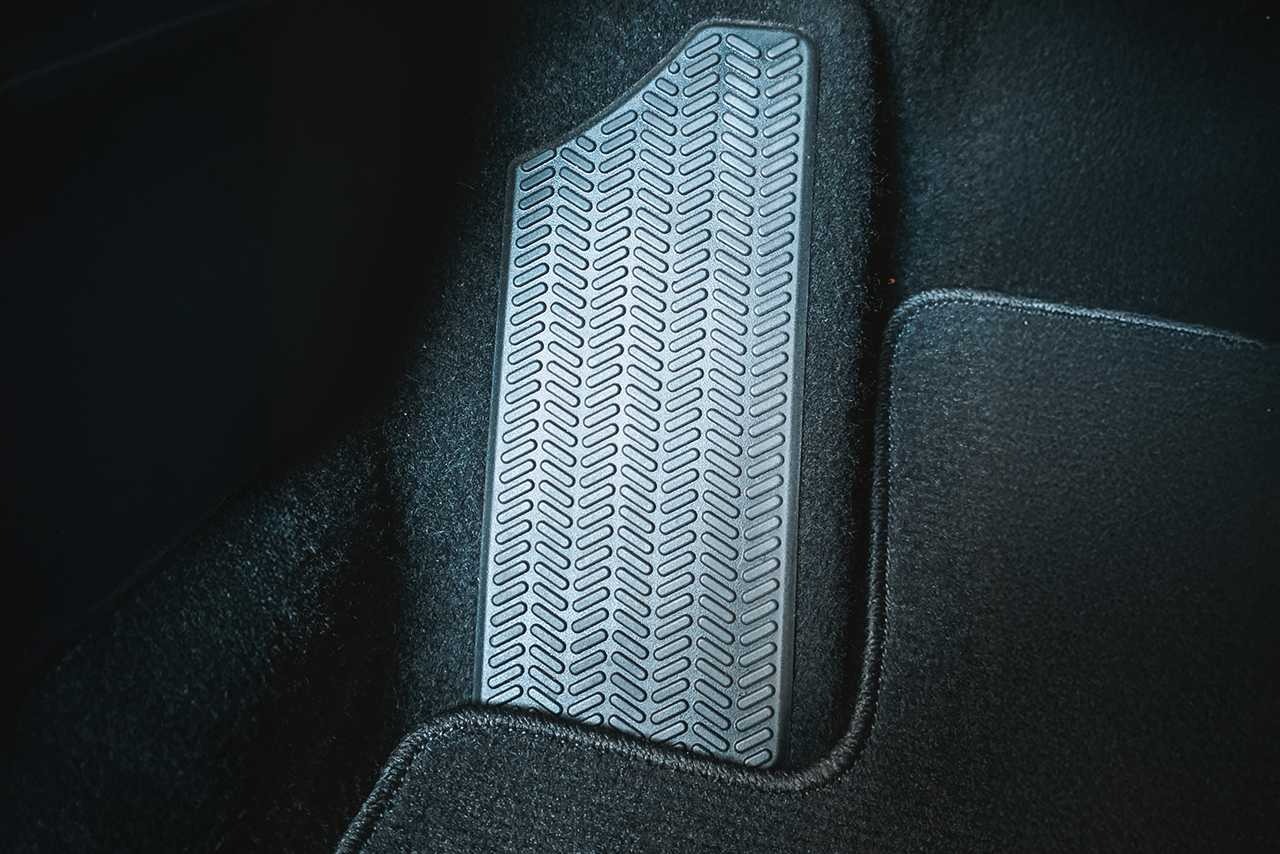
Every car, regardless of where the steering wheel is located, comes with a dead pedal or the footrest. However, during the conversion process, this footrest almost always stays on the passenger side because it is often molded into the chassis or the carpet.
Dashboards and Electronics
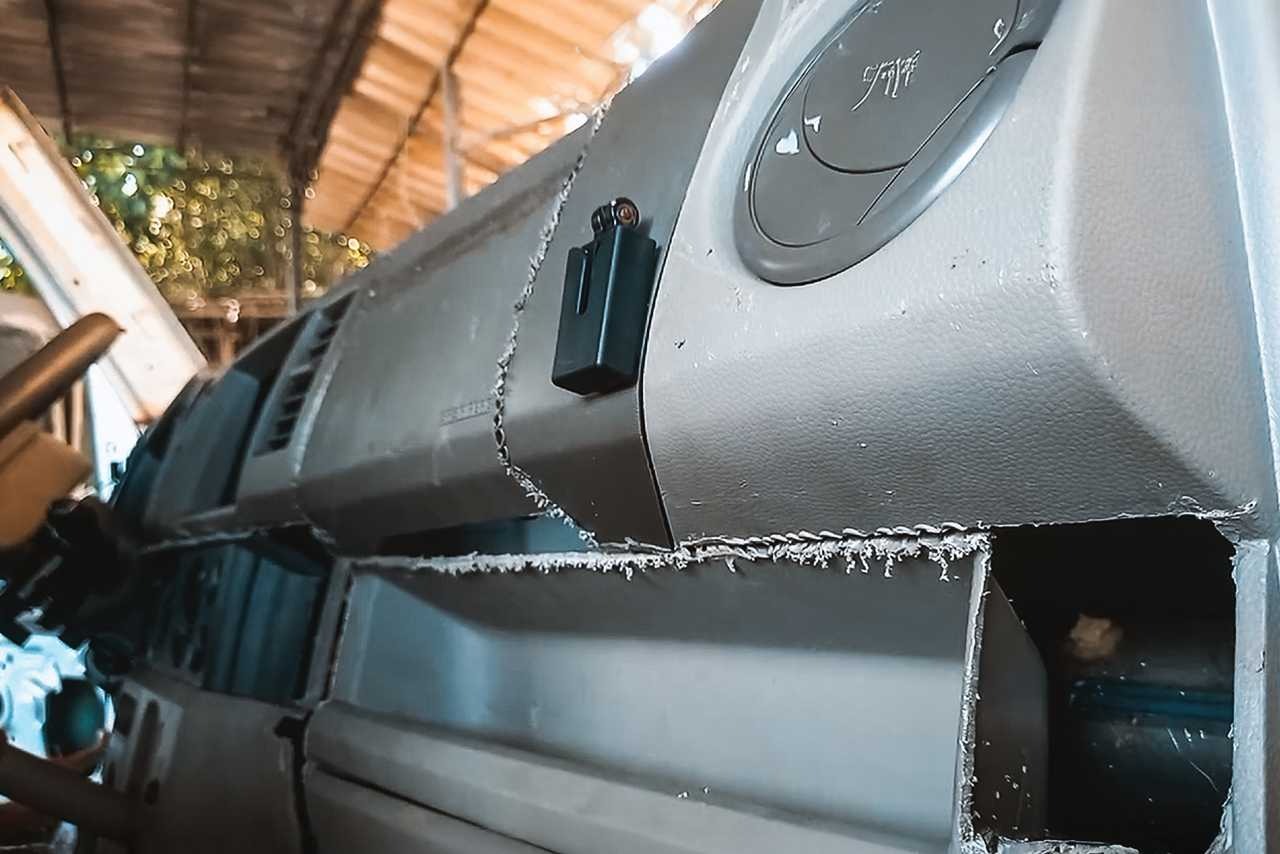
Photo Source: https://www.youtube.com/watch?v=M8Qfd7py2ck
For cars that have no LHD equivalent, the dashboard situation becomes a real test of the shop’s creativity. Most often than not, they just hack the dashboard and rejoin it, cutting it into sections to flip the cluster and glovebox. Usually this comes at the cost, where at times your other AC modes suddenly don’t work or your glovebox doesn’t close properly. In cars like the Mitsubishi Lancer Evolution 4, 5, and 6, the AC vents had to be inverted just to properly fit.
Beyond the dash itself, the electronics will of course be affected because the entire wiring harness has to be stretched, spliced, or completely re-soldered to reach the new control positions.
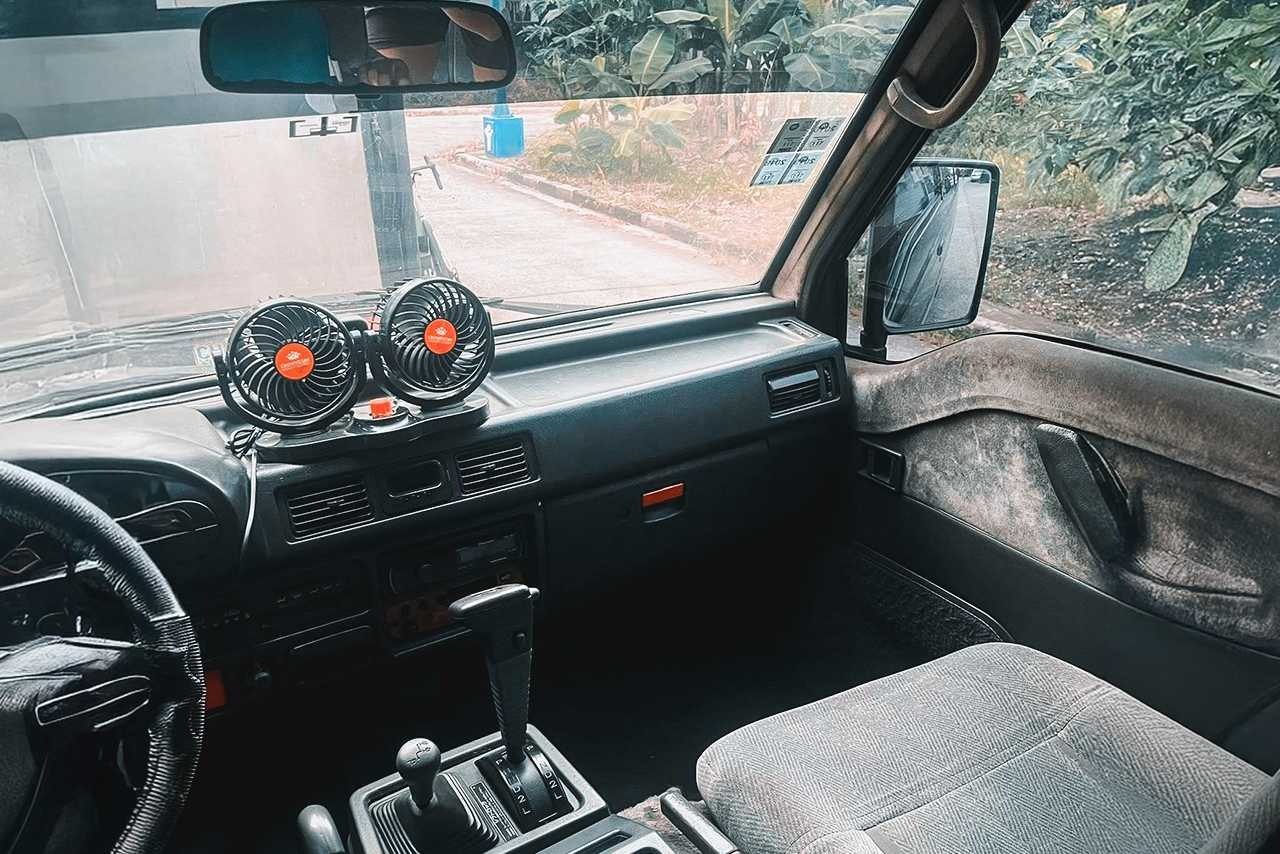
Photo Source: https://www.facebook.com/groups/967031217453498/permalink/2142563939900214
You should also look at the center console. In most cases where the handbrake location is dependent on the original layout, it stays on the right-hand side. The shifter is another dead giveaway, very evident on cars like the Mitsubishi Delica where the lever remains positioned toward the right side. While some owners try to fix these ergonomic issues by sourcing parts from local LHD models, like swapping a Delica dash for a Hyundai Grace, many conversions are simply left with these awkward, “hacked” configurations.
Steering Column and Steering Rack & Pinion
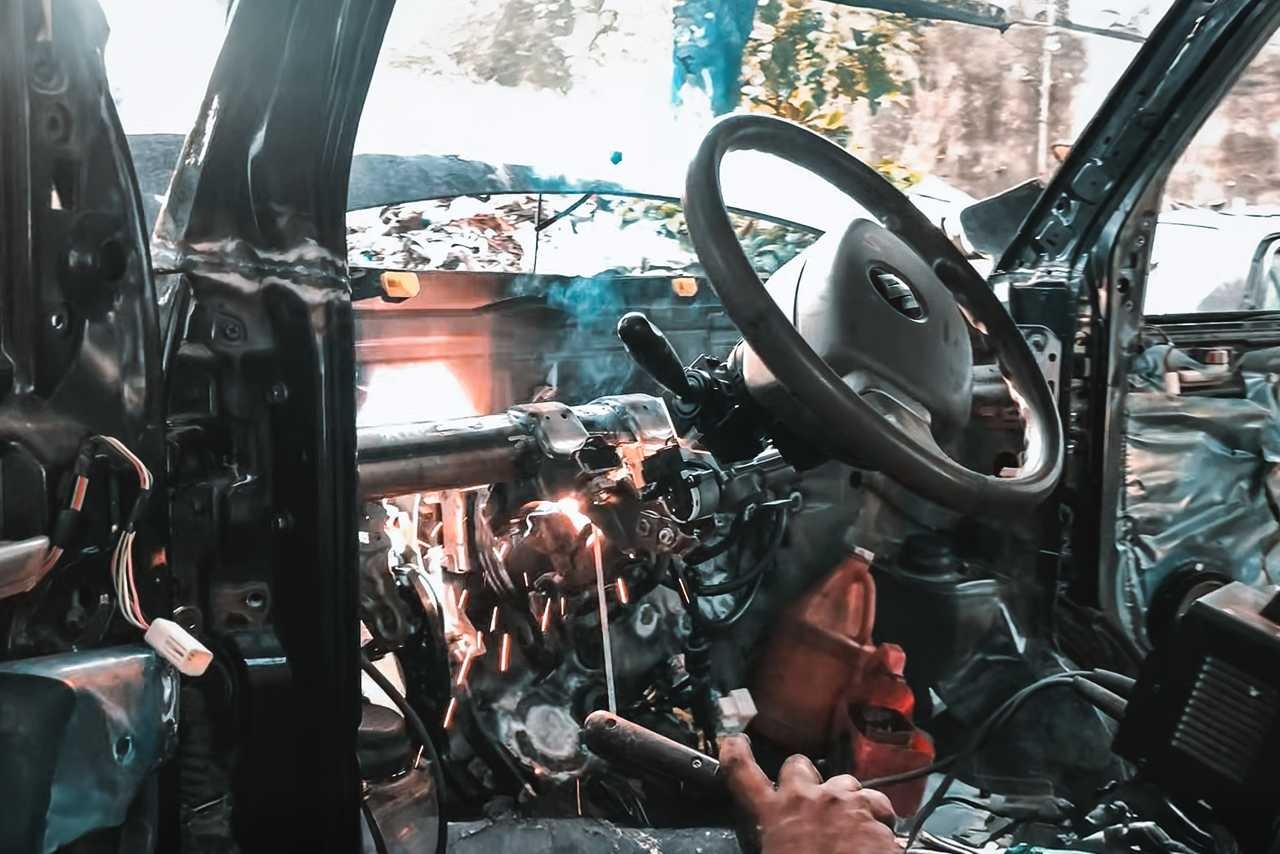
Photo Source: https://www.youtube.com/watch?v=6SHiAWA7w-g
The way the steering is relocated is often the most dangerous part of a conversion. For converted Evos, shops usually invert the rack and pinion to make it work. For other models, they might source steering components from different vehicles, but the quality of the installation varies wildly.
To make this possible, the shops make new holes in the firewall to relocate the brake booster, steering column, wiring, and pedals. On some cars, the previous places where those components used to be are welded shut or used to route other parts of the conversion.
Because so much of the firewall and steering geometry had to be modified, this should be one of the first areas you inspect thoroughly. There have been cases of steering racks snapping or completely detaching while driving on the highway due to poor conversion work.
Welding
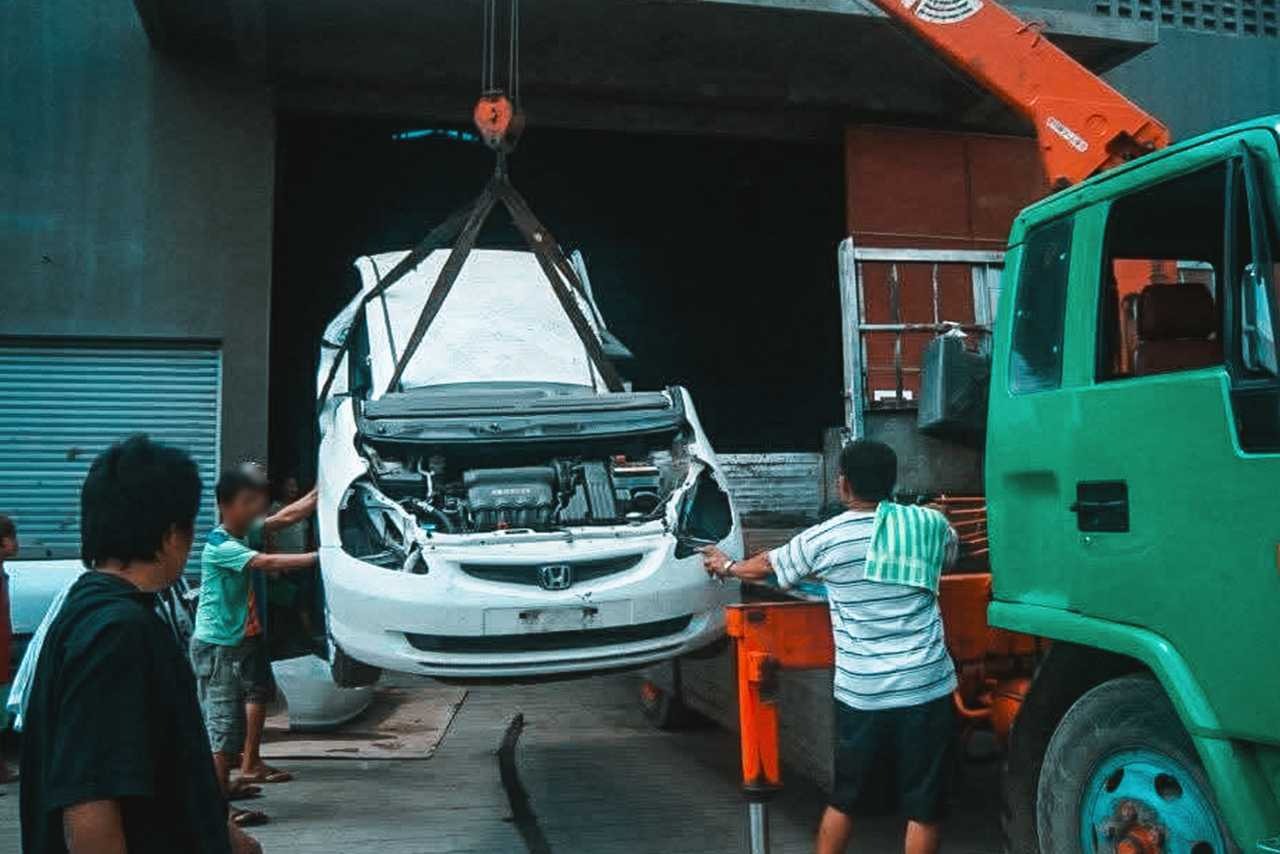
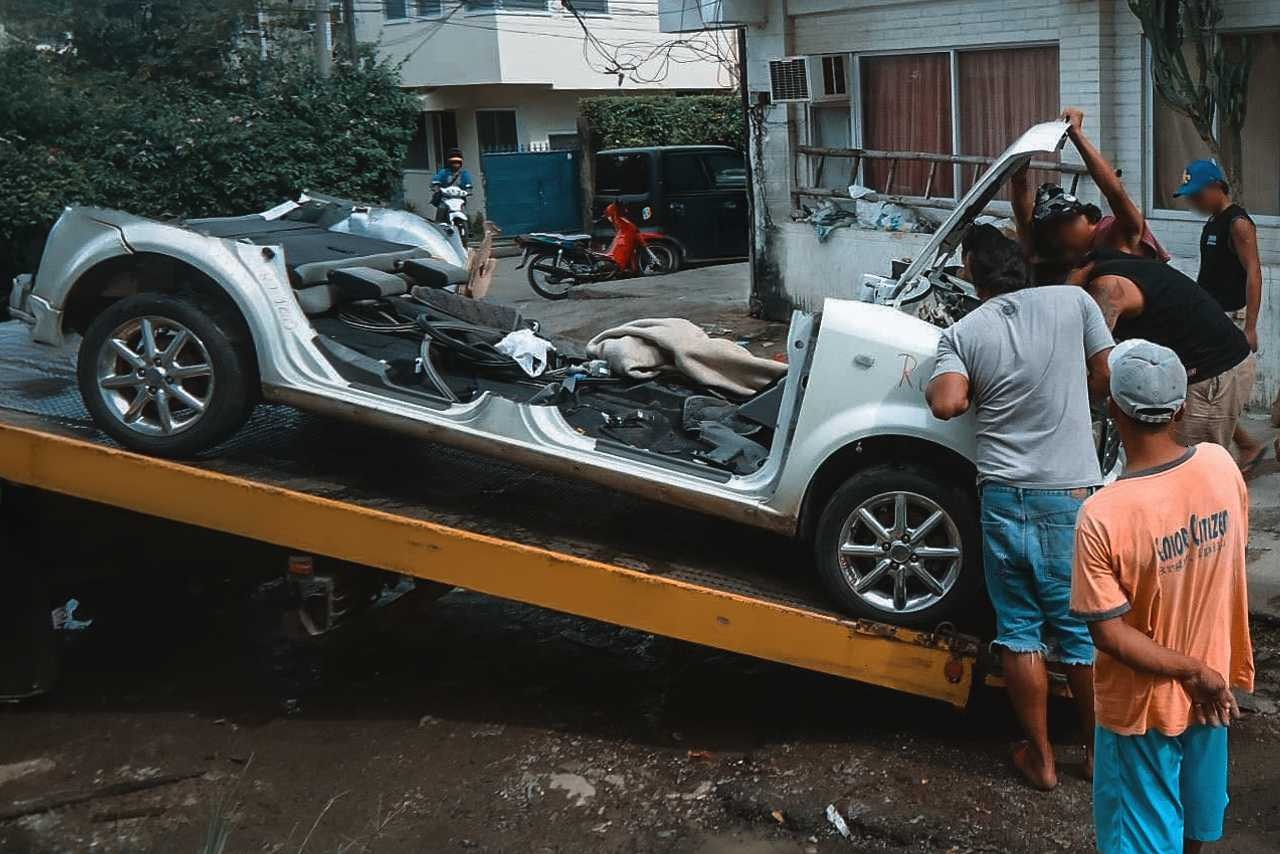
This is the most important check for any buyer because it determines if the car’s even safe to be on the road. Another way for importers to bring the cars in is by declaring them as “for parts”. This is the chop-chop method, these vehicles come as half-cuts, where the cars are literally sawn in half and then reassembled. Since this is hidden beneath paint and trim, remove interior panels and inspect the A, B, and C pillars for any signs of welding, rust or body filler along the seam lines where the metal was rejoined.
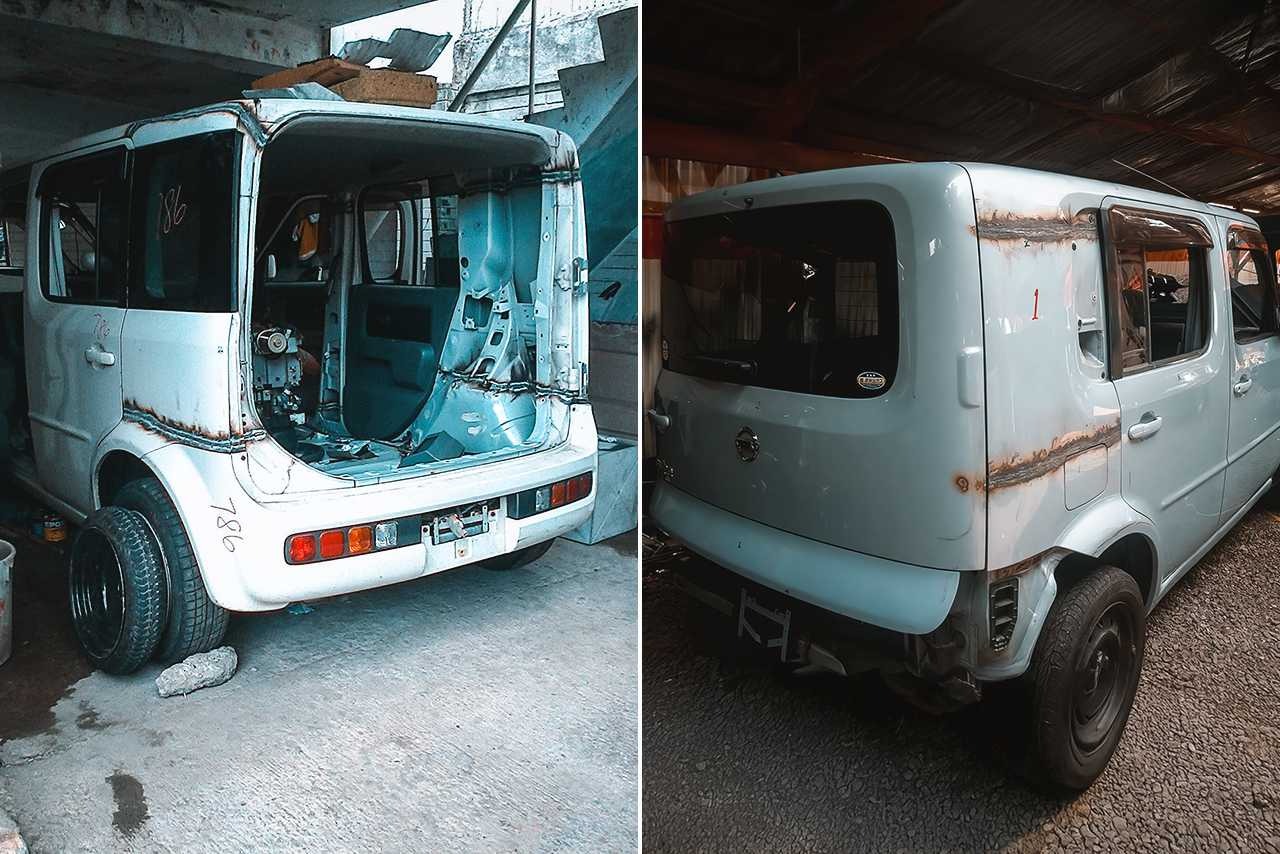
It really depends on who did the work—some reassemblies are done properly, while others clearly are not. Whether it’s a Kei Van or a JDM icon, a poorly welded chassis compromises the car’s overall rigidity. Aside from the obvious safety risks, a weak structure can lead to even more chassis flex. Over time, these welds can also fatigue and crack under the stress of normal road vibrations.
The Paperwork
Even if the unit you’re looking at is promising, the documents can tell a completely different story. In the world of grey imports, the OR and CR requires extra scrutiny because it’s your only proof of legality.
Be extremely wary of misdeclared models. On some papers, for example, a Toyota Chaser JZX100 is listed as a “Toyota Camry.” If the papers don’t match the car’s true identity, walk away. Physically verify that the engine and chassis numbers match the papers exactly. Look for tamperings, grinding marks, or fresh paint around these areas. Lastly, ensure that the taxes were fully paid by asking for the Certificate of Payment (CP), to fully ensure that the car isn’t a legal or financial liability. Without this proof that duties were settled, you risk the government seizing the vehicle.
Does This Still Happen Today?
The short answer is yes.
While Port Irene has quieted down following various Supreme Court rulings and Executive Orders (like EO 156 and 877-A), the trade hasn’t stopped. If you visit Port Irene today, you’ll still see the remnants of that golden era. Some cars were crushed by the government, some were saved by people buying them up, and many more are still rotting there in the port.
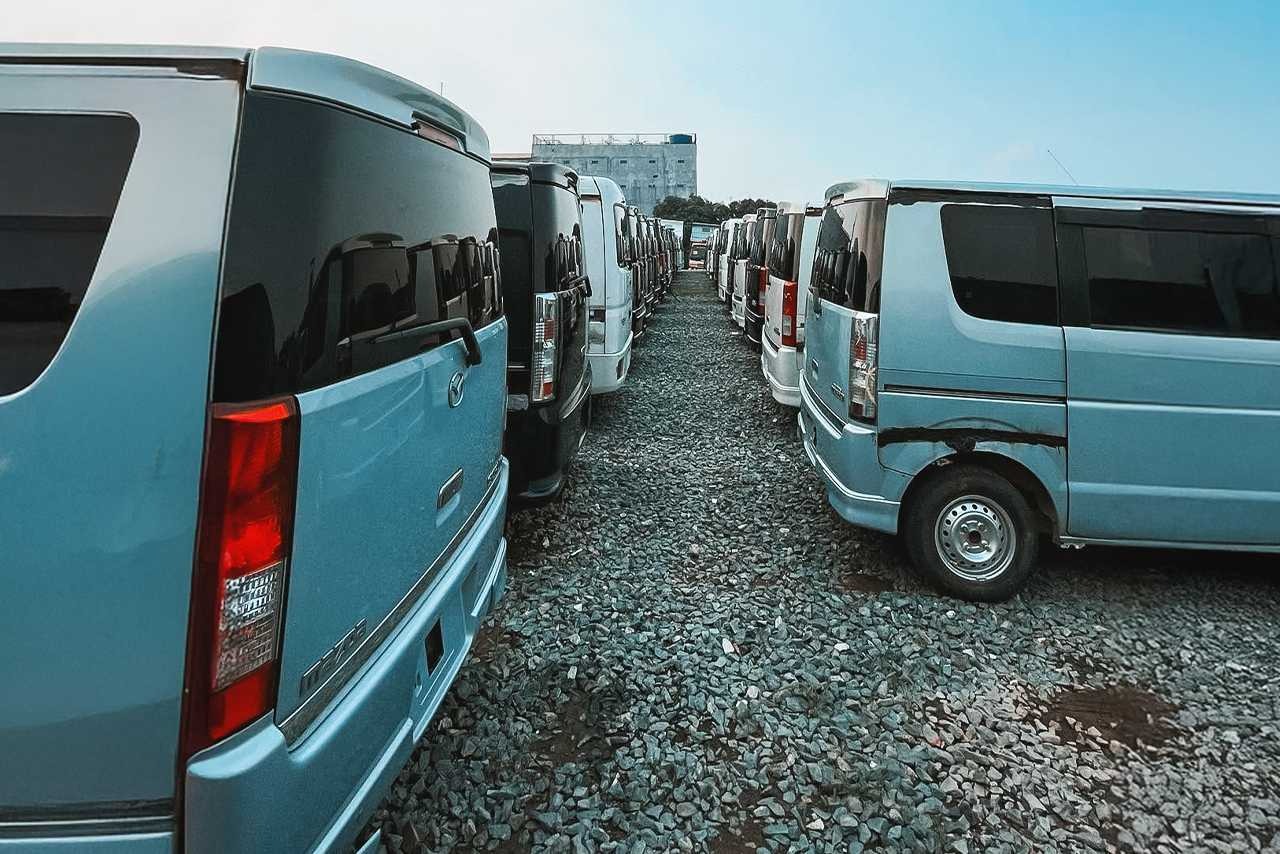
Today, the “spare parts” loophole remains the primary method for bringing these vehicles in. Cars arrive as half-cuts and later reassembled in talyers. This is why you’ll still see these Suzuki Every Wagons or Multicabs with K (Northern Mindanao) and M(SOCCSKARGEN) plates on the road today.
There is also the matter of outright smuggling, though the methods used today are far more discreet. While I cannot disclose exactly how these cars slipped into the country, the end result is often a vehicle with questionable papers or plate numbers.
Should You Buy One?
I’m not saying you should never buy a converted car. For many of us, these grey imports are the only way to own the JDM icons we grew up seeing in movies and video games. But you absolutely need to know exactly what you’re getting into.
The reality is that buying a converted car is always a gamble; most of these grey imports will guarantee that there will always be a combination of the list above. But if you know what to expect, and have the patience to properly fix the issues, then go for it. It definitely won’t be easy; you’re taking on a project that requires a lot of patience, money, research, and a keen eye for detail to get right.
Whether it’s a weekend toy or a daily driver, the goal of this list isn’t to discourage you from buying a converted car, but to make sure you know exactly what to expect when you get behind the wheel.