

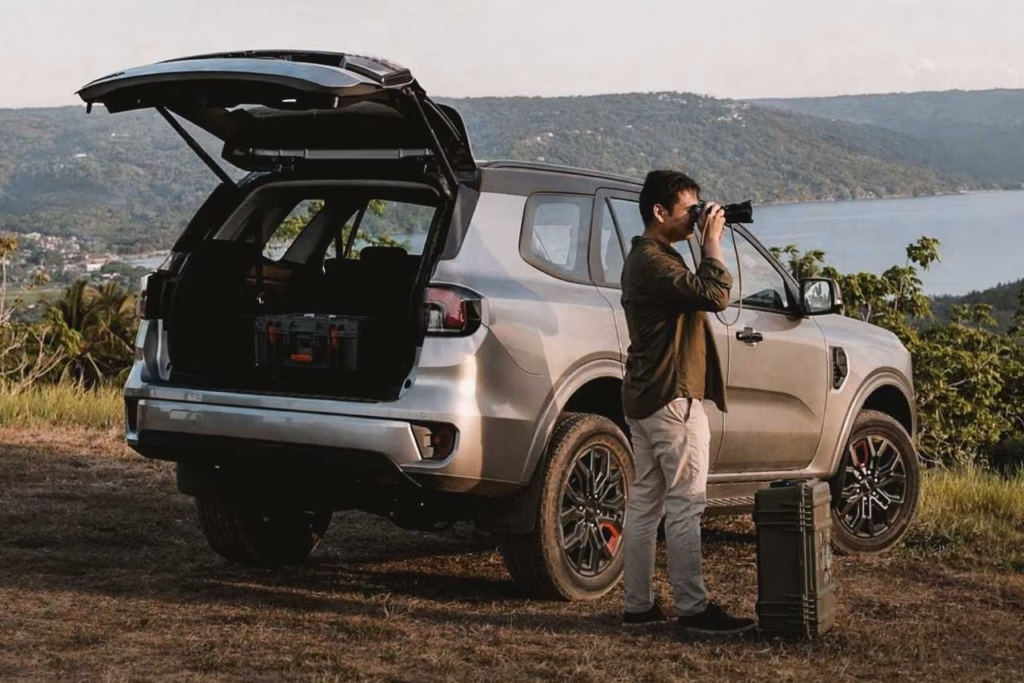
The long weekend is almost here. For many of us, that means the annual pilgrimage to the coast of La Union or the winding roads of Batangas. But with fuel prices being what they are, the “road trip tax” is feeling a bit heavy.
To help you keep those “core memories” from becoming “bank-breaking” ones, we’ve distilled Ford Philippines’ latest fuel-saving advice into eight actionable tips for your next long-haul drive.
1. Let the Tech Do the Work
If you’re behind the wheel of a modern rig like the Ford Ranger or Everest, you’re already sitting on fuel-saving tech. Features like Auto Start-Stop (which cuts the engine at long stoplights) and Eco Mode aren’t just gimmicks. Eco Mode specifically re-maps your throttle response and transmission shifts to prioritize efficiency over raw power. Use them.
2. Smooth is Fast (and Cheap)
Erratic driving is the fastest way to drain your tank. Aim for linear acceleration and use the road to your advantage. By anticipating traffic and coasting toward red lights, you reduce the need for heavy braking and subsequent “thirsty” acceleration.
3. Don’t Shift to Neutral on Downhills
There is a common myth that shifting to neutral while descending downhill saves fuel. It doesn’t. In fact, it’s less safe and can even damage your transmission. Stay in “Drive”; modern engines are smart enough to cut fuel supply when you’re coasting downhill in gear, using the vehicle’s momentum to keep things turning.
4. Check Your PSI (and Your Treads)
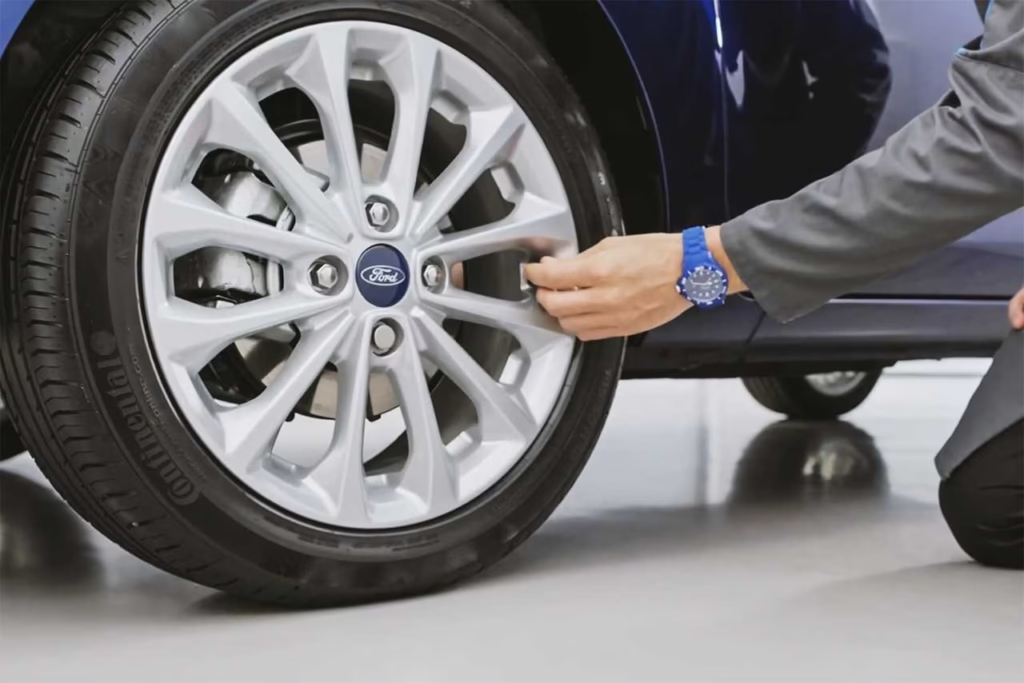
Your tires are the only thing touching the pavement. If they are underinflated, they create more rolling resistance, forcing the engine to work twice as hard. Check the placard on your driver’s side door jamb for the manufacturer’s recommended levels.
Beyond pressure, check for wear. Worn-out tires don’t just compromise your safety; they lose the “bite” needed for efficient movement, especially in the summer heat. If you’re due for replacements, stick as close to OEM specs as possible—oversized aftermarket tires might look tough, but the added weight and friction will definitely cost you.
5. Aerodynamics Matter
We all love the look of a loaded roof rack and a 42-inch light bar, but at highway speeds, those accessories act like a parachute. If you aren’t using your rooftop cargo box or bike rack for this specific trip, take it off. Reducing drag and weight is one of the easiest ways to take off load from your engine.
6. Manage the “Summer Heat” Load
The Philippine summer is brutal on air conditioning units. To help your compressor out:
- Set your climate control to AUTO and keep the temp around 22°C-23°C.
- Use the Recirculation button so the system isn’t constantly trying to cool down 35°C outside air.
- Park in the shade whenever possible to avoid that “oven effect” when you restart the car.
7. Maintain a Steady Driving Speed
Aerodynamic drag increases exponentially with speed. While it’s tempting to hit the limit on TPLEX or SLEX, maintaining a steady speed just 10-15 km/h below the limit can significantly improve your fuel economy without adding much time to your total journey.
8. Don’t Skip Your PMS
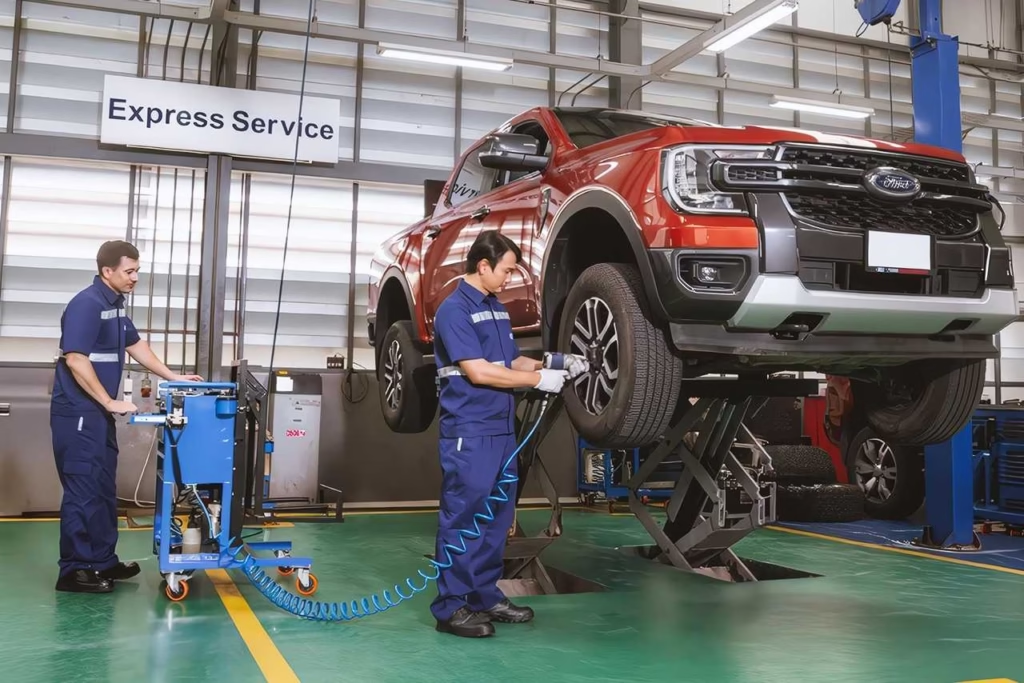
A clogged air filter or old, viscous engine oil creates internal friction that kills efficiency. If you’re overdue for a service, Ford’s Online Service Booking (OSB) makes it pretty easy to get an appointment and a price estimate before you head out. A well-maintained engine is a frugal engine.
The Bottom Line
At the end of the day, a long weekend getaway shouldn’t be overshadowed by the anxiety of fuel prices. By making a few small adjustments to how you load your rig and how you handle the pedals, you can focus on what actually matters: the destination, the company, and the drive itself.
Whether you’re heading north for the surf or south for a quiet retreat, these habits ensure your vehicle remains as efficient as it is capable. Safe travels, and we’ll see you out on the road!