


- Before grids and modern staples took over, ‘80s rims were all about personality. Old-school wheels like RS Watanabe, Minilite, and ATS Classics defined an era when rim design was bold, expressive, and central to a car’s identity—true “sapatos” that gave even modest builds instant character in the Philippine car scene.
- These iconic designs shaped both JDM and Euro-inspired builds and still carry cultural weight today. From banana-spoke legends to deep-dish stars, original and replica versions alike became status symbols passed down through stories of “Noong panahon namin,” cementing their place in local car culture.
If you go shopping for new rims or just walk through any car meets today, you’ll notice a pattern. Grids, Slipstreams, TE37s, RPF1s, CE28s. Don’t get me wrong, all of these rims are solid choices and fit into the modern era of car culture.
But something made me look back at wheels from the ‘80s. Compared to today’s designs, old-school rims were completely unique, bold, and had more personality in their own way.
I first came across these rims while I was still restoring my Lancer Boxtype around 2018, digging through Facebook groups, the Kyushashoes website, Instagram, and listening to titos telling stories that always start with “Noong panahon namin…” Those old scanned catalogues, photos, and stories made it clear that wheel design back then was all about expression.
In the Philippine car scene of the ‘80s, these were the “sapatos” that made every build iconic.
RS Watanabe
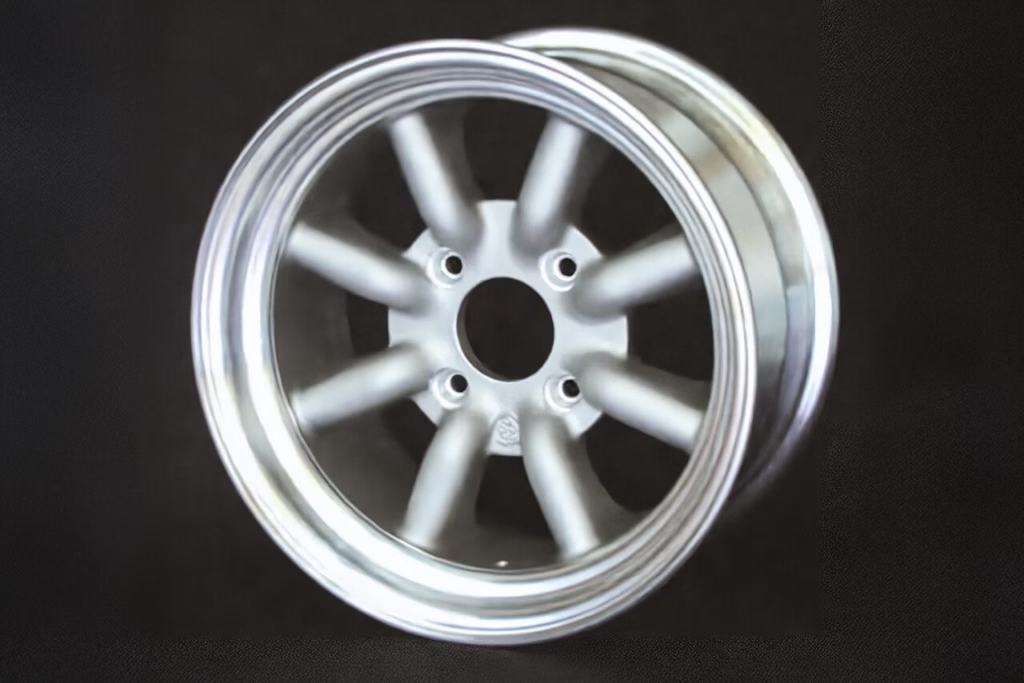
Photo Source: https://kyushashoes.com/product/r-s-watanabe-eight-spoke-type-a/
You can’t complete the ‘80s without Watanabes. These “Banana Spokes” were the ultimate badge of honor for the JDM-inclined Tito. Long before they became a pop-culture icon, they were prized for being lightweight and made out of either aluminum or magnesium alloy. They eventually became even more popular thanks to the AE86 in Initial D and the 240Z.
Minilites
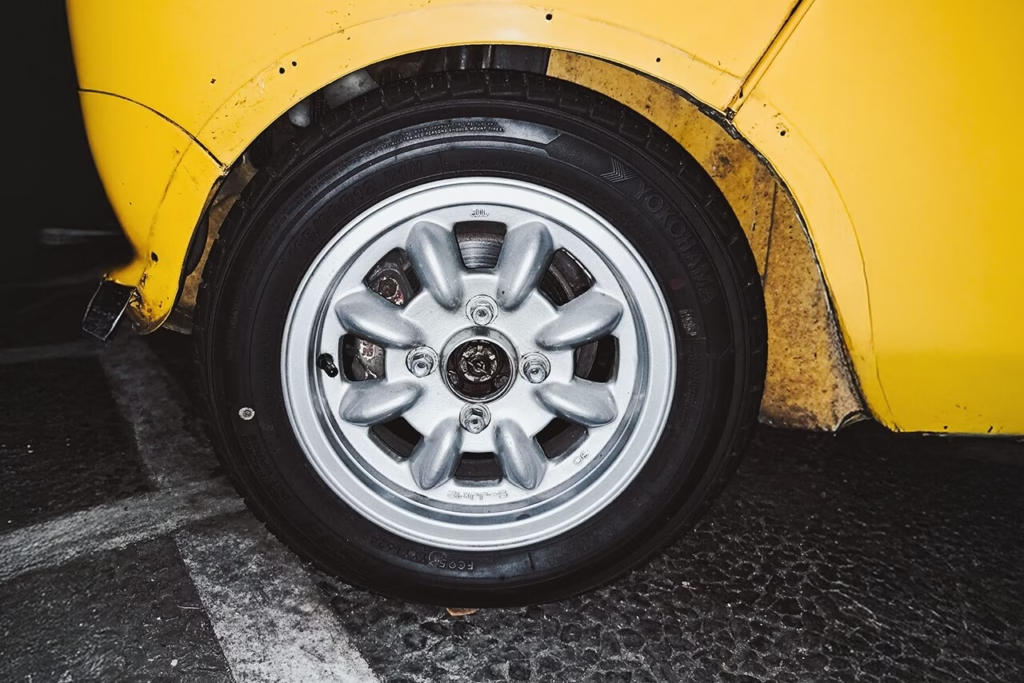
Photo By: PJ Gotuaco
The other “Banana mags” your Tito talks about. While they somewhat share that famous 8-spoke silhouette with the Watanabe, the Minilite has a softer design that screams classic rally. These were the go-to sapatos for the “Euro” Titos, looking just as home on a classic Mini as they did on a Lancer Boxtype. Rota also had a version which is very identical to the English Minilites.
ATS Classics / Type A
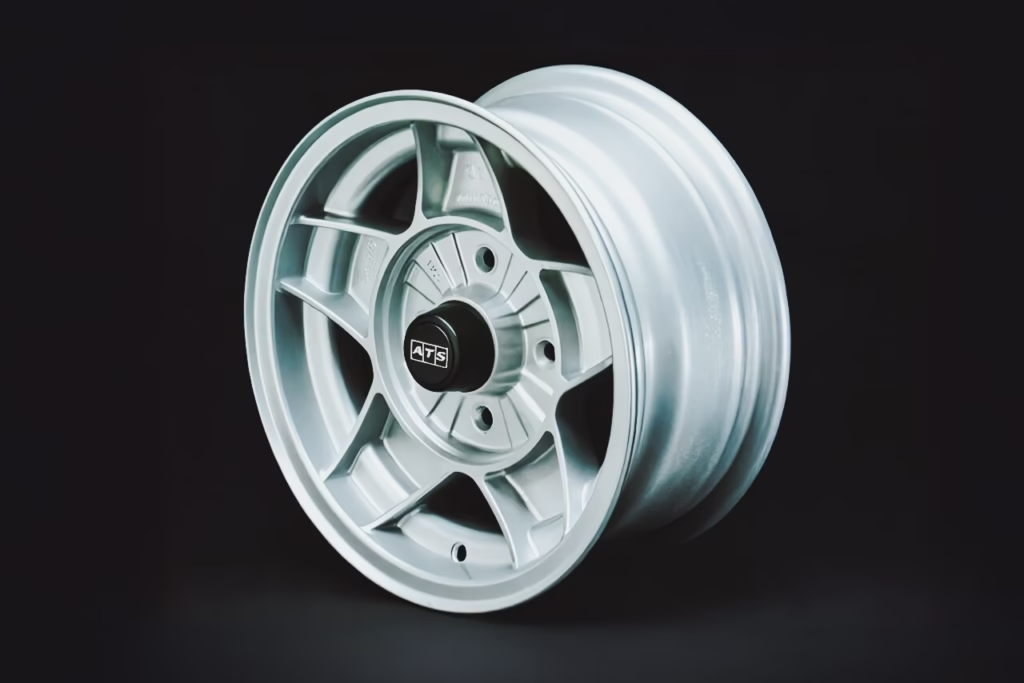
Photo Source: https://kyushashoes.com/product/ats-type-a/
These German-made wheels by Auto Technisches Spezialzubehör(ATS) are legendary for their five-spoke design that looks like a star with rounded, thick edges. Originally a staple for Volkswagens and Opels in Europe, they made a massive splash in the local scene because they gave any car an instant “porma” upgrade with a wide, aggressive stance.
They were available from 10-inches to 15-inches and were also available in a wide variety of PCDs, making them compatible with almost anything on the road. Rota eventually had their own version of the ATS Classics.
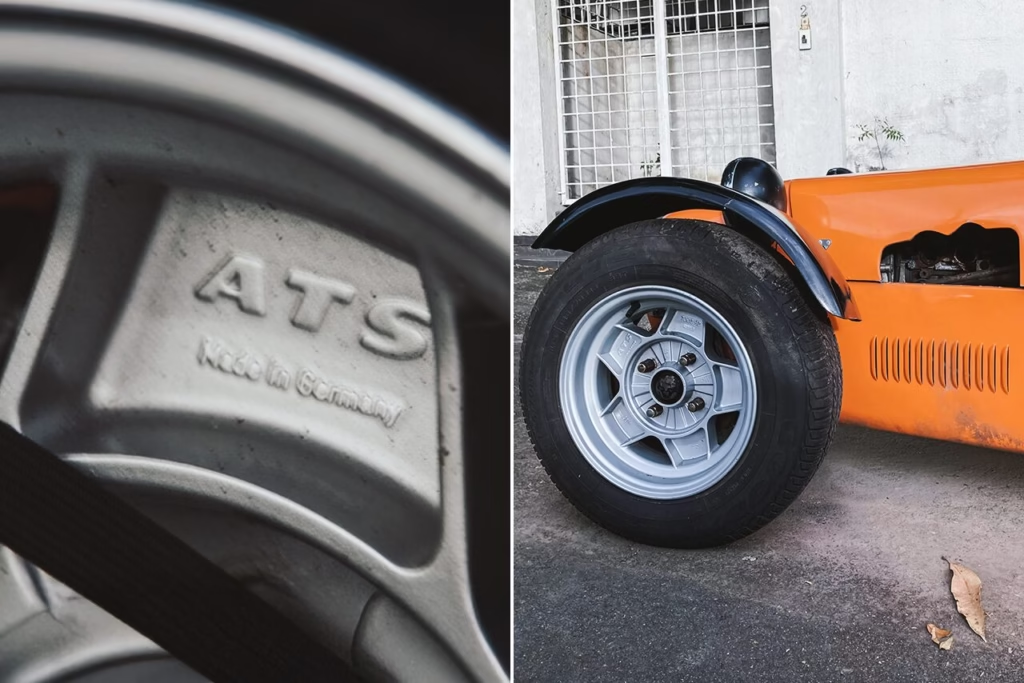
Photos By: Jean-Luc De Leon
If you’re hunting for a set today, telling a genuine ATS from a Rota version is the ultimate “Tito” skill: real ATS wheels will have the “ATS” and “Made in Germany” clearly embossed on one of the spokes
AMG Penta
Photo Source: https://thembmarket.com/euro-1984-mercedes-benz-280e-amg-tribute-1
These authentic German wheels were manufactured by ATS and Ronal specifically for Mercedes-Benz like the W123 and W116. However, because the design was so iconic, a brand by the name of Commodore produced their own replicas.
These Commodore “Pentas”, which people usually call “AMG Commodore Pentas” are the reason you’d see this heavy European look on 4-lug Japanese cars. Available in 13 and 15-inch variants, the Commodore ones allowed Boxtype and DX owners to sport that “Euro” look.
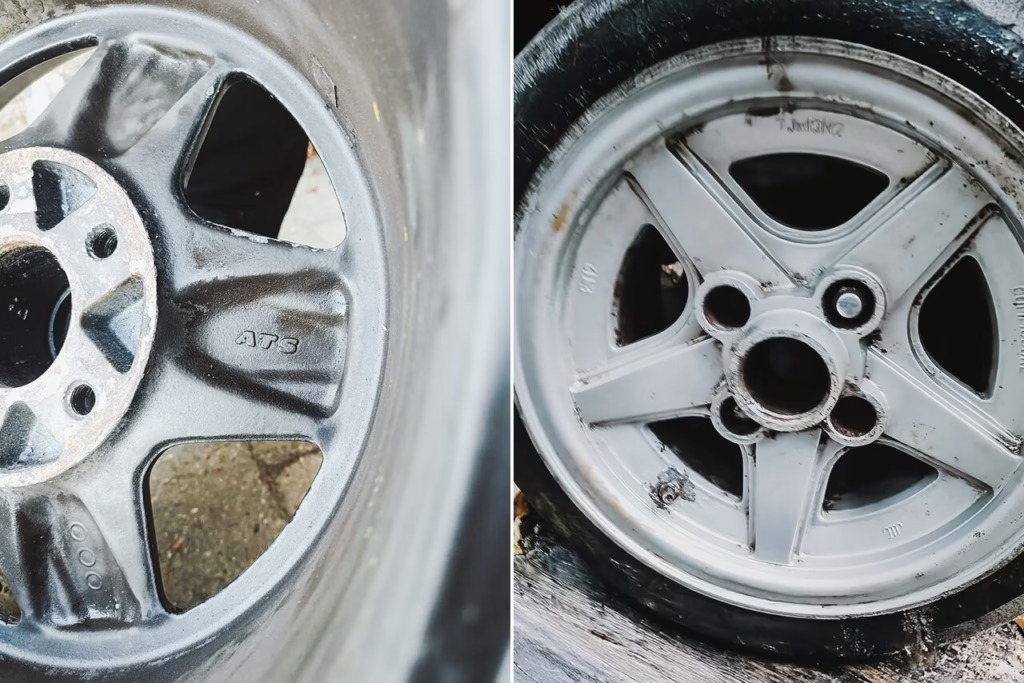
Photo Source: (Left) https://www.reddit.com/r/W124/comments/1muclhu/penta_rims/ (Right) https://www.facebook.com/share/p/17uZsjXACi/
To tell which one is a Commodore or an AMG: authentic AMG ones are 5-lug with a PCD of 112 and will have markings somewhere around the center hub and look for the ATS or Ronal name at the backside of the wheel, the picture on the left is an example. They were also only available in either 15 or 16 inches. Commodore versions are available in 4-lug versions with a PCD of either 114 or 100, and usually have “Commodore” embossed on the wheel, like the picture on the right.
Cromodora Star
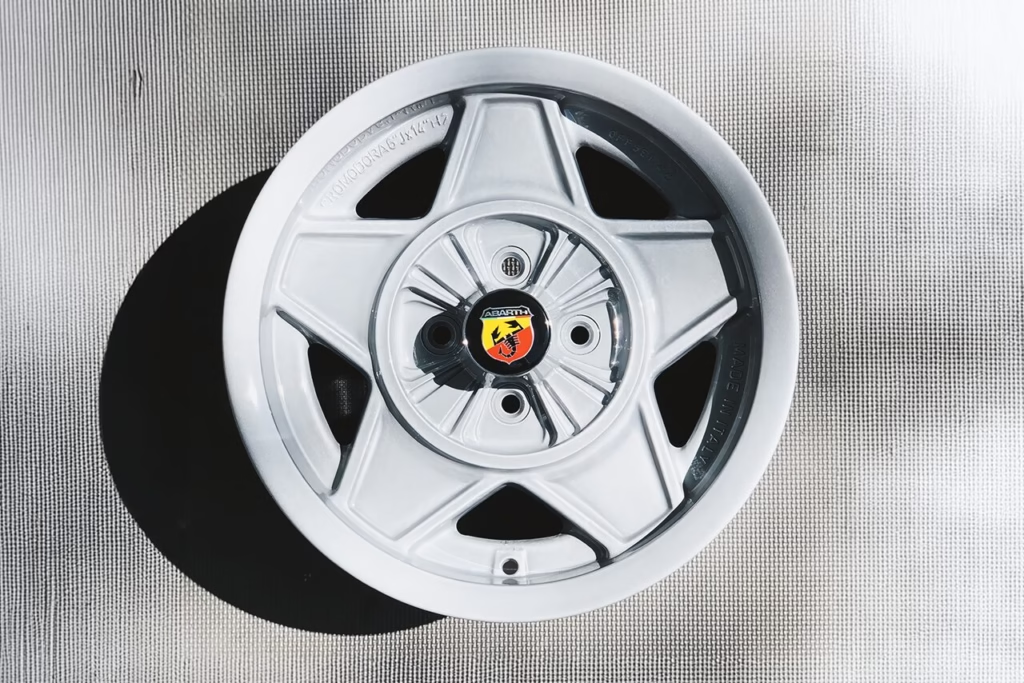
Photo Source: https://xwebforums.com/forum/index.php?threads/cromodora-cd50-cd-50-4×98-1-100-in-san-francisco-not-mine.39674/
These Italian-made beauties were the ultimate European flair for the local scene. Known for their distinct five-spoke star design—whether you call it by their actual model code, Star or the Daytona style—they were often cast in magnesium or high-grade aluminum, making them incredibly lightweight. They were particularly popular on European classics like Alfa Romeos, but in the Philippines, they became the go-to sapatos for the Tito who wanted his Lancer to look like it just stepped off a Mediterranean rally stage.
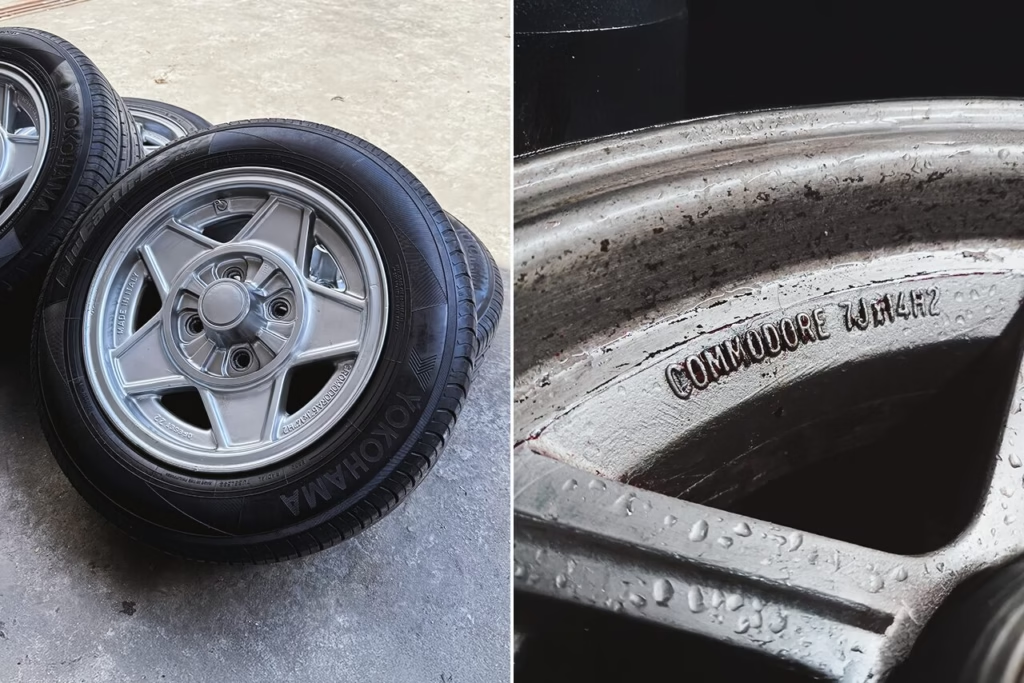
Photos Source: (Left) https://www.facebook.com/share/177GDH6xR1/ (Right) JSL AutoParts
Like the AMG Pentas, Commodore also made local replicas of the Star, bringing that high-end Italian aesthetic to the masses. To differentiate a genuine Cromodora from the plentiful Commodore versions, you have to look at the casting: authentic Cromodoras will have “Cromodora” and “Made in Italy” clearly embossed on the wheel, while the Commodore ones have “Commodore” embossed on them.
Enkei Apache IV “Mesh”
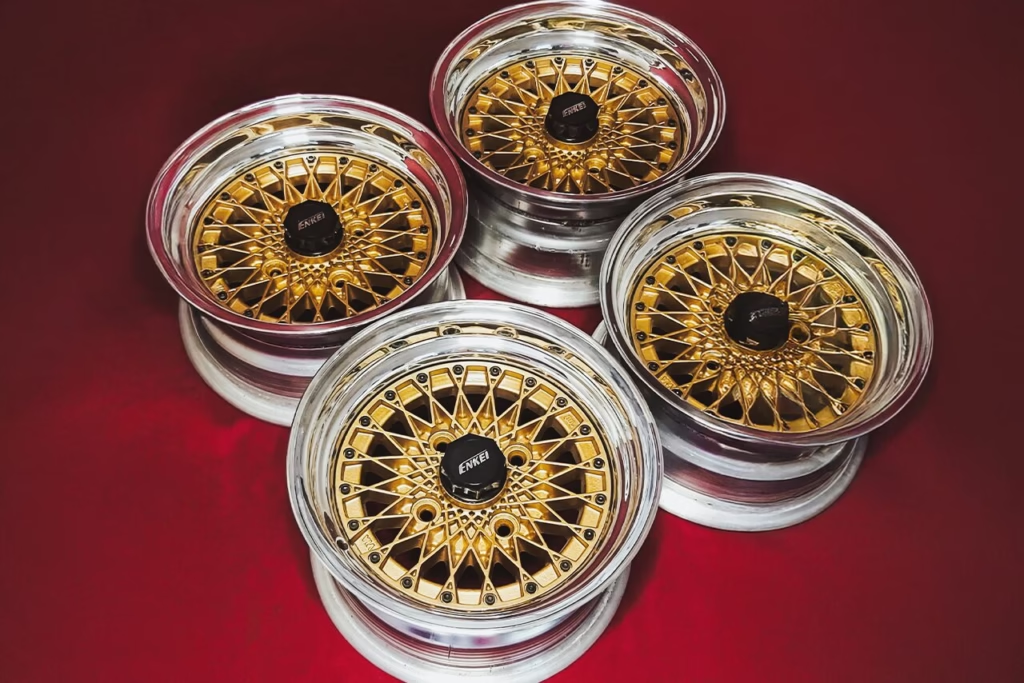
Photo Source: https://www.facebook.com/share/p/1FeMCwKftF/
The Enkei Apache IV was for the guys who wanted that ultimate “Linis-Porma” (clean look). While some people just call them “Enkei Mesh,” the Apache IV is the mesh legend that defined the ’80s Kyusha aesthetic here in the Philippines. These wheels were the staple on Lancer Boxtypes and KE70s and are mostly seen in 13×7 fitment.
Every Tito who owned a set probably has a core memory of using a toothbrush to scrub brake dust out of the spokes just to make sure they sparkled at tambays. Finding a set today is still possible, however the center caps are a different story. You can either search high and low for an original set or have a set 3D printed.
Venette Vega
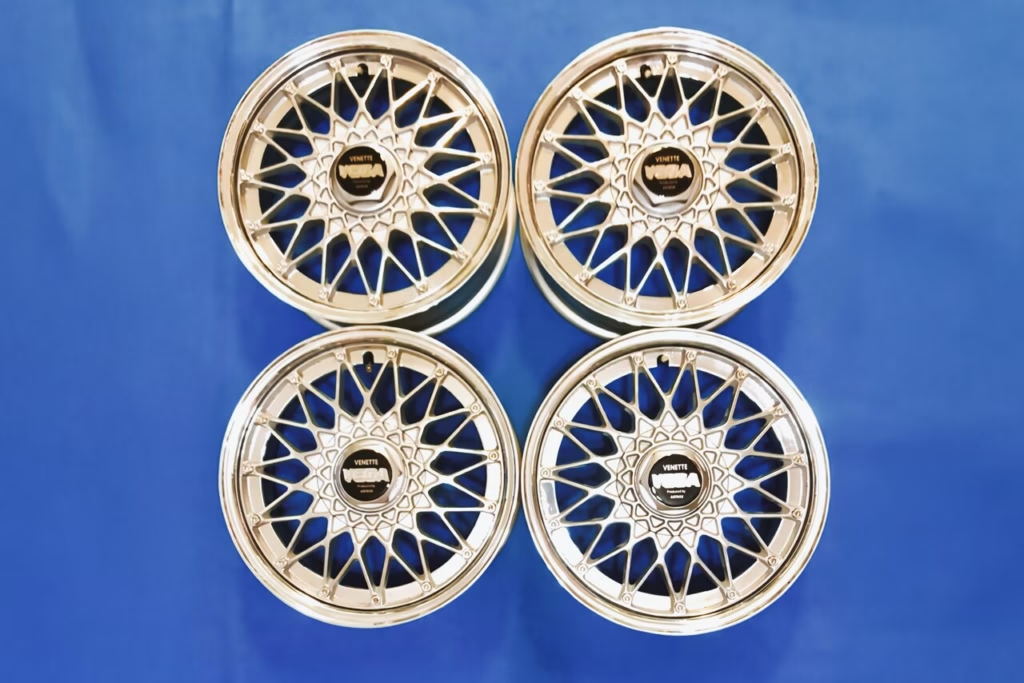
Photo Source: https://www.facebook.com/share/p/1872Yjtk63/
These are the true cult classics of the ‘80s and ‘90s. These Venette Vegas were the sought-after rims for those who wanted to stand out from the sea of mesh designs. Produced by Artrise (a sub-brand of the legendary Work Wheels), these were high-quality pieces of Japanese engineering. While 15-inch sets are the standard, finding a 16-inch Vega is the ultimate ‘rare paps’ find that would make any Tito’s jaw drop today. They were perfect for the Small Body Corolla or the Lancer Boxtype, and their universal PCD (4×100/114) made them the most versatile sapatos of their time.
Seeing a set today is a rare occurrence and expensive, especially if the owner managed to keep those center caps.
Respect the Classics
I know I missed a lot more Kyusha rims like the Colin or SSR Starsharks, Advan A3As, or Longchamps—the world of vintage Japanese and European rims is deep—but these were the very popular sapatos of the time that defined the Philippine streets.
Car culture will always move forward, but as these rims are getting rarer and rarer, it’s worth looking back at the wheels that started it all. These rims weren’t just about fitment; they were about the hustle of finding them and the pride of keeping them on the road. If you’re lucky enough to find a set of these hidden in a garage or for sale in a Facebook group, grab them. You aren’t just buying wheels, you’re preserving a piece of local history.