

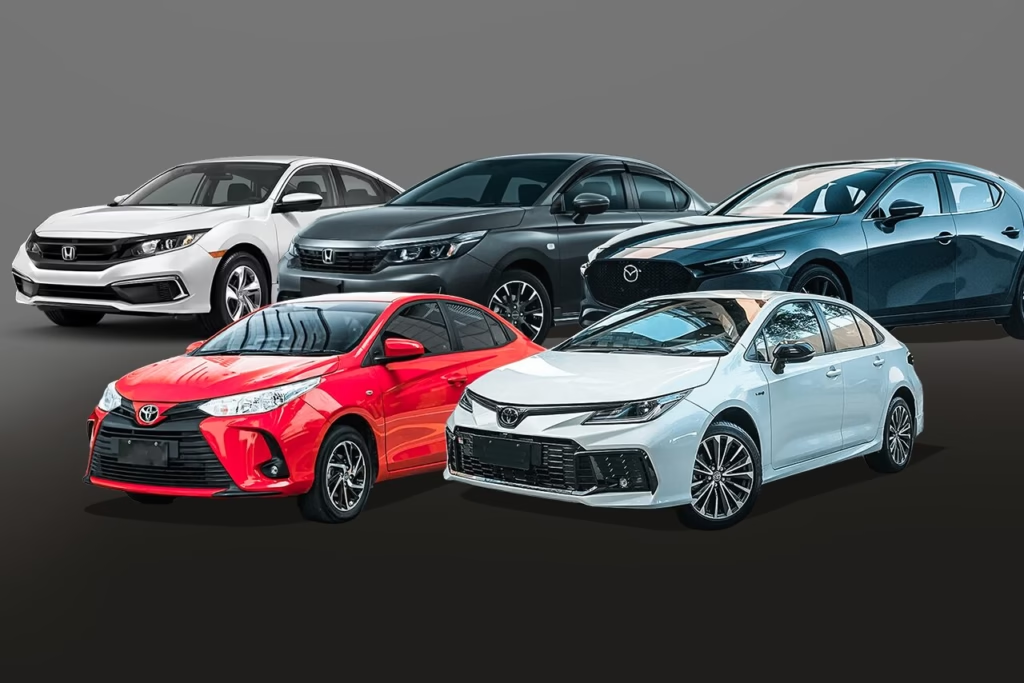
- December is one of the smartest times to buy. Year-end bonuses and dealer promos give buyers more flexibility, while sellers are motivated to close deals before the new year.
- Both new and used cars offer strong value if chosen wisely. New cars bring peace of mind and promo financing, while used cars allow buyers to get more space, features, or performance for the same budget.
- The best deals come from preparation, not impulse. Comparing prices, understanding financing options, and knowing what to look for especially in the used market can help stretch your budget and avoid costly mistakes.
Smart picks for Filipinos looking to stretch their year-end bonus.
December isn’t just the season of traffic jams, reunions, and holiday rush; it’s also one of the most strategic times to buy a car in the Philippines. With 13th-month pay, year-end bonuses, and holiday cash coming in, many Filipinos suddenly have more flexibility in their budget. At the same time, dealerships are under pressure to clear inventory before the year ends.
With buyers having extra cash and sellers eager to close deals, December becomes one of the best months to shop for a car. Whether you’re planning to start 2026 with a brand-new daily driver, upgrade to something more comfortable for the family, or finally get your first car, this guide breaks down the best affordable options to consider and how to make your money go further.
Why December Is the Perfect Time to Buy a Car
Car buying is as much about timing as it is about budget, and December checks a lot of boxes.
First, year-end bonuses make down payments easier to manage. A bigger upfront payment often translates to lower monthly amortizations, which can make owning a car feel far less stressful in the long run.
Second, dealerships tend to roll out their most aggressive promotions during this period. Discounts, low-interest financing, free insurance, extended warranties, and service packages are commonly offered as dealers try to meet sales targets and clear stock before the new year.
Finally, many Filipinos simply want to start the year fresh. A new car—whether brand-new or pre-owned means a smoother commute, easier family trips, and fewer daily hassles as 2026 begins.
New vs Used: Which Is Right for You?
Before narrowing down specific models, the first decision is whether to go brand-new or used. Both options can make sense, depending on your priorities.
Buying Brand-New
A brand new car offers peace of mind. You get full warranty coverage, the latest safety and tech features, and generally lower maintenance costs during the first few years. For first-time buyers or families who rely on their car daily, that predictability can be very appealing.
Financing is another advantage. Brand-new cars often come with dealer-backed promos, especially in December, such as lower interest rates, longer payment terms, or reduced down payments. Even if overall interest rates remain high, these promos can make monthly payments more manageable than expected.
The downside? Higher upfront costs and faster depreciation. The moment a brand-new car leaves the dealership, its value instantly drops. Something buyers need to accept as part of the deal. Insurance premiums also tend to be higher compared to older vehicles.
Buying Used
Used cars often deliver better value for money. With the same budget, buyers can afford a higher trim level, a larger vehicle, or a model that would otherwise be out of reach if bought brand-new. Monthly payments are usually lower, and depreciation is less severe compared to new cars.
That said, buying used requires more attention to detail since you don’t know the history of the vehicle. Paperwork should always be checked first, followed by verifying mileage and overall condition.
A proper test drive can reveal issues that don’t show up in photos, and setting aside a small budget for maintenance or minor repairs helps avoid surprises. When done carefully, a well-maintained used car can be a smart, cost-effective choice.
What “Affordable” Really Means When Buying a Car
Affordability isn’t just about the sticker price. It’s about monthly payments, long-term running costs, and how comfortably a car fits into your everyday life.
To make things clearer, we’ve grouped cars into three realistic budget ranges, the way most Filipino buyers actually shop.
Best Affordable Cars by Budget Tier
PRICE: Under ₱800,000
True entry-level affordability
Ideal for first-time buyers, city driving, and keeping monthly payments low.
Brand-New Options
Toyota Wigo (₱615K–₱735K)
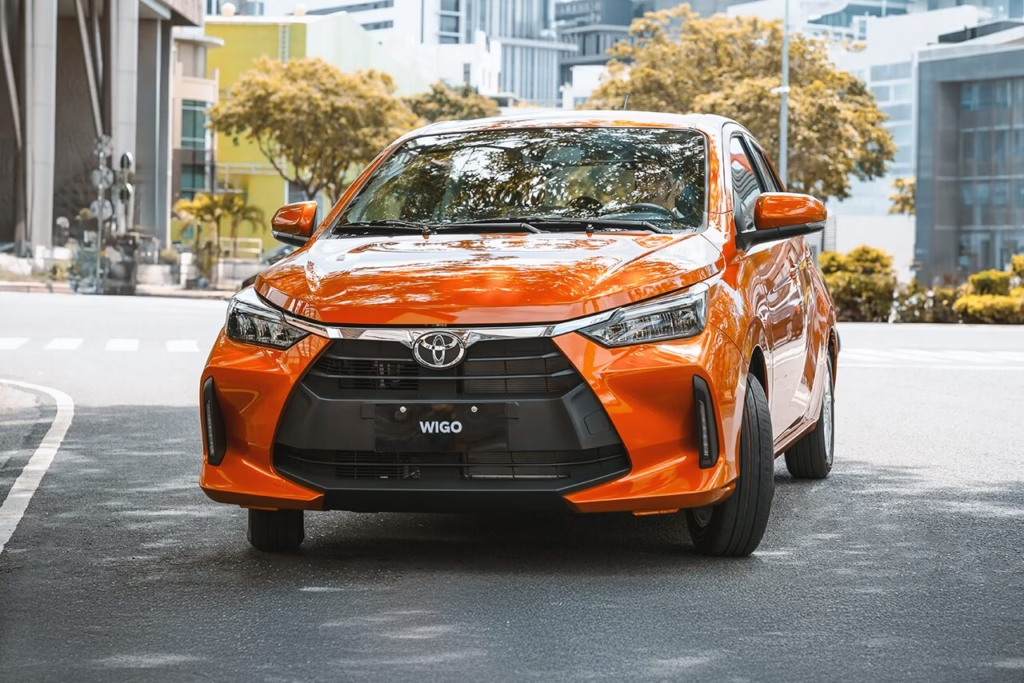
Photo source: https://toyota.com.ph/news/Toyota-Motor-Philippines-launches-the-all-new-Wigo
The Wigo remains a favorite for good reason. It’s fuel-efficient, easy to maintain, and simple to drive in traffic-heavy cities. For first-time owners or buyers looking for a no-nonsense daily car, it’s still one of the safest bets.
Mitsubishi Mirage / Mirage G4 (from ₱720K–₱937K)
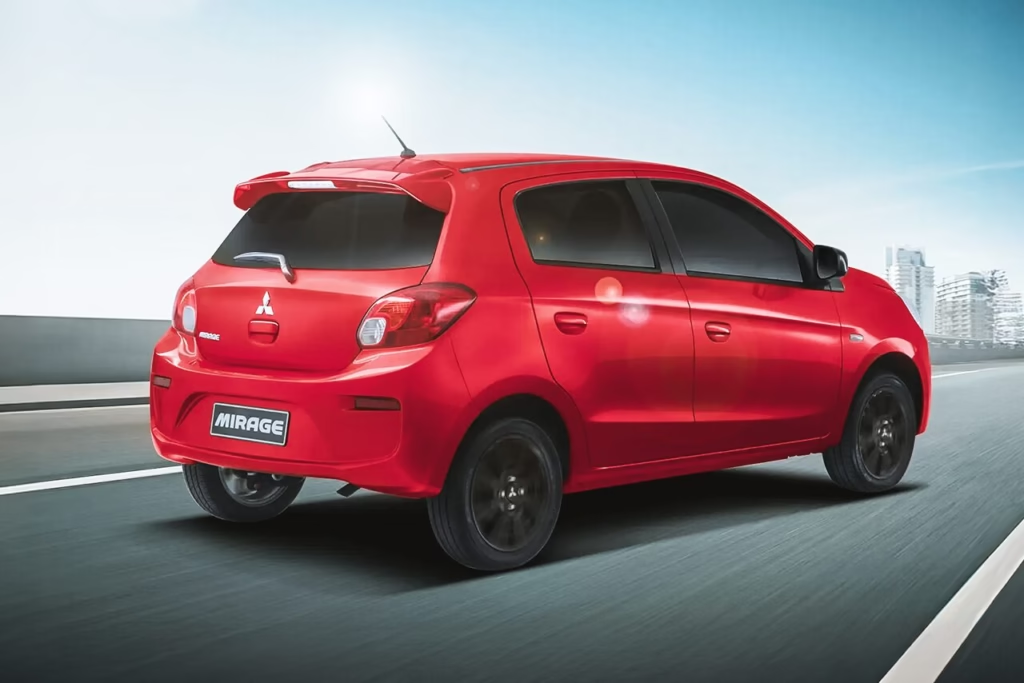
Photo source: https://www.mitsubishi-motors.com.ph/cars/mirage/exterior
One of the most affordable cars on the market, the Mirage lineup is built around simplicity, efficiency, and low-cost maintenance. It’s a popular choice for daily commuting, light city use, and buyers who want low running costs without unnecessary extras.
Used Car Options
Toyota Corolla Altis (₱400K–₱900K, 2018–2021)
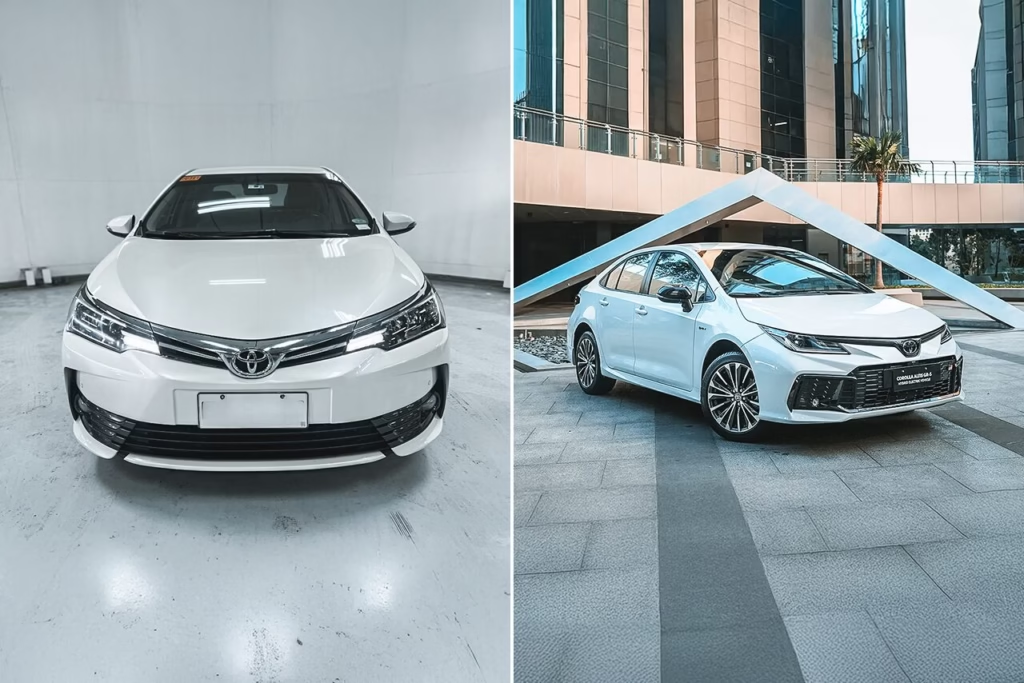
Photo source: (Left) https://toyotasantarosa.com.ph/tcuv-vehicle/2018-corolla-altis-1-6-v/ (Right) https://toyota.com.ph/corolla-altis
The textbook definition of “good ol’ reliable.” The Corolla Altis has built its reputation on durability, comfort, and hassle-free ownership. It’s the kind of car that just works easy to live with, easy to maintain, and trusted by generations of Filipino drivers. Within the 2018–2021 used market, buyers will encounter both late 11th generation models and early 12th generation units. The Earlier 12th generation Corollas commonly run the familiar 1.6L engine, while later versions have since moved to a larger 1.8L setup, with a GR-S hybrid option available for those prioritizing fuel efficiency.
Volkswagen Golf GTS (₱500K–₱800K, 2016–2019)
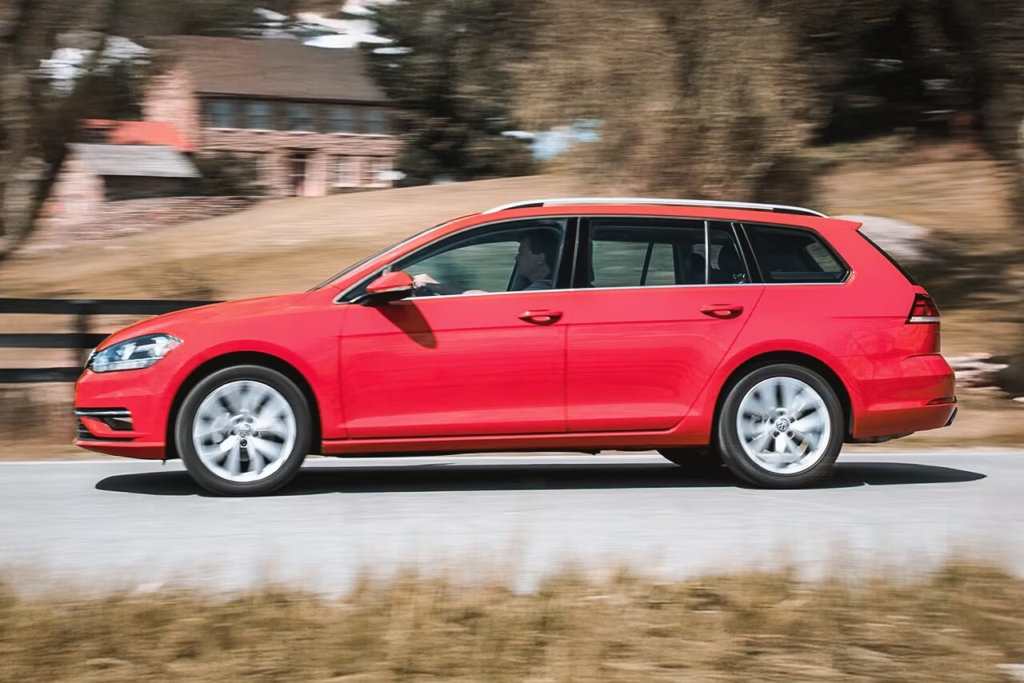
Photo Source: https://www.caranddriver.com/volkswagen/golf-sportwagen-2018
A strong option for buyers who want a more refined and engaging drive in a compact package. The Golf is known for solid build quality and a comfortable ride, making it feel more premium than most cars in its size.
Mazda 3 (₱520K–₱1.2M, 2018–2021)
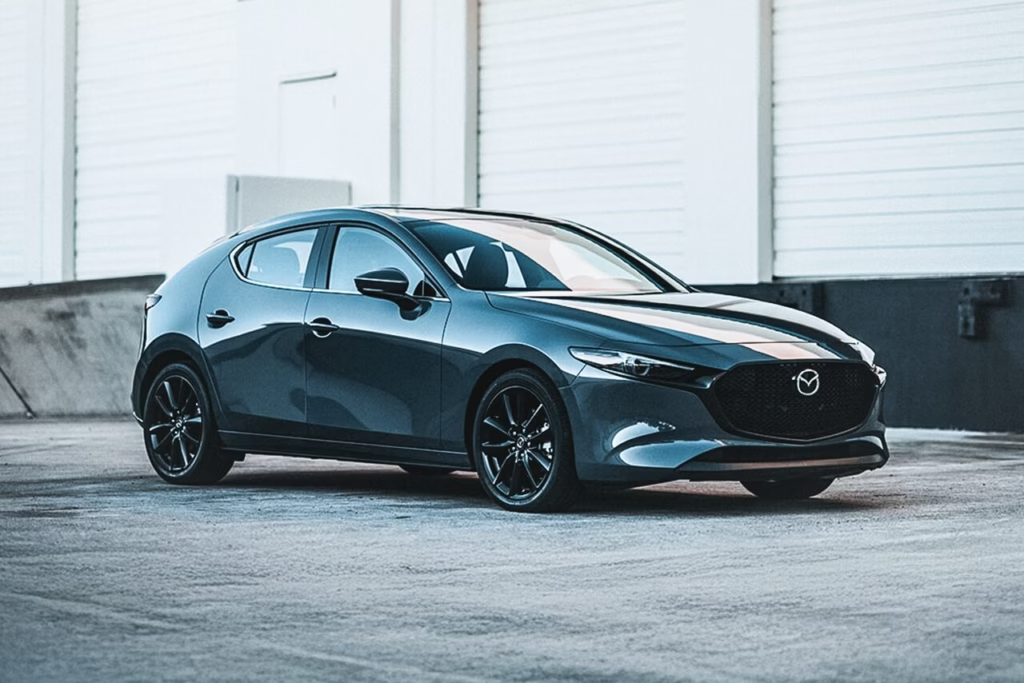
Photo source: https://news.mazdausa.com/vehicles-2020-mazda3
Stylish and rewarding to drive, the Mazda 3 delivers a more premium interior and better road feel than most entry-level cars. It’s a popular upgrade choice for buyers moving up from smaller hatchbacks or sedans who want something that still feels special.
PRICE: ₱800,000 – ₱1,200,000
The real “affordable sweet spot”
Where most Filipino buyers will find the best balance of price, comfort, and features.
Brand New Options
Suzuki Swift (₱989K)
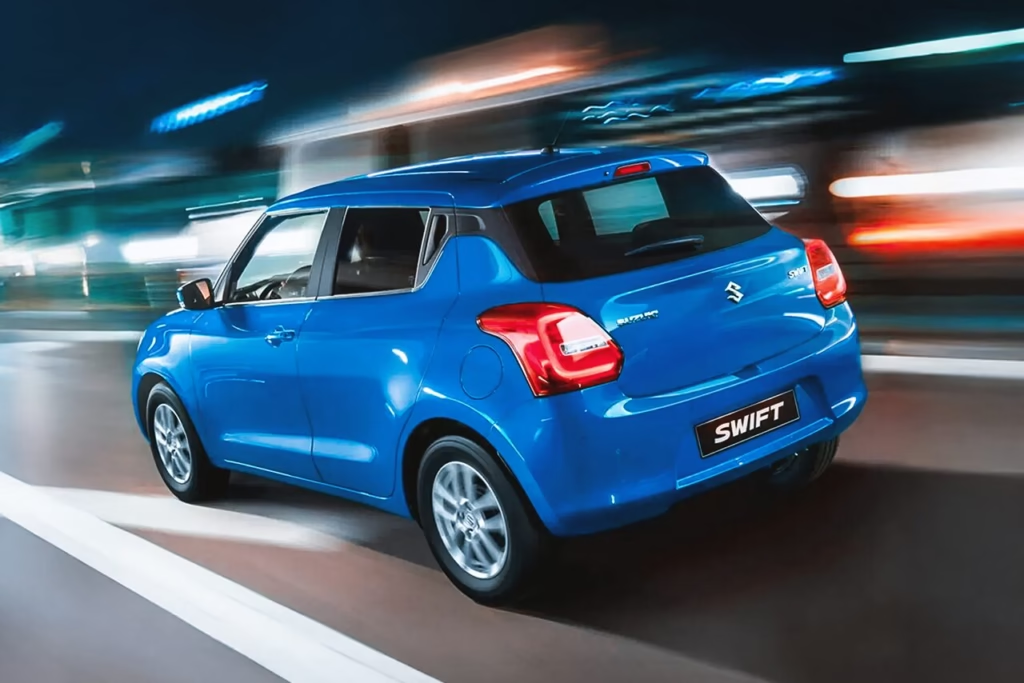
Photo source: https://auto.suzuki.com.ph/cars/swift
For buyers who want something compact with more personality, the Swift offers a sportier driving feel while staying practical. It’s fun behind the wheel, efficient on fuel, and relatively easy on ownership costs.
Toyota Vios / Toyota Vios Ativ (₱738K–₱1.2M)
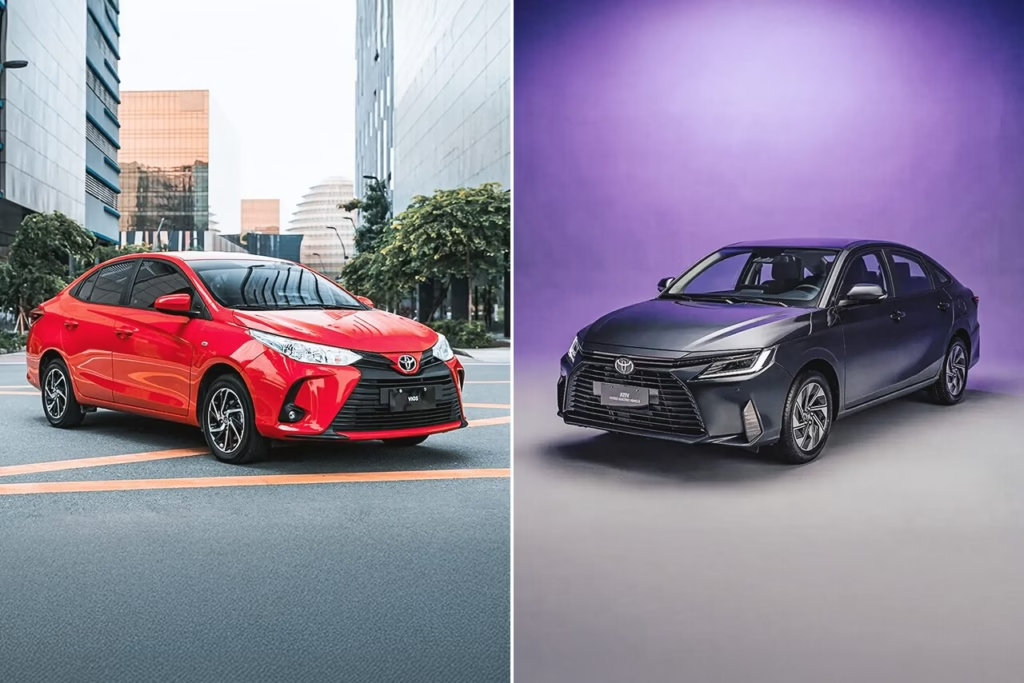
Photo source: (Left) https://toyota.com.ph/vios (Right) https://toyota.com.ph/ativ
Few cars have proven themselves in Philippine conditions as consistently as the Vios and its newer Ativ counterpart. Known for reliability, ease of servicing, and strong resale value, this platform remains a practical choice for budget-conscious buyers. The Ativ adds a more modern design and updated features, along with the option of a hybrid variant for buyers who want better fuel efficiency without jumping to a larger or more expensive car.
Honda City (₱998K–₱1.199M)
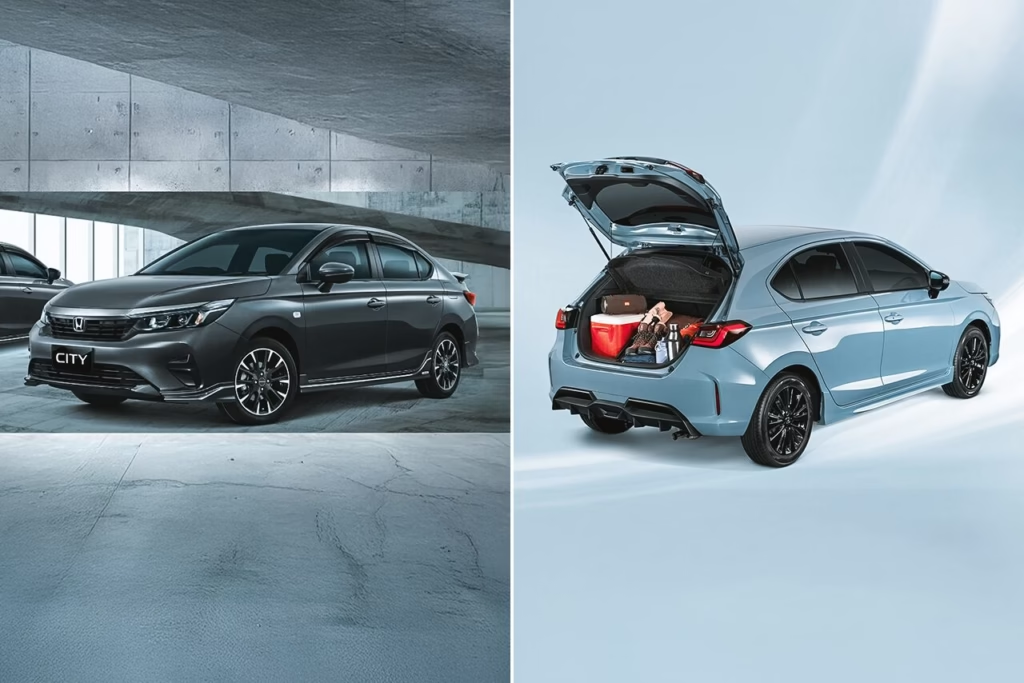
Photo source: (Left) https://www.hondaphil.com/model/city (Right) https://www.hondaphil.com/model/city-hatchback
The City leans slightly more premium, offering a refined interior, smooth performance, and solid fuel economy. It’s available in both sedan and hatchback, the hatchback sitting at the top of the price range gives buyers more flexibility depending on their needs. Honda Sensing comes standard, adding an extra layer of safety and driver assistance for everyday driving. For those who want an upscale-feeling sedan or hatchback without moving into a higher price bracket, the City remains a strong contender.
Toyota Avanza (₱844K–₱1.071M)
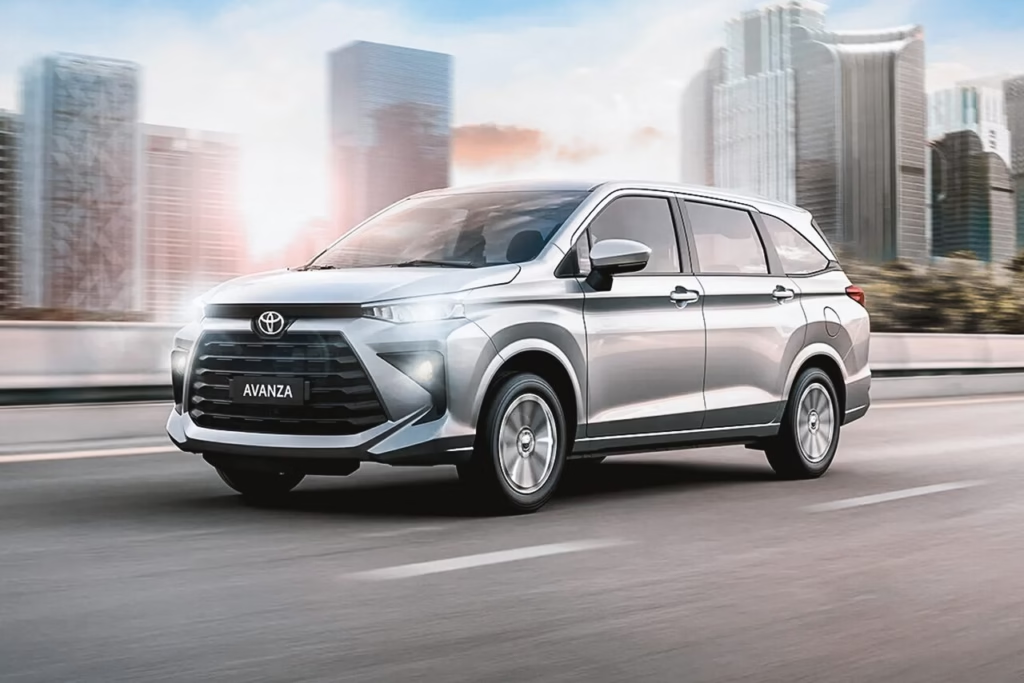
Photo source: https://toyota.com.ph/Avanza
Known for its affordability and practicality, the Avanza remains a staple for Filipino families. It’s simple, dependable, and well-suited for both everyday driving and longer trips with passengers.
If you’re open to second-hand options, the same models you’re considering new can often be found at significantly lower prices, sometimes half (or less) of their new-car SRP. This makes the used market a smart alternative for buyers on a budget as long as you check history, condition, and test drive thoroughly.
Used Car Options
Honda Civic (₱550K–₱1.1M, 2017–2020)
Photo source: https://www.gallatinhonda.com/2020-honda-civic/
The Civic balances everyday usability with a more confident road presence. It offers a comfortable ride, responsive performance, and a more premium feel than entry-level sedans, making it a favorite for buyers who want practicality without feeling boring.
Honda CR-V (₱800K–₱1M, approx. 2018–2019)
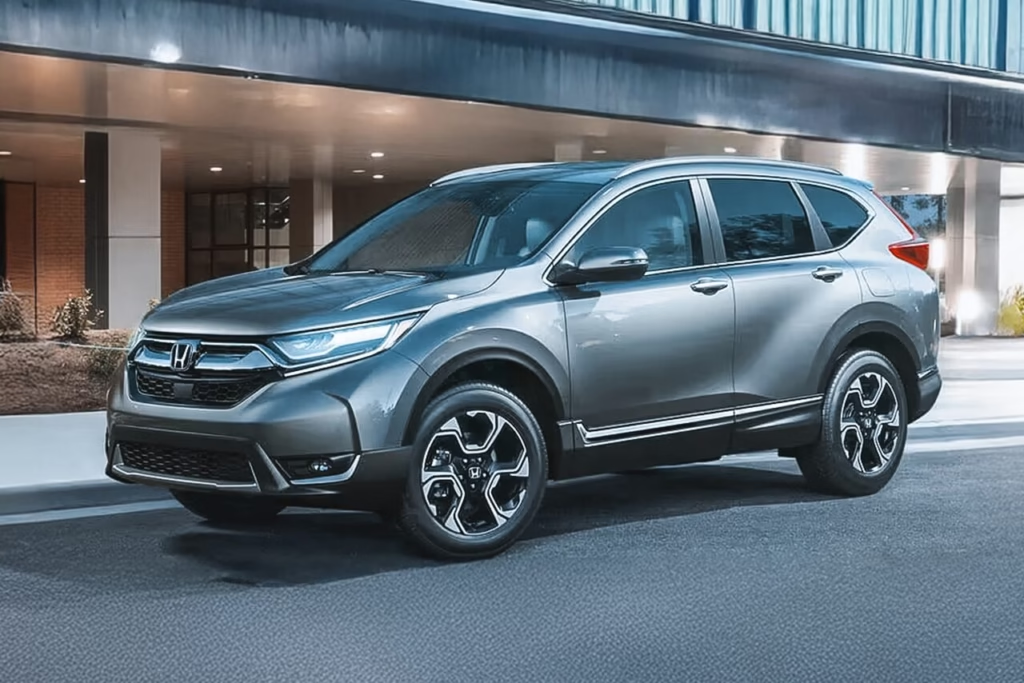
Photo source: https://www.executivehonda.com/2019-honda-cr-v-configurations/
A dependable crossover that strikes a good balance between comfort, space, and everyday usability. Used CR-V models remain popular with families who want a refined drive without stepping into full-size SUV territory.
Honda BR-V (₱550K–₱900K, approx. 2018–2024)
Photo source: https://www.hondaphil.com/posts/all-new-honda-br-v-makes-official-philippine-debut-now-safer-with-honda-sensing
A practical choice for families who need extra seating in a compact footprint. The BR-V is easy to drive, fuel-efficient, and works well as a daily family vehicle.
Toyota Innova (₱600K–₱1.1M, approx. 2018–2024)
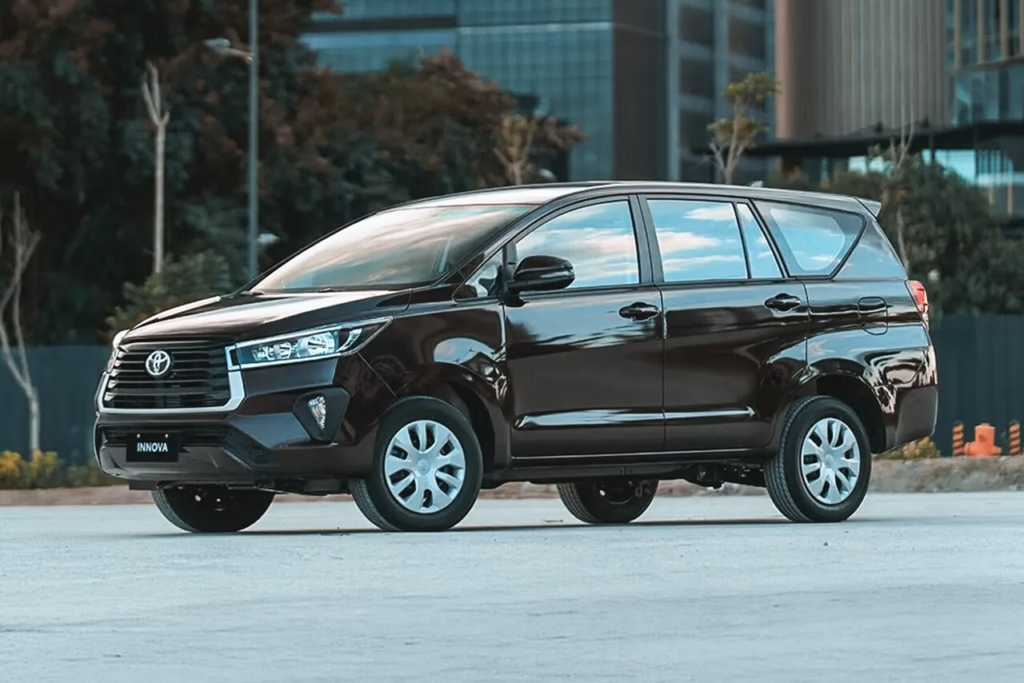
Photo Source: https://toyota.com.ph/innova
One of the most trusted family vehicles in the country, the Innova has built its reputation on space, durability, and long-term reliability. It’s a familiar sight on Philippine roads for good reason, it handles full passenger loads comfortably and holds up well even with years of daily use.
In the used market, Innova prices remain strong. While older 2018–2019 units still fall within the budget, newer or well-kept examples often push past ₱1.1M, especially diesel variants with low mileage. That said, for families who prioritize comfort, proven reliability, and the ability to handle long trips without drama, a well-maintained Innova remains a solid and sensible used buy.
These models make the most sense when shopping for units that are around 4 to 7 years old, where depreciation has settled but reliability and usability remain strong.
PRICE: ₱1,200,000 – ₱2,000,000
Stretch buys
These aren’t “cheap,” but are often considered affordable relative to their size and capability.
Brand New Options
Mitsubishi Xpander (₱1.099M–₱1.259M)
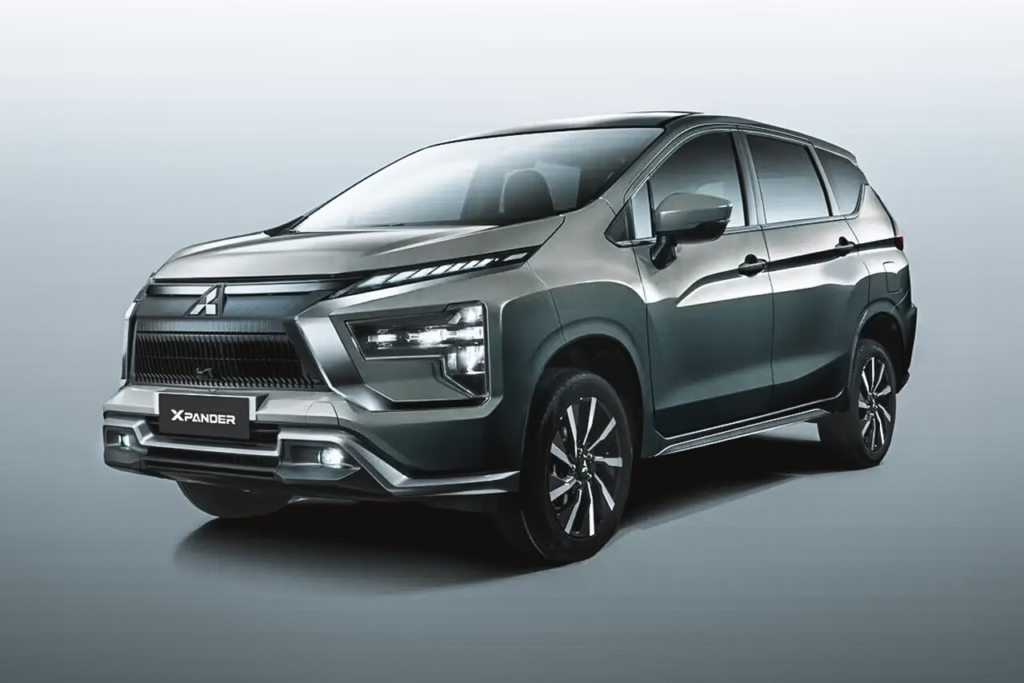
Photo source: https://www.mitsubishi-motors.com.ph/cars/xpander
A go-to choice for growing families, the Xpander delivers generous space, comfort, and a relaxed driving experience. It’s especially popular with buyers who want a vehicle that works just as well for daily errands as it does for weekend trips.
Toyota Veloz (₱1.104M–₱1.277M)
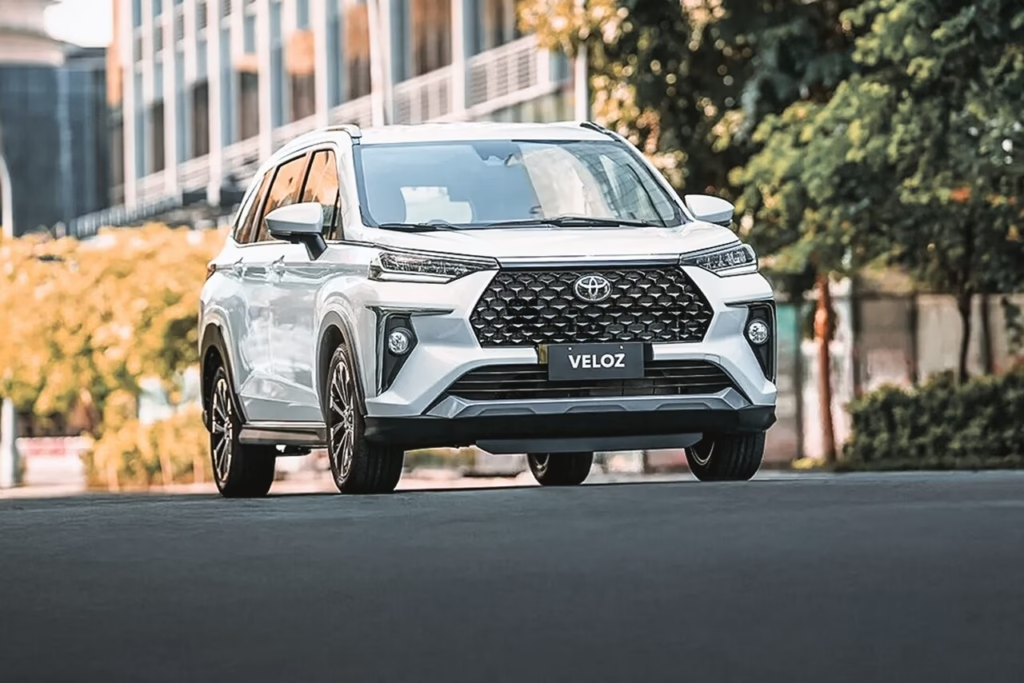
Photo source: https://toyota.com.ph/veloz
The Veloz blends MPV practicality with a more SUV-inspired look. It’s spacious, easy to drive, and backed by Toyota’s reputation for reliability, making it a solid family-oriented option for buyers who want a bit more style.
Used Car Options
Toyota Fortuner (₱900K–₱1.2M+, approx. 2018–2021)
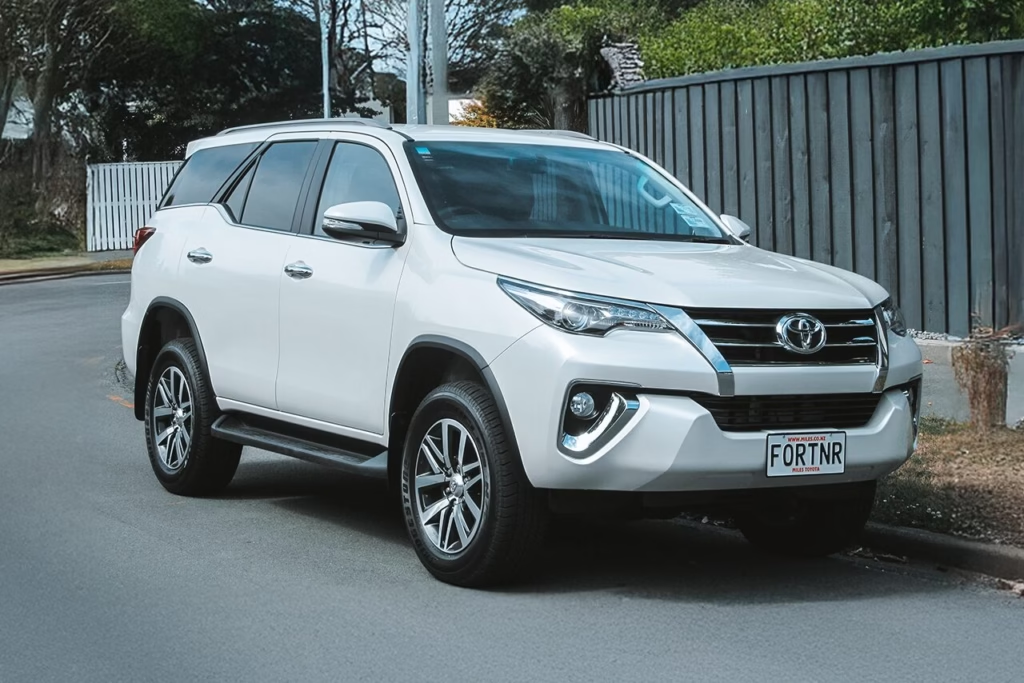
Photo source: https://en.wikipedia.org/wiki/Toyota_Fortuner
A rugged, ladder-frame SUV built for durability, space, and long-distance comfort. The Fortuner’s strong resale value means prices stay high even in the used market, with many newer or higher-spec units pushing well beyond ₱1.2M. That said, older 2018–2021 models, especially lower variants, can still fall closer to budget, making it a viable option for buyers who want true SUV capability, road presence, and a reputation for toughness.
Financing Options to Make the Most of Your Year-End Bonus
Choosing the right car is only half the equation. How you choose to pay for it can have just as much impact on your finances in the months and years ahead. With year-end bonuses coming in, buyers have a bit more flexibility than usual to set up smarter payment terms.
Putting a larger portion of your bonus toward the down payment can go a long way. It lowers your monthly dues and reduces the amount of interest you’ll pay overall, making ownership feel more manageable long after the holiday season has passed.
December’s also a good time to look into dealer financing, as many brands roll out special rates or flexible payment options to hit year-end sales targets. Even if general interest rates remain high, these short-term promos can help make a brand-new car easier to afford.
If you’re looking to buy second-hand, bank or credit union loans are often worth considering. They may take a bit longer to process, but they usually come with clearer terms and more competitive rates compared to dealer financing for used cars. Taking the time to compare options can save you from paying more than you need to.
Use Bank Car Loan Calculators Before You Commit
Before signing any paperwork, it’s important to understand how a loan will actually affect your monthly budget. Most major Philippine banks offer online car loan calculators that allow you to adjust the vehicle price, down payment, loan term, and estimated interest rate.
Using these calculators helps you:
- See realistic monthly amortizations
- Compare different loan terms side by side
- Avoid stretching your budget just to afford a higher-priced car
Banks like BDO, BPI, Metrobank, and Security Bank all provide free car loan calculators online. Checking more than one can give you a clearer picture of what fits your budget and what doesn’t.
Here are some bank loan calculators you can check:
- BDO Car Loan Calculator
- Metrobank Car Loan Calculator
- BPI Car Loan Calculator
- EastWest Auto Loan Calculator
- Security Bank Car Loan Calculator
- Toyota Payment Calculator
Above all, don’t judge a deal by the monthly payment alone. Always look at the total loan amount, loan duration, and long-term affordability, especially once your year-end bonus is no longer part of the equation.
How to Make the Most of Holiday Car Deals
The holiday season is one of the busiest times for car sales, and for good reason. Deals are plentiful, but only if you come prepared.
Start by checking out more than one dealership. Quotes can vary, even for the same model, and having multiple offers gives you a clearer picture of what’s fair and where there’s room to negotiate.
It also helps to ask about package deals. Instead of pushing for a straight discount, try negotiating for freebies like insurance coverage, maintenance packages, or extended warranties. These add-ons often provide real savings over time.
Be mindful of timing. Popular models and trims tend to move quickly as Christmas gets closer, so acting early can give you more choices. On the flip side, dealers may become more flexible toward the end of December as they try to close remaining inventory.
Lastly, don’t overlook year-end car fairs and certified used-car listings. These often combine competitive pricing with added peace of mind, especially for buyers open to pre-owned options.
With a bit of planning and patience, your year-end bonus can turn into a deal that still feels like a win well into 2026.